US-Israeli War on Iran Intensifies
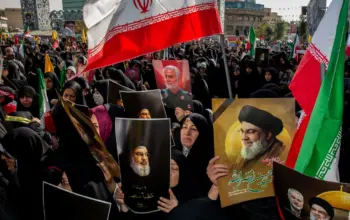
The ongoing US-Israeli war on Iran has escalated significantly since its inception on February 28, 2026, following the assassination of Iranian Supreme Leader Ayatollah Ali Khamenei. As of March 10, 2026, Donald Trump has stated that the conflict will be over “very soon,” despite the heavy toll it has taken on Iranian infrastructure and civilian life.
Since the war began, the US and Israel have reportedly struck approximately 5,000 targets across Iran. This extensive military campaign has led to 1,200 reported deaths and 10,000 injuries among the Iranian populace, raising concerns about the humanitarian impact of the conflict.
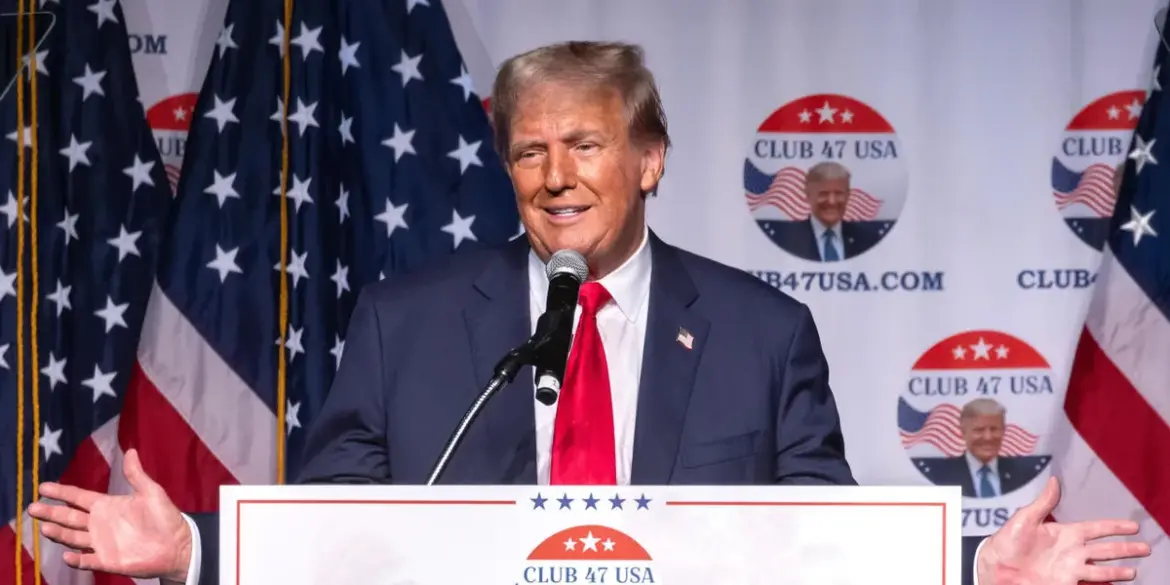
In his remarks, Trump characterized the military actions as a “short-term excursion,” emphasizing the necessity of these operations to eliminate perceived threats. He expressed confidence in the effectiveness of the strikes, claiming that Iran’s missile capability has been reduced to 10 percent or less.
Trump has also issued stern warnings regarding Iran’s actions in the Strait of Hormuz, threatening a larger attack if Iran attempts to obstruct oil supplies. He stated, “I will not allow a terrorist regime to hold the world hostage and attempt to stop the globe’s oil supply.” This statement underscores the geopolitical stakes involved in the conflict, particularly concerning global oil markets.
The Brent crude oil price has surged to $119 per barrel during this period, reflecting the market’s reaction to the ongoing conflict and fears of supply disruptions. The situation remains fluid, with potential ramifications for international relations and energy security.
Details remain unconfirmed regarding the full extent of military and civilian casualties, as well as the long-term implications of the conflict. Observers are closely monitoring developments as the situation evolves.