Background of the Conflict
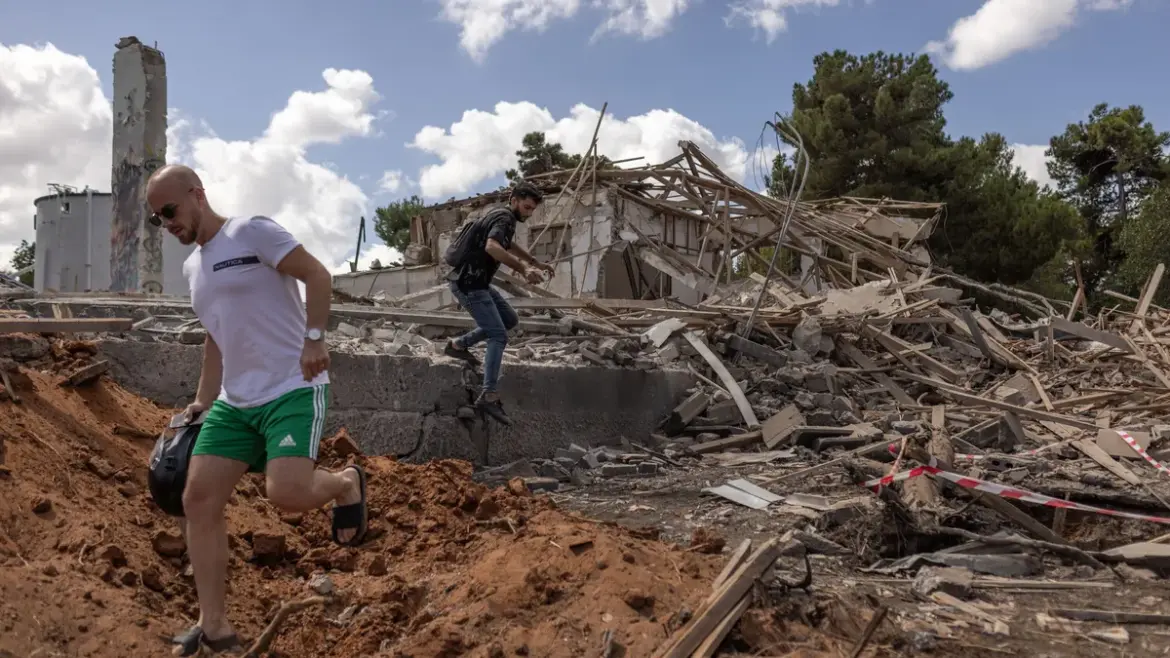
The Israel-Iran conflict escalated on February 28, 2026, when the United States and Israel launched coordinated attacks on Iran. This marked the beginning of a war that has since resulted in significant casualties and geopolitical tensions.
Prior Expectations
Before the recent developments, expectations were grim, with both Iran and the US rejecting ceasefire proposals. Iran’s leadership, including Foreign Minister Abbas Araghchi, emphasized that a unilateral declaration of victory by the US would not suffice to end the conflict. Iran insisted on a permanent deal that would guarantee no further attacks against it.
Decisive Changes
However, a decisive moment occurred recently, leading to a halt in hostilities. Despite Iran’s parliament speaker Mohammed Ghalibaf stating, “We are absolutely NOT seeking a ceasefire,” the dynamics shifted as the US and Israel faced mounting pressures. Reports indicated that Iran had effectively stopped tankers from using the strategically vital Strait of Hormuz, through which 20 percent of the world’s crude oil is transported.
Immediate Effects
The immediate effects of this shift are profound. Since the war began, over 1,230 people have been killed in Iran, with additional casualties reported in Lebanon and Israel. The US has reported 140 service members wounded and seven killed. The conflict has also caused Brent crude oil prices to spike to $120 per barrel before settling at around $90.
Expert Perspectives
Experts have weighed in on the situation, highlighting the complexities involved. Kazem Gharibabadi remarked, “If a ceasefire is to be established or the war stopped there must be a guarantee that aggressive actions against Iran will not be repeated.” This sentiment underscores the uncertainty surrounding any potential resolution.
Continued Tensions
Despite the halt in active conflict, tensions remain high. Iran’s leadership continues to assert its position, with figures like Masoud Pezeshkian stating, “The destroyers have come and gone. Iran remains.” This indicates a resilient stance from Iran, which does not appear willing to back down easily.
Future Considerations
Looking ahead, the conditions under which Iran would agree to a ceasefire remain unclear. The ongoing geopolitical landscape suggests that while the immediate conflict may have paused, the underlying issues are far from resolved. Details remain unconfirmed regarding the future of this conflict and the potential for lasting peace.