What recent rulings from the Patna High Court and Supreme Court mean for property rights in Bihar?
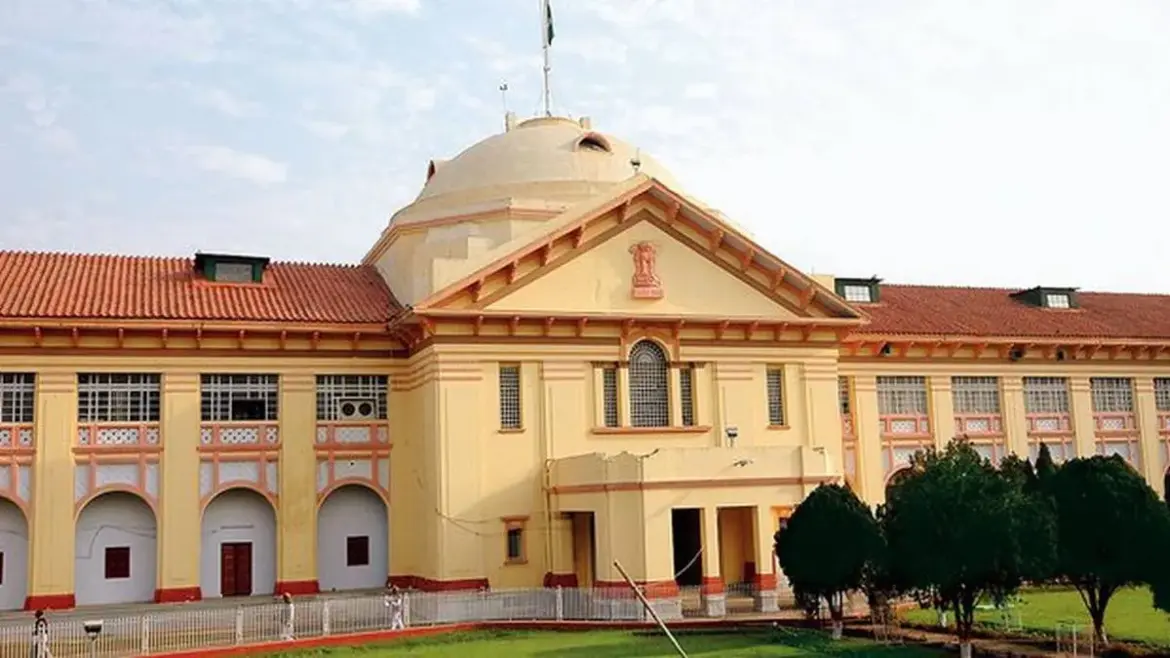
The Patna High Court and the Supreme Court of India have recently issued significant rulings that address pressing issues regarding property rights and cultural heritage in Bihar. The Patna High Court has intervened in a case concerning the eviction of a Mahadalit woman from her settlement in Begusarai district, while the Supreme Court has struck down a controversial law aimed at acquiring a historic library and research institute in Patna.
Patna High Court’s Intervention
On March 10, 2026, the Patna High Court directed the Bihar government to halt the eviction of Saroj Devi, a Mahadalit woman, from her home. This decision came as the court sought clarification from the state regarding the Bihar Land Encroachment Act of 1956. The court’s order emphasized the need for further examination before any eviction could proceed, highlighting the legal complexities surrounding land rights for marginalized communities.
Supreme Court’s Ruling on Library Acquisition
In a separate yet equally impactful ruling, the Supreme Court of India declared a Bihar law aimed at acquiring the Srimati Radhika Sinha Institute and Sachchidananda Sinha Library as manifestly arbitrary and in violation of Article 14 of the Constitution. Established in 1924 by Sachchidanand Sinha in memory of his wife, Radhika Sinha, the library has been a significant cultural and educational institution in the region.
Details of the Controversial Law
The law, enacted in 2015, allowed the state to take over the library for a token compensation of just one rupee. The Supreme Court found this provision to be confiscatory and lacking in fairness, stating, “A statutory provision that enables acquisition of property while reducing compensation to a token amount lacks the basic attributes of fairness.” This ruling restored the management and administration rights of the library to its trustees, reversing the effects of the 2015 Act.
Historical Context of the Library
The Srimati Radhika Sinha Institute and Sachchidananda Sinha Library was established with personal funds from Sachchidanand Sinha, who contributed approximately 50,000 rupees from the sale of ancestral property and donated 10,000 volumes to its collection. The library has served as a vital resource for scholars and the public alike, making the Supreme Court’s ruling a significant victory for cultural preservation.
Implications of the Rulings
The implications of these rulings extend beyond the immediate cases. The Patna High Court’s decision to halt the eviction reflects a growing recognition of the rights of marginalized communities, particularly Mahadalits, in Bihar. Meanwhile, the Supreme Court’s rejection of the arbitrary acquisition of the library underscores the importance of protecting cultural heritage and ensuring fair compensation in property disputes.
What Comes Next?
As these legal battles unfold, the future of both the Mahadalit community’s housing rights and the management of the historic library remains uncertain. The Patna High Court’s request for clarification from the Bihar government indicates that further legal scrutiny is likely. Meanwhile, the Supreme Court’s ruling has set a precedent for how similar cases may be handled in the future, emphasizing the need for fairness and constitutional adherence in property laws.
Details remain unconfirmed regarding the next steps the Bihar government will take in response to the Patna High Court’s ruling, as well as how the library’s management will proceed following the Supreme Court’s decision.