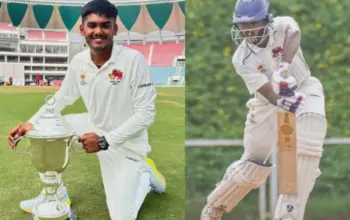
Supreme Court Ruling on Harish Rana
In a landmark decision on March 11, 2026, the Supreme Court of India has allowed the withdrawal of life-sustaining treatment for Harish Rana, who has been in a permanent vegetative state for over 13 years following a fall in 2013.
This ruling marks the first practical implementation of the passive euthanasia guidelines established by the Supreme Court in its 2018 Common Cause judgment. The court clarified that clinically administered nutrition qualifies as a form of medical treatment that can be withdrawn.
Background of the Case
Harish Rana, now 32 years old, was a civil engineering student at Punjab University when his life changed dramatically due to the accident. His parents initially approached the Delhi High Court in July 2024 seeking permission for passive euthanasia, but their request was rejected.
In August 2024, the Supreme Court upheld the High Court’s decision, stating that withdrawing treatment would amount to active euthanasia, which remains illegal in India. However, the court later directed the formation of a Primary Medical Board to assess Rana’s condition in December 2025, followed by a Secondary Medical Board for a final assessment.
Key Findings and Reactions
The Supreme Court emphasized that the key question was whether continuing life-sustaining treatment serves the patient’s best interest. In its ruling, the court noted, “We cannot keep the boy like this for all time to come,” highlighting the ethical considerations surrounding prolonged treatment without therapeutic improvement.
Justice JB Pardiwala remarked, “His family never left his side…to love someone is to care for them even in the darkest times.” The court’s decision allows for the withdrawal of life support to be conducted in a dignified manner.
Furthermore, the Supreme Court recommended that the Union Government bring comprehensive legislation regarding passive euthanasia, reflecting the ongoing discussions in India about the rights of patients in similar situations.
As this case unfolds, it underscores the complexities of medical ethics and the legal landscape surrounding euthanasia in India, a topic that has gained significant attention since the Aruna Shanbaug case led to the 2011 ruling that legalized passive euthanasia.