Recent Developments in LPG Gas Cylinder Pricing
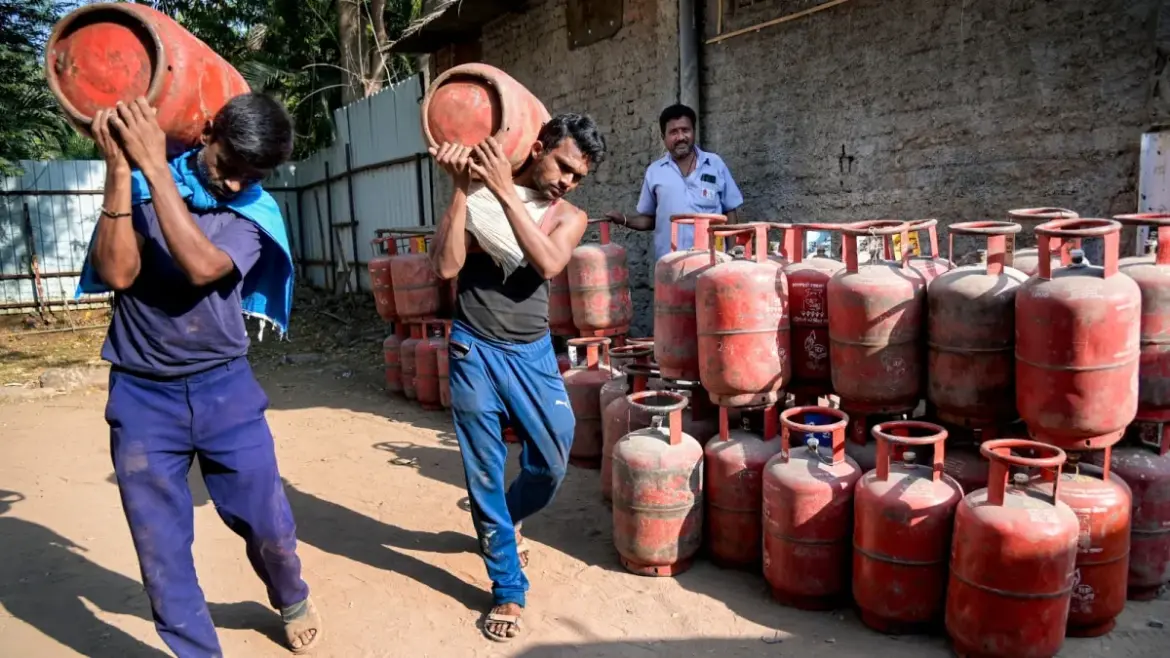
On March 11, 2026, the price of LPG gas cylinders in India experienced significant increases, marking a critical moment for both consumers and businesses reliant on these essential energy sources. The price of a 14.2 kg domestic LPG cylinder rose by ₹60, while the cost of a 19 kg commercial LPG cylinder surged by ₹144. This adjustment reflects ongoing challenges in the supply chain and broader geopolitical factors affecting the energy market.
In major cities across India, the new prices have been established as follows: in New Delhi, a domestic LPG cylinder now costs ₹913, and a commercial cylinder is priced at ₹1,884.50. Kolkata follows closely with domestic cylinders at ₹939 and commercial ones at ₹1,988.50. Mumbai’s prices are slightly lower, with domestic cylinders at ₹912.50 and commercial cylinders at ₹1,836. Meanwhile, Chennai sees domestic cylinders priced at ₹928.50 and commercial cylinders at ₹2,043.50, while Hyderabad reports the highest prices, with domestic cylinders at ₹965 and commercial cylinders at ₹2,105.50.
The price hikes come amid ongoing tensions in the Middle East, which is a crucial region for India’s LPG imports, accounting for approximately 60 percent of the country’s total demand. The geopolitical climate, particularly the Iran-US tensions, has raised concerns about the stability of LPG supplies, further complicating the situation for consumers and businesses alike.
As the price increases take effect, the Bangalore Hotels Association announced that “The supply of gas cylinders for commercial use has been stopped from today,” indicating a significant disruption for the hospitality sector. This has raised alarms among restaurant and hotel owners who depend on a steady supply of commercial LPG for their operations.
In contrast, PN Seth, Executive President of the All India LPG Distributors Federation, reassured the public by stating, “There is no shortage, and supply of commercial and domestic cylinders is continuing as usual.” This conflicting information highlights the uncertainty surrounding the current supply situation, leaving many consumers and businesses in a state of concern.
Details remain unconfirmed regarding the exact duration of the LPG supply shortage and how geopolitical tensions may further impact future LPG prices. As the situation develops, stakeholders in the LPG market are closely monitoring these changes, which could have lasting effects on pricing and availability.
The implications of these price increases are significant, particularly for low-income households that rely on domestic LPG for cooking and heating. The rising costs may force families to seek alternative energy sources, potentially leading to a broader shift in energy consumption patterns across the country. Additionally, the hospitality industry, already recovering from the impacts of the pandemic, may face further challenges in managing operational costs amidst rising LPG prices.
As India navigates these complex challenges in the LPG sector, the focus will remain on ensuring a stable supply and addressing the economic impacts of rising prices on both consumers and businesses. The coming weeks will be crucial in determining how these factors will unfold and what measures may be necessary to stabilize the market.