Background of the Conflict
The escalation in hostilities between the US, Israel, and Iran began on 28 February 2026. This period has seen a marked increase in military actions, with Iran targeting Gulf Cooperation Council (GCC) countries through missile strikes and drone missions. The situation has been further complicated by the ongoing military campaign led by the US and Israel, aimed at degrading Iran’s military capabilities.
Breaking Development
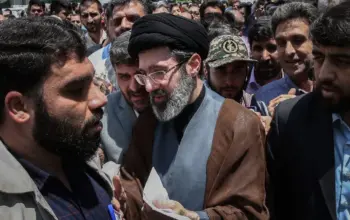
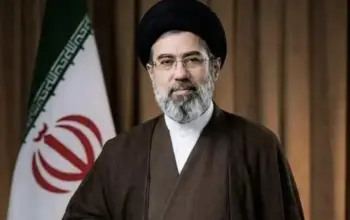
On the opening day of US-led airstrikes against Iran, a significant attack occurred that injured Mojtaba Khamenei, the newly appointed leader of Iran, and resulted in the deaths of six family members, including his father. This attack has raised alarms regarding the stability of Iran’s leadership and the potential for further violence in the region.
Initial statements from various parties have highlighted the severity of the situation. Alireza Salarian, a spokesperson, noted, “He was also there and he was injured in that bombardment but I haven’t seen that reflected in the foreign news.” Meanwhile, Yousef Pezeshkian confirmed the news of Khamenei’s injury, stating, “I heard news that Mr. Mojtaba Khamenei had been injured. I have asked some friends who had connections. They told me that, thank God, he is safe and sound.” This reflects the uncertainty surrounding the leader’s condition and the potential implications for Iran’s governance.
Casualties and Military Strategy
The ongoing conflict has resulted in a significant death toll, with reports indicating that the number of casualties in Iran has reached 1,400. Iran’s military strategy appears to involve second-order coercion against both the US and Israel, indicating a calculated approach to retaliate against perceived aggressions. The FBI has also issued warnings about Iran’s aspirations to conduct a surprise drone attack on California, highlighting the global ramifications of the conflict.
International Concerns
As tensions escalate, international observers are closely monitoring the situation. John Cohen remarked on Iran’s extensive presence in Mexico and South America, stating, “We know Iran has an extensive presence in Mexico and South America, they have relationships, they have the drones and now they have the incentive to conduct attacks.” This underscores the potential for the conflict to extend beyond the immediate region.
What Lies Ahead
Looking forward, the situation remains precarious. The exact timing and method of the alleged drone attack on California are unclear, and the full extent of Mojtaba Khamenei’s injuries is not confirmed. Details remain unconfirmed, leaving room for speculation about the next steps both Iran and its adversaries may take in this volatile environment.
The Israel Iran attack signifies a critical juncture in the ongoing conflict, with significant implications for regional and global stability. As military actions continue and the situation evolves, the international community remains watchful for developments that could further escalate tensions.