Significant Developments Following Leadership Change
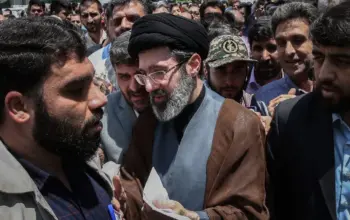
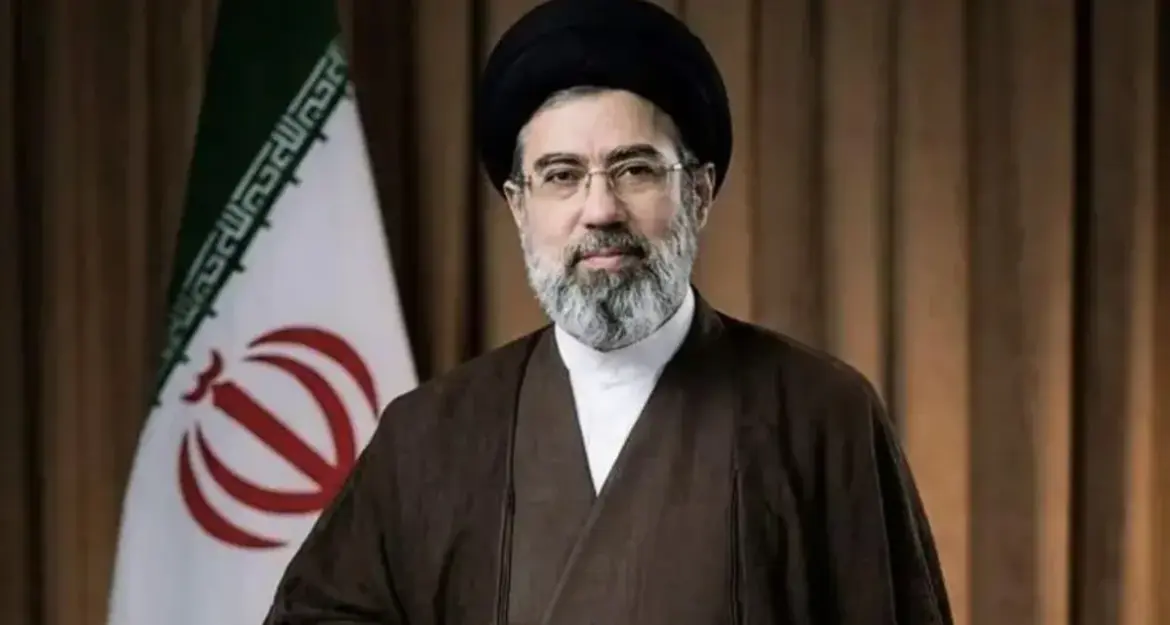
The recent political upheaval in Iran, marked by the appointment of Mojtaba Khamenei as the new Supreme Leader, has significant implications for the North Korea embassy in Iran. North Korea publicly acknowledged this leadership change for the first time, indicating a potential shift in diplomatic relations. The acknowledgment came shortly after the death of Ali Khamenei, Mojtaba’s father, who was killed in an Israeli airstrike on February 28, 2026.
North Korea’s Stance on U.S. and Israeli Actions
In the wake of these events, North Korea condemned the United States and Israel for their intervention in Iran’s internal affairs. A spokesperson from North Korea’s Foreign Ministry stated, “We respect the rights and choice of the Iranian people to elect their supreme leader,” emphasizing their support for Iran’s sovereignty during this crisis. This statement reflects North Korea’s longstanding position of solidarity with Iran against perceived external threats.
Claims of Embassy Destruction
Amidst the escalating tensions, unverified claims circulated on social media suggesting that an Israeli missile had destroyed the North Korean embassy in Tehran. However, there has been no confirmation from credible sources regarding the status of the embassy. As such, details remain unconfirmed. The lack of evidence raises questions about the accuracy of these claims and the potential impact on diplomatic relations.
Support for Iran’s Leadership
North Korea has consistently criticized the U.S. and Israel for their military actions, asserting that such interventions are detrimental to regional peace and security. The Foreign Ministry spokesperson remarked, “The United States and Israel are destroying the regional peace and security foundations and escalating instability worldwide.” This rhetoric aligns with North Korea’s broader foreign policy objectives, which often involve supporting nations that face Western opposition.
Uncertain Future for Diplomatic Relations
The ongoing conflict involving Iran, Israel, and the United States has created intense global tension since late February 2026. As North Korea continues to navigate its diplomatic stance, uncertainties remain regarding its potential military response to the situation. The international community is closely monitoring these developments, particularly in light of North Korea’s historical ties with Iran.
As the situation evolves, the fate of the North Korea embassy in Iran hangs in the balance. The geopolitical landscape is shifting, and the implications of these changes will likely reverberate throughout the region. Observers await further developments to understand the full impact of these events on diplomatic relations and regional stability.