Cylinder Price Trends in India: March 2026
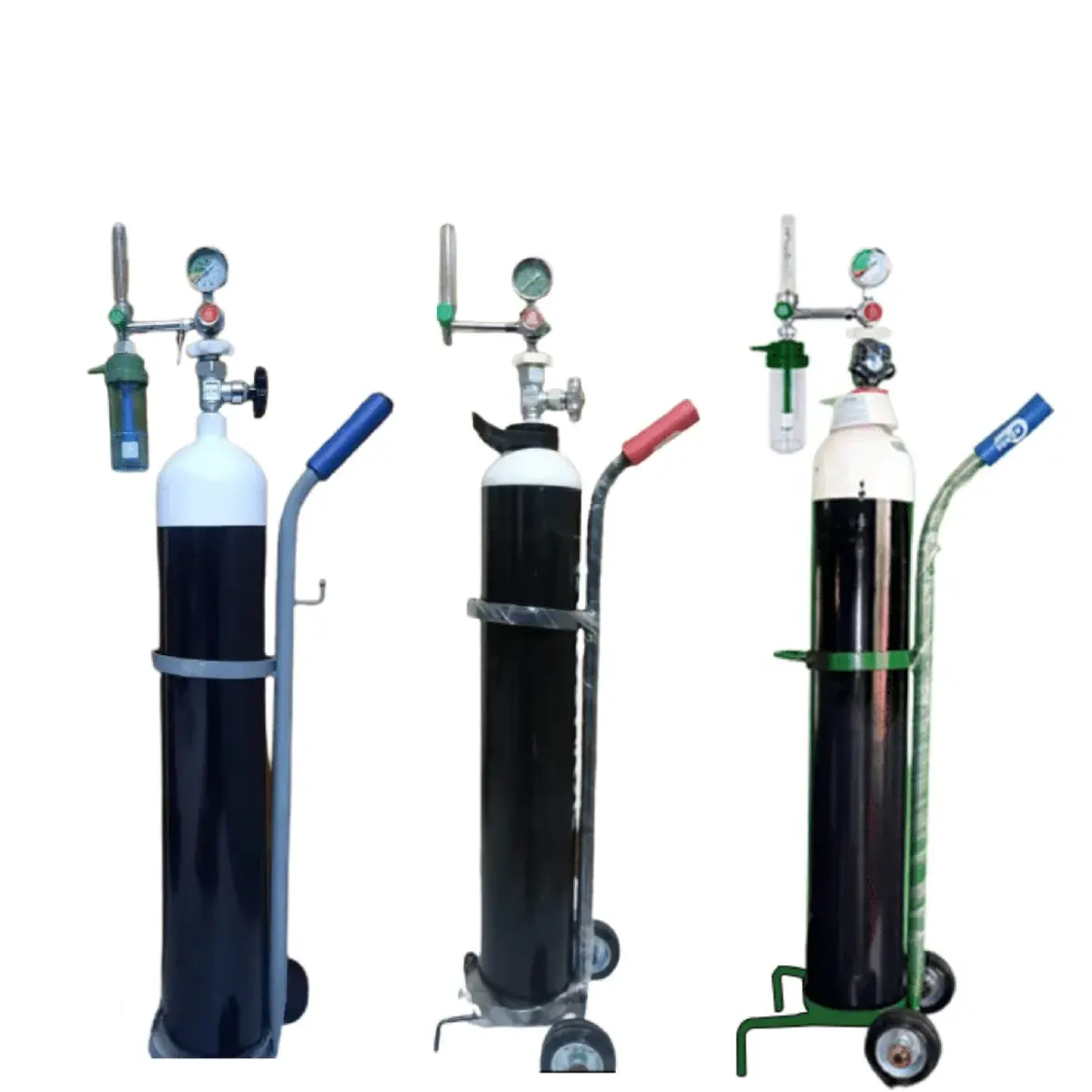
The price of a 14.2 kg domestic LPG cylinder has reached ₹1,002.50 in Patna, marking a significant increase in the cost of cooking gas across India. In New Delhi, the price stands at ₹913.00, while in Mumbai, it is slightly lower at ₹912.50. Other major cities also reflect varying prices, with Kolkata at ₹939.00, Chennai at ₹928.50, and Bengaluru at ₹915.50.
In addition to domestic LPG prices, commercial gas prices are also notable. The cost of a 19 kg commercial LPG cylinder in New Delhi is ₹1,884.50, whereas in Kolkata, it has risen to ₹1,988.50. These figures illustrate the broader trend of increasing energy costs that consumers are currently facing.
India relies heavily on imports to meet its cooking gas needs, with nearly 60% of its total LPG demand sourced from overseas. This dependency on foreign supply chains has made the country vulnerable to fluctuations in global oil prices and geopolitical tensions, which could further impact cylinder prices in the future.
As the prices vary significantly from city to city, consumers are feeling the pinch. For instance, Hyderabad has the highest domestic LPG price at ₹965.00, while Noida offers the lowest at ₹910.50. The disparity in pricing across regions raises questions about the underlying factors influencing these costs.
Details remain unconfirmed regarding the exact impact of geopolitical tensions on future LPG prices. Observers are closely monitoring the situation, as the duration of the current LPG supply shortage remains uncertain. This uncertainty adds to the challenges faced by consumers and businesses alike.
As the government continues to navigate these challenges, it remains to be seen how pricing strategies will evolve in response to both domestic and international pressures. The current trends suggest that consumers may need to brace for continued fluctuations in cylinder prices.
In summary, the cylinder price landscape in India is marked by significant regional variations and a reliance on imports that complicates the situation. With ongoing geopolitical concerns and supply chain issues, the future of LPG pricing remains a critical area for both consumers and policymakers.