Ongoing Conflict
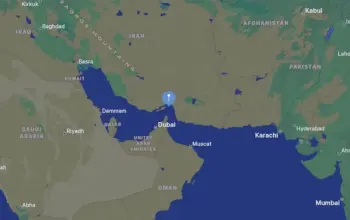
The war between Iran and the United States has been ongoing for 13 days, with Iran continuing its attacks throughout the Middle East. The conflict has escalated significantly, particularly with the closure of the Strait of Hormuz, which has caused oil prices to soar.
Russia and Pakistan’s Mediation Efforts
In response to the escalating tensions, both Russia and Pakistan are attempting to mediate with Iran. This involvement highlights the international dimensions of the conflict, as global powers seek to stabilize the region and mitigate the impact on oil markets.
Conditions for Peace
Iran’s President Masoud Pezeshkian has outlined three conditions that he claims are essential for ending the war. He stated, “The only way to end this war—ignited by the Zionist regime & US—is recognizing Iran’s legitimate rights, payment of reparations, and firm int’l guarantees against future aggression.”
Commitment to Regional Peace
Pezeshkian reaffirmed Iran’s commitment to regional peace, indicating a willingness to engage in dialogue under the right conditions. His statements reflect a broader desire within Iran to assert its position and rights in the face of external pressures.
Global Repercussions
The conflict has global repercussions due to rising oil prices, which have been affected by the closure of key shipping routes. Observers are closely monitoring the situation, as any prolonged conflict could have lasting impacts on the global economy.
Future Developments
As the situation unfolds, the involvement of Russia and Pakistan may play a crucial role in shaping the future of the conflict. However, details remain unconfirmed regarding the effectiveness of their mediation efforts and whether Iran will agree to the proposed conditions for peace.