Political Context Before the Uprising
Before the upheaval in 2024, Bangladesh was under the governance of Sheikh Hasina and her Awami League party, which had maintained power for over a decade. The political climate was characterized by a lack of opposition representation, with Parliament often viewed as dysfunctional and dominated by the ruling party.
Decisive Changes in 2024
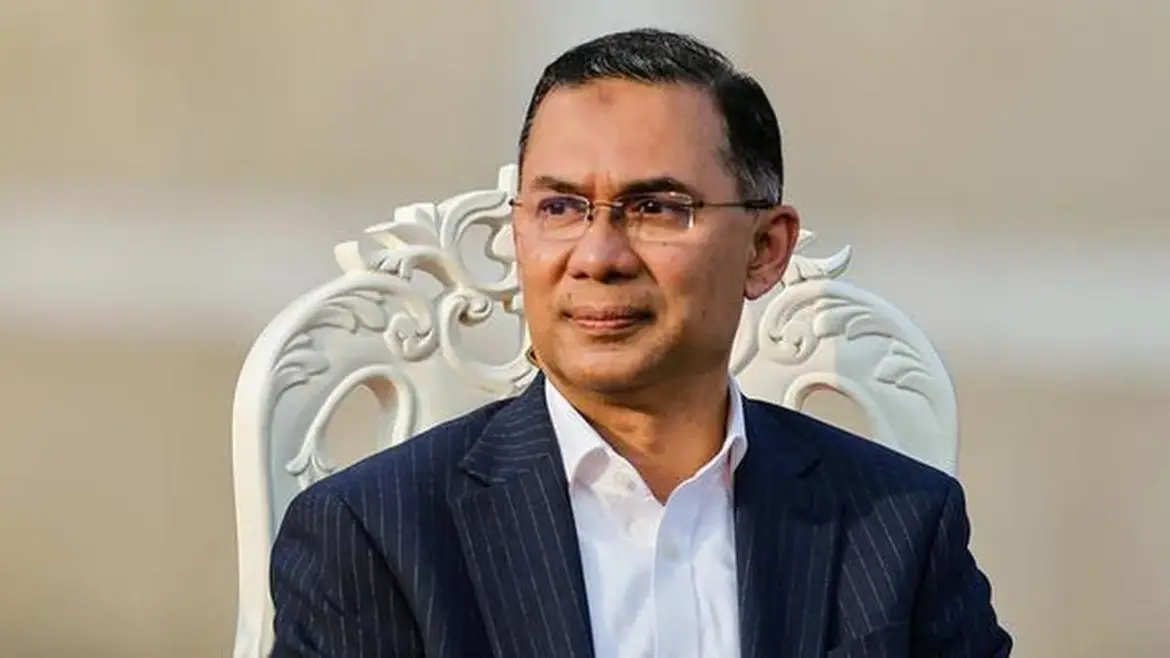
The deadly uprising in 2024 marked a turning point, with approximately 1,400 people killed and over 20,000 injured. This unrest led to significant political changes, culminating in the convening of Bangladesh’s Parliament for the first time since the violence. The Bangladesh Nationalist Party (BNP), led by Tarique Rahman, emerged as a major player, securing 212 seats in the 350-seat Parliament, with the BNP itself winning 209 seats.
Immediate Effects on Governance
The immediate aftermath of the uprising has seen a shift in power dynamics. The BNP-led alliance now holds a substantial majority, while the Jamaat-e-Islami-led alliance, which includes Shafiqur Rahman as the leader of the opposition, holds 76 seats. This change has reinvigorated parliamentary activities, which Tarique Rahman emphasized as a return to governance by elected representatives.
Expert Perspectives on the Shift
Experts note that the uprising and subsequent political changes reflect deep-seated frustrations among the populace. Tarique Rahman remarked, “After more than a decade and a half of fascist and subservient rule, the activities of Parliament are beginning today with representatives elected by the people.” This sentiment underscores a desire for a more democratic and accountable governance structure.
Future Implications
As Bangladesh navigates this new political landscape, the focus will be on restoring functionality to Parliament and addressing the pressing issues facing the nation, including an ongoing energy crisis that has led to university closures and fuel rationing. Rahman has expressed a commitment to making Parliament the center of national debates aimed at resolving these challenges.
The shift in governance and the return of parliamentary activities signal a potential turning point for Bangladesh, as the new leaders aim to build a prosperous and democratic country. However, the legacy of the recent violence and the challenges ahead remain significant.