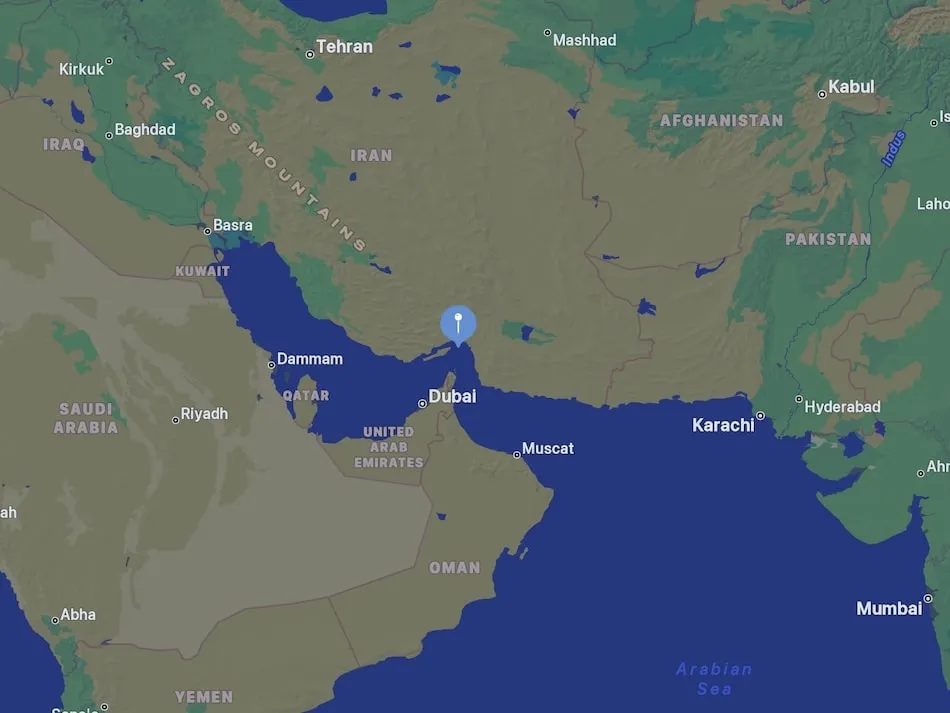
Background on the Strait of Hormuz
The Strait of Hormuz is considered one of the most important maritime chokepoints in the global energy system. Over 20 million barrels of crude oil pass through this narrow passage daily, making it a vital route for oil trade. Approximately 40% of India’s crude imports transit this strait, underscoring its significance to the Indian economy and energy security.
Recent Developments
On March 12, 2026, reports emerged that Iran would allow Indian-flagged oil tankers to transit the Strait of Hormuz, according to an Indian government source. This announcement comes amidst heightened tensions in the region, particularly following a series of attacks on commercial vessels. Since the conflict began in late February, Iran has attacked at least 16 ships transiting the strait, raising concerns about maritime safety.
However, an Iranian source has denied that any formal agreement had been reached regarding the passage of Indian tankers, leaving the situation ambiguous. The Indian foreign ministry expressed its concern, stating, “India deplores the fact that commercial shipping is being made a target of military attacks in the ongoing conflict.” This statement reflects the apprehension surrounding the safety of vessels operating in the region.
Significance of Recent Ship Movements
In a notable development, the Suezmax tanker Shenlong, carrying 135,335 metric tonnes of Saudi crude, successfully arrived at port in Mumbai after transiting the Strait of Hormuz. This marks the first crude carrier to reach India from the Middle East since the conflict escalated, highlighting the precarious nature of maritime operations in the area. The crude discharge process for the Shenlong tanker is expected to take around 36 hours.
Current Operations and Safety Concerns
Currently, 28 Indian-flagged vessels are operating on both sides of the Strait of Hormuz, carrying a total of 778 Indian sailors. The safety of these vessels remains a primary concern, especially in light of the recent attacks. Alireza Tangsiri, an Iranian military official, stated, “Any vessel intending to pass must obtain permission from Iran,” emphasizing the need for clear communication regarding maritime safety.
Humanitarian Aspects
In a gesture of goodwill, India has provided safe harbor to 183 Iranian sailors whose vessel docked after the conflict erupted. This development indicates a complex interplay of humanitarian considerations amidst geopolitical tensions. Observers are keenly watching how these interactions may influence broader relations between India and Iran.
Looking Ahead
As the situation unfolds, the exact nature of the agreement between India and Iran regarding the safe passage of Indian vessels remains unclear. Details remain unconfirmed, and it is uncertain how directives are being communicated within Iran’s administrative and military structure. The international community is closely monitoring these developments, as they could have significant implications for maritime security and energy trade in the region.