Before the recent remarks by Donald Trump, the historical significance of the Pearl Harbor attack on December 7, 1941, was primarily viewed through the lens of its devastating impact on the United States, where more than 2,400 Americans lost their lives. This event marked a pivotal moment that propelled the US into World War II, altering the course of global history.
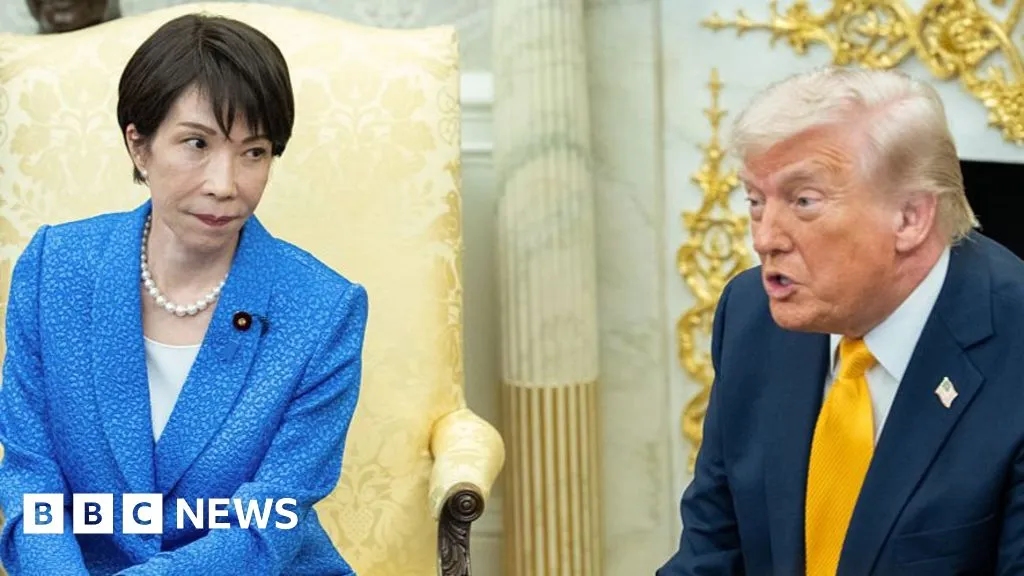
However, during a meeting with Japan’s first female prime minister, Sanae Takaichi, Trump made a controversial comparison, stating, “Why didn’t you tell me about Pearl Harbor?” and adding, “Who knows better about surprise than Japan?” This comment was made in response to questions regarding US military strikes on Iran, specifically those that occurred on February 28. Trump’s remarks drew immediate attention, as they juxtaposed a historical event with contemporary military strategy.
The immediate effect of Trump’s comments was a viral reaction on social media, particularly regarding Takaichi’s response. While Trump praised her command of English, the juxtaposition of a historical tragedy with current geopolitical tensions raised eyebrows. The comparison was not merely a rhetorical flourish; it suggested a deeper reflection on the nature of surprise attacks and military preparedness.
Experts have noted that such comparisons can be polarizing. The Pearl Harbor attack is a symbol of American vulnerability, while the current situation with Iran involves complex international relations and military strategy. Trump’s remarks could be seen as trivializing the historical significance of Pearl Harbor, which led to a massive military mobilization and a shift in public sentiment towards war.
In light of these developments, the historical context of Pearl Harbor serves as a reminder of the consequences of underestimating an adversary. The attack on Pearl Harbor was not just a military strike; it was a wake-up call that transformed American foreign policy. Similarly, the current tensions with Iran require careful navigation to avoid miscalculations that could lead to unintended escalations.
As the political discourse continues, Trump’s comments serve as a reminder of the delicate balance between historical memory and contemporary military action. The implications of his words resonate beyond the immediate context, inviting reflection on how history shapes current geopolitical landscapes.
Details remain unconfirmed regarding the broader implications of Trump’s comparison, but the conversation it has sparked is indicative of ongoing tensions in US-Iran relations. The historical lens through which we view these events can influence public perception and policy decisions.