The wider picture
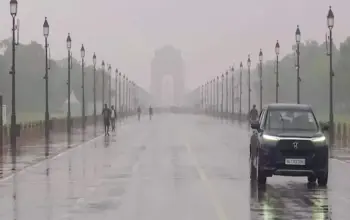
The rainfall expected in Delhi is part of a western disturbance system, which is typical for this time of year in northern India. This weather phenomenon often brings significant changes in temperature and precipitation patterns, providing a much-needed respite from the heat that usually characterizes late March. As the capital experiences a surge in daytime temperatures, reaching around 33°C, the impending rain is anticipated to offer temporary relief.
On March 18, 2026, the India Meteorological Department (IMD) forecasts rain accompanied by thunderstorms and gusty winds, prompting officials to issue a yellow alert for the city. This alert, which remains in effect until March 20, warns residents of potential weather disruptions, urging them to exercise caution while commuting or planning outdoor activities. “The yellow alert indicates potential weather disturbances over the next three days,” an IMD spokesperson stated.
The weather changes are expected to significantly lower daytime temperatures. On March 19, the maximum temperature is projected to drop to 29°C, with nighttime lows around 19°C. By March 20, the maximum temperature is likely to decrease further to 27°C, while minimum temperatures could reach 17°C. This shift marks a notable change from the preceding days, where the heat was becoming increasingly oppressive.
Historical data reveals that March 19 recorded an average precipitation of 9.4 mm, making it the wettest March since 2023. Additionally, the maximum temperature on that day was recorded at 26.8 degrees Celsius, the lowest so far this month. Such fluctuations in weather patterns are not uncommon in Delhi, especially during this transitional period between winter and summer.
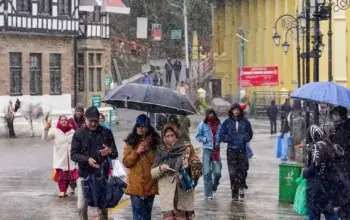
Moreover, the rainfall has had a positive impact on air quality, with the Air Quality Index (AQI) improving to 137, placing it in the ‘moderate’ category. This improvement is a welcome change for residents who have been grappling with pollution levels that often spike during the warmer months. Mahesh Palawat, a meteorologist, noted, “The Western disturbance is currently positioned over North Pakistan and adjoining Jammu and Kashmir, which is why the western Himalayan regions are witnessing heavy rainfall.”
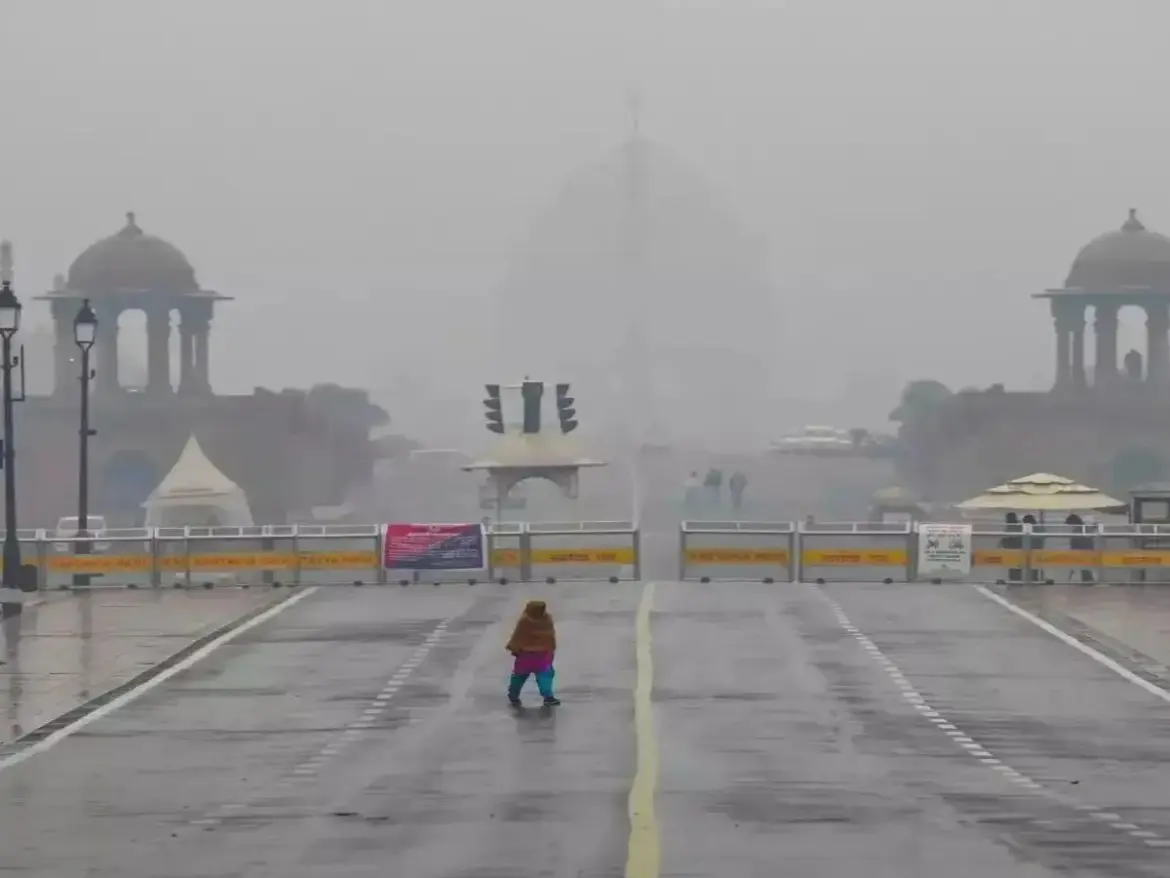
Interestingly, the weather has also led to unusual conditions in the city. Fog was reported due to a mix of rain-soaked air and overnight cooling, resulting in minimum temperatures dropping sharply to 13 degrees Celsius. This has created an unusual overlap of winter-like mornings and pre-summer afternoons, a phenomenon that has caught the attention of both residents and meteorologists alike.
Looking ahead, the IMD predicts that another spell of rain could hit the capital early next week, suggesting that the current weather changes may not be a one-off event. As temperatures in Delhi are currently running below what is typical for late March, residents are advised to stay updated on weather forecasts and prepare for further fluctuations in weather conditions.
As the city navigates these changes, observers are keenly watching how the weather will evolve in the coming days. The combination of rain, cooler temperatures, and improved air quality offers a glimmer of hope for a more comfortable environment in the bustling capital. However, the unpredictability of weather patterns continues to pose challenges for residents and officials alike.