Reaction from the field
The worship of Maa Skandamata, celebrated on March 23, 2026, during the fifth day of Navratri, has profound implications for devotees seeking stability and prosperity in their lives. As the fifth form of Maa Durga, she embodies nurturing qualities that resonate deeply with those who turn to her for guidance and support. The rituals associated with her worship are designed not only to honor her but also to foster emotional balance and family well-being, making her a central figure in the spiritual lives of many.
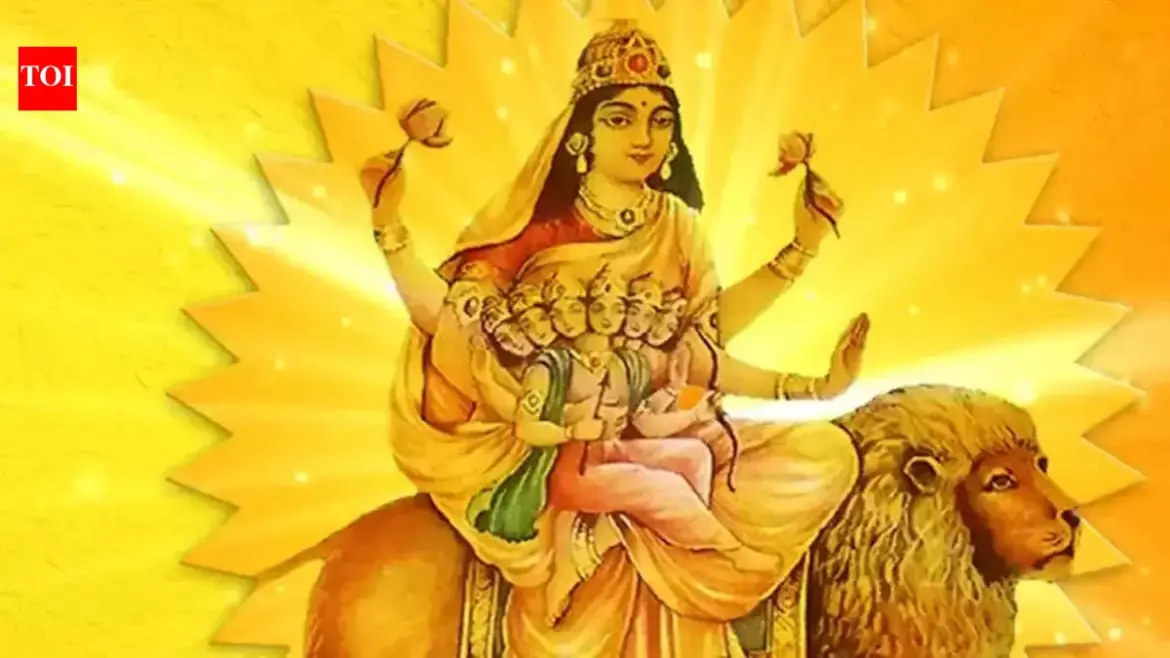
Maa Skandamata is depicted holding her son, Lord Kartikeya, also known as Skanda, in her lap while riding a lion. This imagery symbolizes protective strength and motherhood, qualities that devotees cherish and seek in their own lives. The color yellow, associated with this day of Navratri, further enhances the positive energy surrounding her worship, encouraging devotees to wear this color as a sign of reverence.
On this auspicious day, offerings such as bananas, cardamom, and cloves are made to Maa Skandamata, reflecting the traditional practices that have been passed down through generations. The number of cardamom and cloves offered is typically two, symbolizing harmony and balance. Devotees are encouraged to spend five to ten minutes in gratitude meditation, fostering a deeper connection with the divine and enhancing their spiritual experience.
The significance of Maa Skandamata extends beyond mere rituals; she represents a source of nurturing power and blessings that many believe can bring stability in both personal and professional realms. As Prime Minister Shri Narendra Modi eloquently stated, “देवी स्कन्दमाता की करबद्ध प्रार्थना! मेरी कामना है कि अपने ममतामयी स्नेह और आशीर्वाद से वे सबका जीवन आलोकित करें।” (Translation: “Praying to Devi Skandamata! I hope that with her affectionate love and blessings, she illuminates everyone’s life.”). This sentiment encapsulates the hope and faith that devotees place in her divine presence.
Furthermore, Maa Skandamata is associated with the Vishuddha (throat) chakra, which governs communication and expression. This connection highlights the importance of emotional balance and the ability to articulate one’s feelings, further emphasizing her role as a nurturing figure. The rituals performed on this day are not only acts of devotion but also a means to achieve emotional stability and familial harmony.
As the date for Navratri Day 5 approaches, many are preparing to engage in the rituals that honor Maa Skandamata. The anticipation surrounding this day reflects a broader cultural reverence for the goddess and her nurturing qualities. However, details remain unconfirmed about the specific events and gatherings planned for this year, as communities adapt to changing circumstances.
In summary, the worship of Maa Skandamata on March 23, 2026, serves as a reminder of the nurturing and protective qualities that many seek in their lives. As devotees come together to celebrate, they not only honor the goddess but also reinforce the values of care, stability, and emotional balance that she represents. The impact of her blessings is felt widely, as individuals and families look to her for guidance and support in their daily lives.