Who is involved
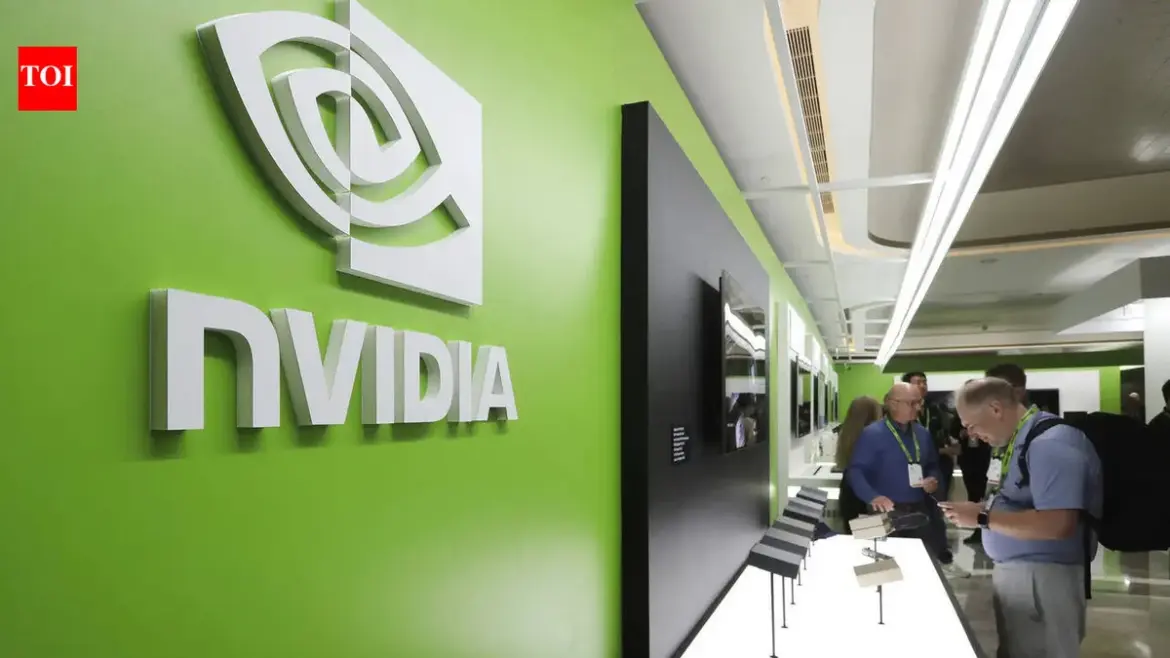
Before the recent developments, Nvidia was seen as a leading technology company with a strong presence in Israel, having steadily expanded its operations since acquiring Mellanox in 2019 for $6.9 billion. The acquisition transformed Nvidia’s Yokneam headquarters into its primary Israeli hub, where it has employed thousands of workers. At the time of the CES conference, Nvidia had reported around 5,000 employees in Israel, a number that has since grown to 6,000, including their families. The expectation was that Nvidia would continue to thrive in this environment, contributing to the local economy and technological landscape.
However, the situation changed dramatically with the escalation of the US-Israel war, prompting Nvidia CEO Jensen Huang to send a personal message to employees in Israel during the Nvidia GTC conference. Huang expressed deep concern for the safety of his employees, stating, “We have thousands of families in Israel. I’m very worried about all of you. Keep yourself safe. We are behind you, we are supporting you, and we look forward to seeing you.” This decisive moment highlighted the human impact of the conflict on Nvidia’s workforce and underscored the company’s commitment to its employees in challenging times.
The direct effects of Huang’s message were significant. His acknowledgment of the situation not only reassured employees but also reinforced Nvidia’s commitment to its Israeli operations. Huang praised the dedication of Israeli employees, noting, “Our team in Israel is incredible,” and emphasized that Israel is home to some of the world’s most brilliant technologists, making it Nvidia’s second home. Furthermore, Nvidia announced plans to build a new campus in Kiryat Tivon, expected to employ up to 10,000 workers, showcasing the company’s long-term investment in the region despite the ongoing conflict.
Experts in the tech industry have noted that Huang’s statements reflect a broader trend of multinational companies reassessing their operations in conflict zones. The commitment to expand in Israel, even amidst turmoil, suggests a belief in the resilience of the local workforce and the potential for technological innovation to thrive. Huang’s vision extends beyond immediate concerns, as he also discussed advancements in artificial intelligence (AI) and the concept of artificial general intelligence (AGI). He stated, “I think it’s now. I think we’ve achieved AGI,” indicating a bold claim about the state of AI technology.
Huang’s expectations for AI are ambitious; he believes that the technology will clear the bar for AGI within the next five years. This assertion, made during a conversation with Lex Fridman, places Nvidia at the forefront of AI development and positions the company as a key player in the future of technology. However, the timeline for achieving AGI remains uncertain, and details about the practical implications of this claim are still unfolding.
As Nvidia navigates the complexities of operating in Israel during a time of conflict, the company’s strategic decisions will likely be scrutinized. The planned visit by Huang to Israel in 2026, while a sign of commitment, is now clouded by uncertainties surrounding the ongoing situation. Details remain unconfirmed regarding whether this visit will take place, reflecting the unpredictable nature of geopolitical events.
In summary, Jensen Huang’s recent messages and plans regarding Nvidia’s operations in Israel reveal a deep commitment to the safety and well-being of employees while also signaling the company’s ambitious goals in the field of AI. As Nvidia continues to expand its presence in Israel, the interplay between technology and human resilience will be a critical narrative to watch in the coming years.