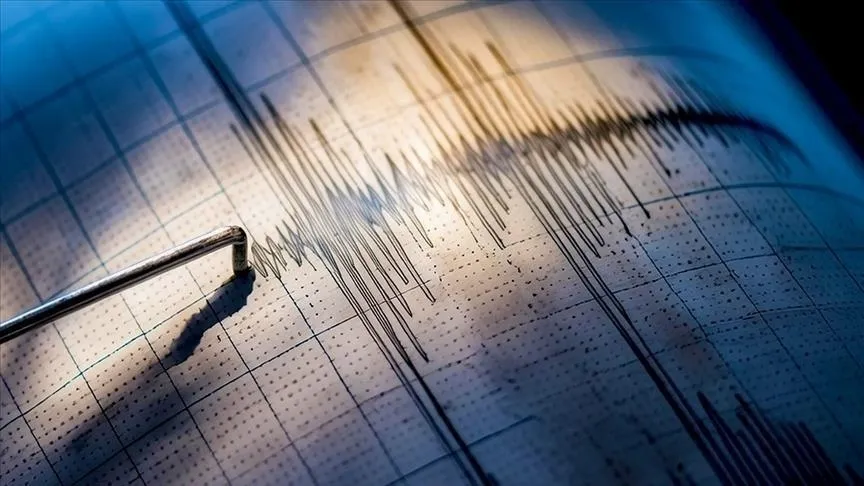
Prior to the recent seismic activity, the South Shetland Islands were known for their geological instability, with earthquakes being a common occurrence. However, the magnitude 6.7 earthquake that struck the region has raised immediate concerns about potential tsunami threats, especially given the area’s history of seismic events.
The decisive moment came when the earthquake occurred at a depth of 10 km (6.21 miles). This significant tremor prompted the US Tsunami Warning System to issue an update, stating unequivocally that no tsunami is expected for the US Atlantic, Gulf, or Pacific coasts. This information was crucial in alleviating fears of widespread oceanic disturbances.
In the aftermath of the earthquake, there were no immediate reports of damage or casualties, which is a relief for the residents and authorities monitoring the situation. The lack of tsunami warnings for the US coasts further underscores the localized nature of the earthquake’s impact.
On March 18, 2026, the earthquake in the South Shetland Islands was part of a broader pattern of moderate seismic activity worldwide. Notably, a 4.2 magnitude earthquake occurred in Indonesia, a 4.5 magnitude quake hit Andalusia, Spain, and Japan experienced a 4.3 magnitude tremor near the Izu Islands. Despite these events, none resulted in tsunami warnings, highlighting the relative safety of the global seismic situation.
Experts note that the moderate strength and depth of these earthquakes, including the one in Antarctica, made them unlikely to create ocean-wide disturbances. Authorities continue to monitor seismic conditions closely to ensure public safety and preparedness.
The South Shetland Islands, being a seismically active region, will remain under scrutiny as scientists and emergency management agencies assess the potential for future seismic events. The recent earthquake serves as a reminder of the unpredictable nature of geological activity.
As the situation develops, officials emphasize the importance of preparedness and public awareness regarding tsunami risks, especially in coastal regions. The absence of immediate threats following the recent earthquake is a positive outcome, but vigilance remains essential.
Details remain unconfirmed regarding any long-term effects of this earthquake on the region’s geological stability. However, the current assessments indicate a low risk of tsunami generation, allowing communities to breathe a sigh of relief.