Introduction
The ancient region of Persia, known today as Iran, has played a crucial role in the development of human civilization. Renowned for its rich cultural heritage, remarkable achievements in various fields, and influential empires, Persia’s significance extends far beyond its geographical boundaries. This article delves into the historical importance of Persia, shedding light on its contributions to art, science, and governance that continue to impact societies worldwide.
A Glimpse Into Persian History
Persia’s history stretches back over 2,500 years, beginning with the rise of the Achaemenid Empire in the 6th century BC, founded by Cyrus the Great. This empire is notable for its expansion across three continents, including Asia, Europe, and Africa, marking the first time that such a vast empire was established. The Achaemenids are also celebrated for their innovative governance techniques, including road systems and postal services, which facilitated communication and trade.
The Cultural Legacy
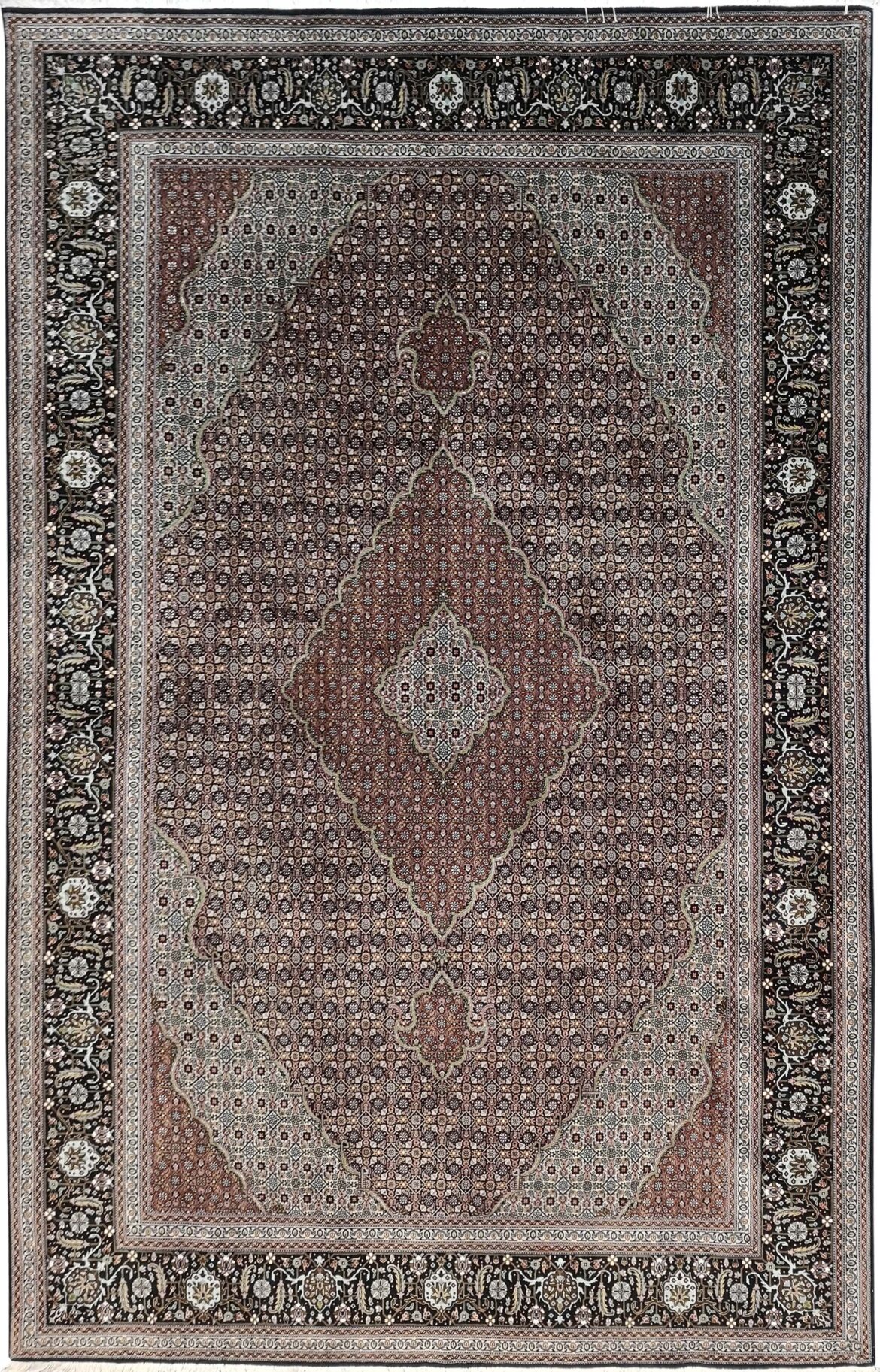
Persia’s cultural contributions are profound, particularly in literature, philosophy, and the arts. The Persian language and poetry, often personified by the works of renowned poets such as Rumi and Hafez, have influenced literary traditions across the globe. Persian miniatures, intricate carpets, and exquisite architecture—including the iconic Persepolis—highlight the aesthetic sensibility that characterises Persian art.
Scientific Advancements
In the realm of science, Persian scholars made significant strides in fields such as mathematics, astronomy, and medicine during the Islamic Golden Age, which began in the 8th century AD. Figures like Omar Khayyam and Avicenna (Ibn Sina) emerged as leading intellects whose works in algebra and medicine have left lasting legacies. Their contributions to scientific exploration were critical in preserving and advancing knowledge through translations and original treaties.
Contemporary Relevance
Today, the legacy of Persia is evident not only in modern Iran but also in the cultural connections that continue to bind various civilisations. The resurgence of interest in Persian heritage is reflected in academic studies, cultural exchanges, and tourism, showcasing the nation’s rich history. In a world increasingly focused on inclusivity and cultural heritage, Persia serves as a vital example of the strength that diversity can bring to society.
Conclusion
The historical significance of Persia is undeniable. From its early empires to its vast cultural influences, the impact of Persia resonates throughout history and into contemporary times. As global citizens, recognising and appreciating the complexity of civilizations like Persia can foster greater understanding and respect for cultural diversity, emphasizing the importance of preserving such rich legacies for future generations.