The wider picture
Concerns about LPG supply arose amid geopolitical tensions affecting global energy supply chains. These tensions have led to increased scrutiny of fuel availability and pricing, particularly for essential commodities like liquefied petroleum gas (LPG). As households and businesses alike rely on LPG for cooking and heating, any disruption in supply can have significant repercussions on daily life and the economy.
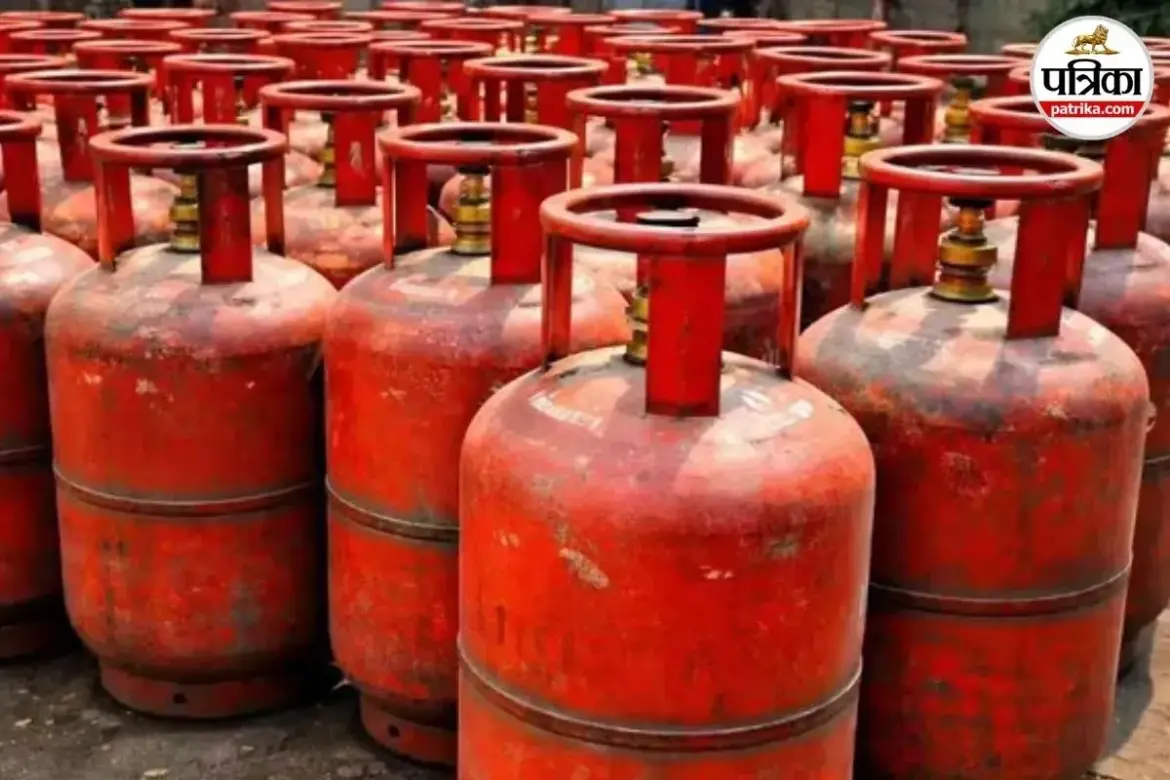
In light of these concerns, recent discussions have emerged regarding the rules governing LPG gas cylinder bookings. However, the Ministry of Petroleum and Natural Gas has stepped in to clarify that there have been no changes to the existing LPG booking rules. This announcement comes amidst a flurry of reports suggesting that new timelines for booking LPG cylinders were being implemented.
According to the Ministry, consumers with two LPG cylinders can continue to book a gas cylinder after 35 days, while those enrolled in the Ujjwala Yojana are permitted to book a cylinder after 45 days. For households using a 10 kg composite domestic cylinder, bookings will be accepted after 18 days. These timelines remain unchanged, ensuring that consumers can plan their usage without unexpected alterations.
Furthermore, the Ministry emphasized that existing LPG refill booking timelines remain unchanged and continue to function under the current time limit. Reports claiming changes in LPG refill booking timelines are incorrect, as reiterated by the Indian Oil Corporation. This clarification is crucial for consumers who may have been misled by the circulating misinformation.
For single-cylinder households, the booking rules specify a 25-day interval for urban areas and a 45-day interval for rural areas. These distinctions are vital, as they reflect the varying needs and access to LPG across different demographics. The rules are designed to ensure that all consumers, regardless of their location, have equitable access to LPG supplies.
In addition to the established timelines, consumers have multiple avenues for booking their LPG cylinders. They can utilize phone calls, SMS, or WhatsApp to place their orders, making the process more accessible and convenient. This flexibility is particularly important in a time when digital communication is increasingly favored.
As the situation evolves, observers are keenly watching how these rules will be enforced and whether any future adjustments might be necessary in response to ongoing global energy challenges. For now, the Ministry’s assurance provides a sense of stability for consumers navigating the complexities of LPG supply and demand.
In summary, while the geopolitical landscape continues to pose challenges for energy supplies, the current LPG gas cylinder booking rules remain intact. Consumers can rely on the established timelines and booking methods, ensuring that their access to this essential resource is maintained without disruption.