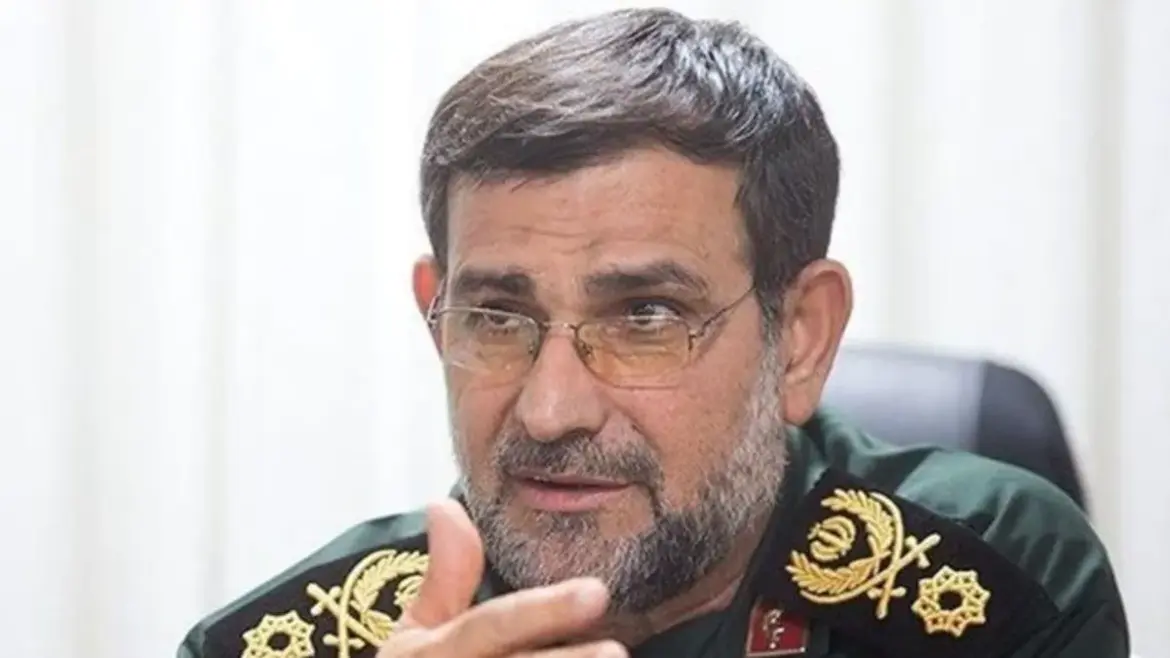
Before the recent developments, Alireza Tangsiri was a pivotal figure in Iran’s naval strategy, having led the Islamic Revolutionary Guard Corps (IRGC) Navy since August 2018. His tenure was marked by an aggressive posture in the Gulf, including threats to close the strategically vital Strait of Hormuz, through which one-fifth of global oil and gas trade passes. Tangsiri had directed numerous operations against oil tankers and commercial vessels, employing drones and maritime mines, which contributed to rising tensions in the region.
However, the landscape shifted dramatically on March 26, 2026, when Tangsiri was killed in an Israeli strike in Bandar Abbas at 3 a.m. local time. This decisive moment not only eliminated a key military leader but also signaled a significant escalation in the ongoing conflict across West Asia. Israeli officials noted that Tangsiri had been “responsible for the closure” of the Strait, underscoring the strategic implications of his death.
The immediate aftermath of Tangsiri’s killing has profound implications for both Iran and its adversaries. Tangsiri had previously threatened retaliation against U.S. facilities in the region, stating, “Our list of targets is updated. Oil facilities associated with America are now on par with American bases and will come under fire with full force.” This aggressive rhetoric indicates that Iran may respond with heightened military actions, further destabilizing the region.
Experts suggest that Tangsiri’s death could embolden Israeli and U.S. forces, as highlighted by Israeli Prime Minister Benjamin Netanyahu’s assertion: “We continue to strike the targets of the Iranian terror regime with force.” This reflects a broader strategy to counter Iranian influence in the Gulf and may lead to increased military operations.
Moreover, Israel Katz, an Israeli official, emphasized the significance of this event for U.S. partners, noting it could facilitate the reopening of the Strait of Hormuz. The strategic importance of this waterway cannot be overstated, as it remains a critical artery for global oil shipments.
Details remain unconfirmed regarding the exact circumstances surrounding Tangsiri’s death, and the broader impact on the ongoing conflict remains unclear. Nonetheless, his killing represents a pivotal moment in the regional power dynamics, with potential repercussions for both Iranian military strategy and international maritime security.
As the situation unfolds, the international community watches closely, aware that the balance of power in the Gulf may have shifted irreversibly with the loss of a key military figure like Tangsiri.