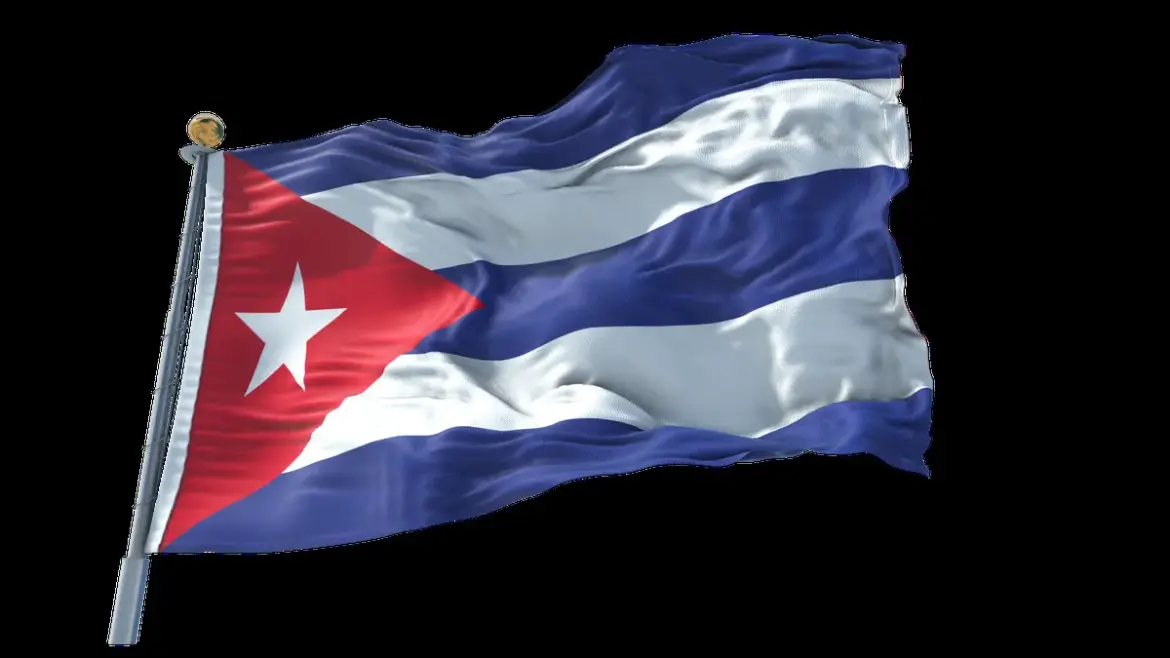
Cuba is currently facing a profound humanitarian crisis, primarily driven by an oil blockade imposed by the United States. This blockade has resulted in a staggering three months without fuel shipments, leading to widespread energy shortages and nationwide blackouts. The situation has escalated to the point where the United Nations has issued warnings regarding the dire humanitarian implications if the crisis continues to spiral.
Cuban President Miguel Diaz-Canel has acknowledged the severity of the situation, stating that the talks between Cuba and the United States are still in their early stages. He emphasized the need for dialogue, saying, “First, we must build a channel for dialogue. Then, we must build common agendas of interests for the parties, and the parties must demonstrate their intention to move forward and truly commit to the program based on the discussion of those agendas.”
The energy crisis is particularly alarming given that Cuba’s power generation is 83% dependent on oil. In March 2026 alone, the country experienced three significant grid collapses, exacerbating the already critical situation. The lack of fuel has not only affected electricity supply but has also put immense pressure on the nation’s health services, which are now in peril.
UN officials have warned that the ongoing crisis could lead to a humanitarian disaster, with Tedros Adhanom Ghebreyesus stating, “The health situation in Cuba was deeply concerning as the delivery of health services is in peril.” The UN has proposed a $94 million aid plan to help address the energy crisis and its repercussions on health services.
The Trump administration has further complicated matters by threatening tariffs on countries supplying fuel to Cuba, which could hinder any potential relief efforts. This blockade is part of a broader trade embargo that has been in place since 1962, progressively strengthened over the decades.
As Raul Castro becomes involved in the ongoing talks, the future remains uncertain. The Cuban government is under immense pressure to navigate these challenges while seeking international support. Francisco Pichon has warned that the humanitarian crisis will worsen if immediate action is not taken.
Details remain unconfirmed regarding the outcomes of the discussions and whether any tangible relief will be forthcoming in the near future. The stakes are high, and the international community is watching closely as Cuba grapples with these unprecedented challenges.