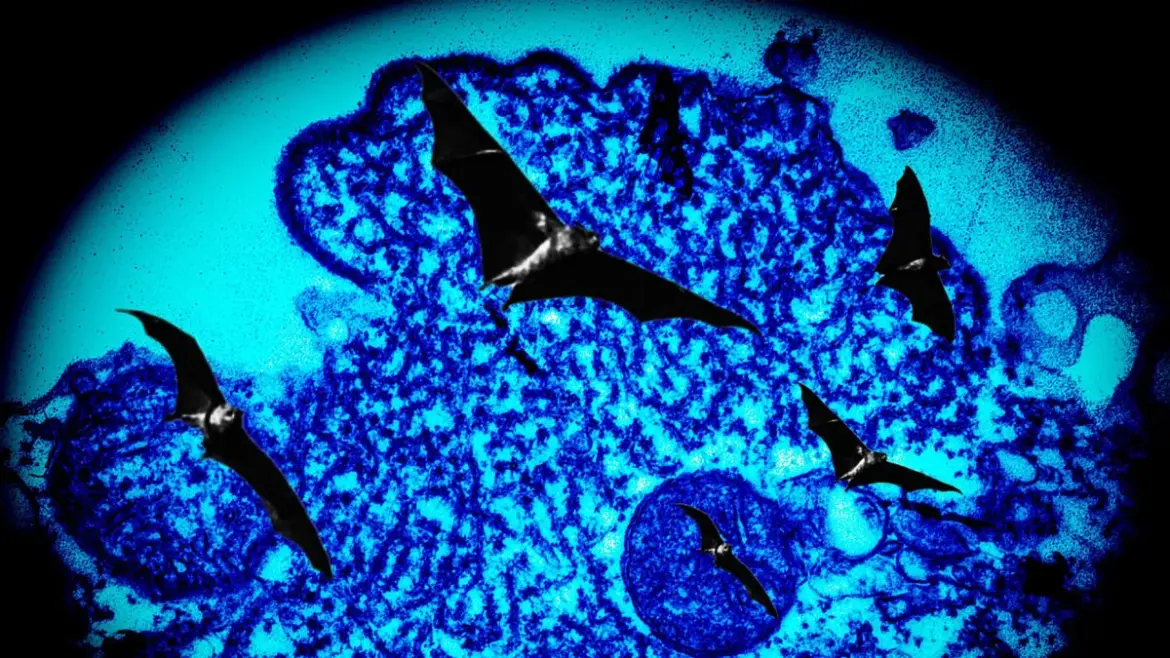
The central question surrounding the recent Nipah virus outbreaks in Kerala, India, is: how prepared is the region to handle this recurring health threat? The answer is troubling; despite past experiences, the region’s surveillance and preparedness remain inadequate.
The Nipah virus, first identified in Malaysia in 1999, is transmitted to humans through infected animals or contaminated food. In India, the first outbreak occurred in Kerala in May 2018, where 18 confirmed cases were reported, resulting in 17 deaths. Since then, Kerala has experienced multiple outbreaks, including a notable resurgence in 2023.
As of 2026, Kerala has reported two deaths from the Nipah virus, with the latest outbreak involving two nurses in West Bengal who slipped into a coma. Health officials have identified approximately 700 individuals on a contact list for Nipah virus risk, with 77 categorized as high-risk. This highlights the extensive reach of the virus and the urgency for effective health measures.
Symptoms of Nipah virus infection can include fever, headache, muscle pain, and respiratory problems, making early detection crucial. However, there are no licensed medicines or vaccines available for Nipah infection, which complicates the response efforts.
Deforestation and urban expansion have been identified as factors amplifying the risk of Nipah virus transmission, as these activities disrupt natural habitats of fruit bats, the primary carriers of the virus. The fruiting season in Kerala, around April, correlates with increased Nipah virus cases, suggesting a seasonal pattern that health officials must monitor closely.
In response to the ongoing threat, awareness campaigns targeting children are planned in Kerala, particularly due to past infections in that age group. Dr. Anish, a local health expert, emphasizes preventive measures such as avoiding fruits lying on the ground, washing and peeling fruits before consumption, and steering clear of bat roosts.
Despite these efforts, experts criticize the current state of surveillance and preparedness, describing it as poor and episodic. “Surveillance is activated too late, research funding is sporadic, and preparedness is episodic,” scientists warn, underscoring the need for a more robust public health strategy.
As Kerala grapples with these challenges, the question remains: will the region implement effective measures to prevent future outbreaks of the Nipah virus? The urgency for a coordinated response is clear, yet details remain unconfirmed regarding the effectiveness of current strategies.