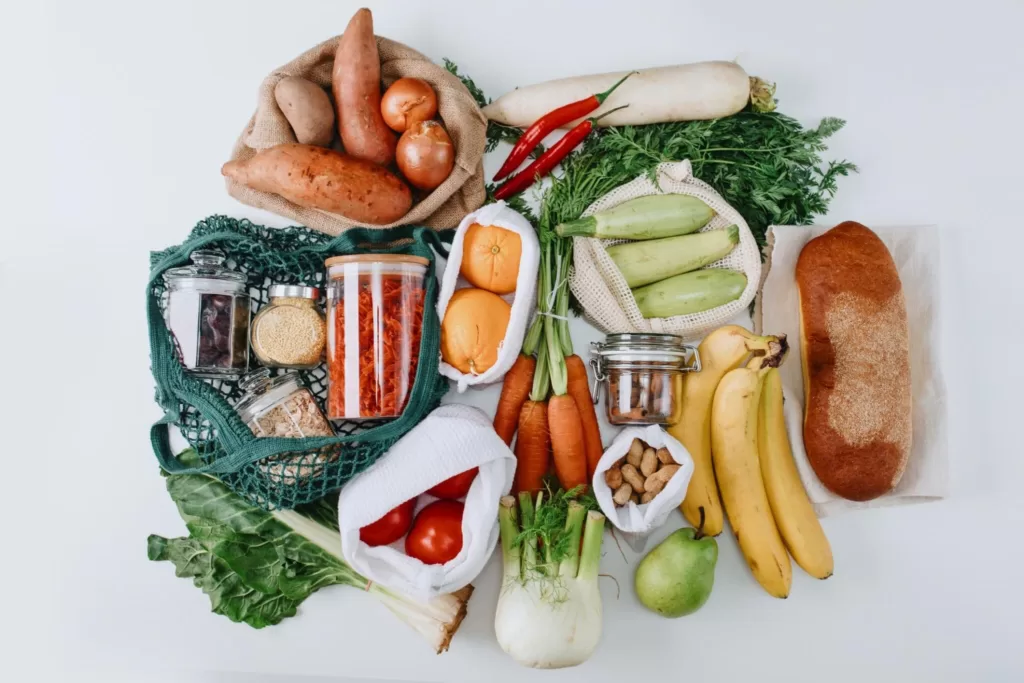
The Importance of an Unprocessed Diet
In recent years, the unprocessed diet has gained significant traction among health enthusiasts and nutritionists. This way of eating focuses on whole, natural foods that are free from additives, preservatives, and other industrially processed ingredients. The relevance of this topic is underscored by growing concerns over obesity, chronic diseases, and general wellness, making it vital for individuals to consider the quality of their food alongside calorie intake.
Caloric Intake and the Unprocessed Diet
An unprocessed diet promotes a natural, wholesome approach to food that often results in lower overall calorie consumption. Foods such as fruits, vegetables, legumes, whole grains, nuts, and seeds provide essential nutrients while generally being lower in calories compared to their processed counterparts. For instance, a cup of fresh spinach contains about 7 calories, whereas a highly processed spinach-based snack might contain significantly more due to added sugars and fats.
Research indicates that diets high in unprocessed foods can lead to better weight management and metabolism. A study published in the journal ‘Cell Metabolism’ noted that participants consuming unprocessed meals naturally consumed fewer calories, without the need for strict calorie counting. This is likely due to the high intake of fibre and protein that unprocessed foods offer, both of which contribute to satiety and reduce overall hunger levels.
Considerations for Implementing an Unprocessed Diet
Transitioning to an unprocessed diet may require adjustments, including meal planning and an increased focus on cooking at home. It can be tempting to reach for convenience in our busy lives, but numerous food brands now offer unprocessed options. It is essential to read labels carefully to ensure that food items are genuinely free of additives.
Conclusion: The Significance of Unprocessed Diets
As we look to the future, the unprocessed diet’s emphasis on quality food could play a pivotal role in combating health issues related to diet. For readers seeking a sustainable approach to health, considering calorie intake alongside food quality may yield beneficial results. With growing evidence supporting the advantages of eating unprocessed foods, it seems that this dietary choice not only benefits individual health but also has the potential to influence public health positively.