Introduction
Somalia, located in the Horn of Africa, has been a focal point of international attention due to its ongoing struggles with political instability, humanitarian crises, and significant security challenges. The importance of understanding Somalia’s current situation is vital not only for the region but also for global security and humanitarian efforts. As various international organisations engage with Somalia, it becomes crucial for the global community to be informed about the events taking place in this strategically significant country.
Political Developments
Somalia has made strides towards strengthening its political institutions following years of conflict and a lack of central governance. In 2022, Somalia held its first elections in years, culminating in the election of Hassan Sheikh Mohamud as president. His administration has been tasked with addressing a multitude of issues, including restoring order, economic recovery, and combating extremist violence from groups such as Al-Shabaab who have continued to carry out attacks across the country.
In recent months, political tensions have surfaced between the federal government and regional states. Disputes over resource distribution and power sharing remain unresolved, threatening the fragile political progress made since the elections. International observers have expressed concern that these tensions could derail Somalia’s path towards stability.
Humanitarian Crisis
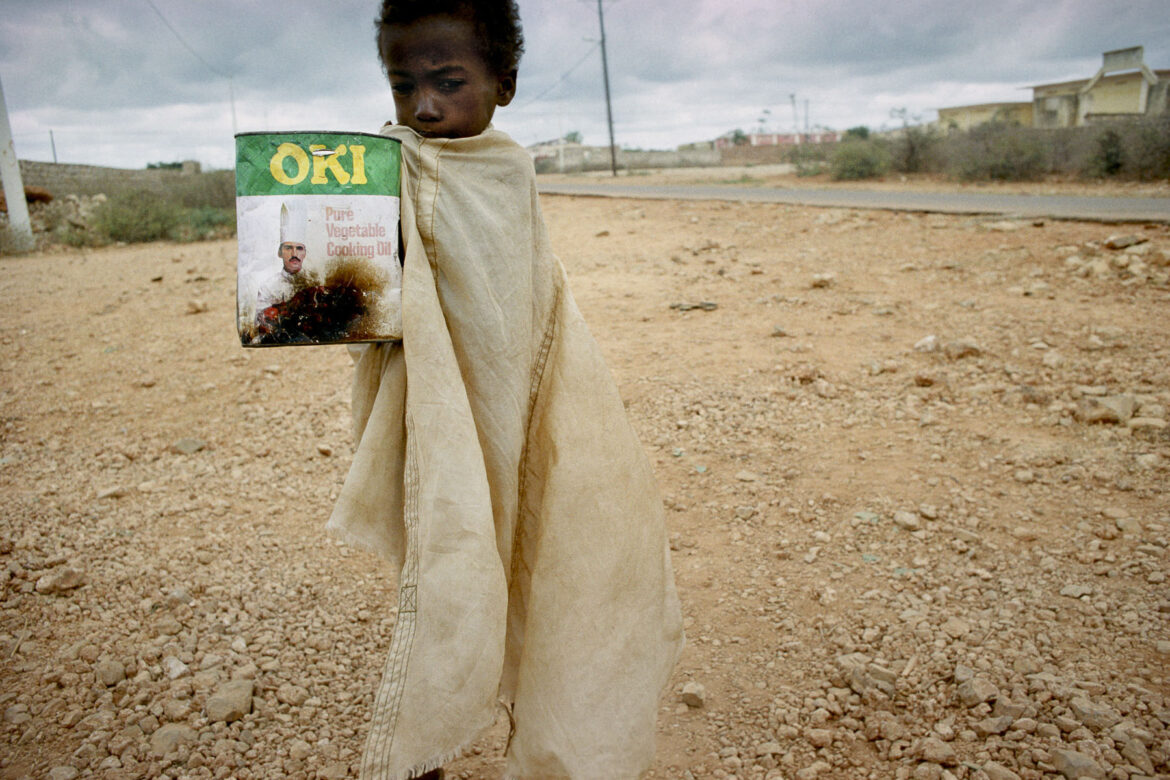
The humanitarian situation in Somalia is dire, exacerbated by ongoing conflict and climate-related disasters. As of October 2023, it is estimated that over 7 million people in Somalia face crisis-level food insecurity, with several regions experiencing alarming rates of malnutrition, primarily among children. Drought has struck these areas, causing significant agricultural losses and prompting large-scale displacement.
International humanitarian agencies are ramping up efforts to provide aid and support to affected populations, but funding shortages have hindered their operations. The United Nations has appealed for additional support to assist Somalians as they navigate this challenging landscape of food shortages and health crises.
International Relations
Somalia’s geopolitical significance has sparked interests from various global powers. The country serves as a focal point for maritime security concerns, given its proximity to major shipping lanes in the Indian Ocean. Nations such as the United States, the United Kingdom, and regional actors like Kenya and Ethiopia continue to engage with Somalia through military assistance and development aid.
Conclusion
Somalia remains at a critical juncture in its history, balancing the complexities of political evolution, humanitarian crises, and international relations. As the country grapples with its past, future prospects rest heavily on the collective efforts of the Somali people and the international community. Continued investments in governance, economic development, and humanitarian efforts will be necessary for Somalia to achieve lasting stability and improve the lives of its citizens.