Introduction
San Siro Stadium, officially known as Stadio Giuseppe Meazza, stands as one of the most iconic sports venues in the world, located in Milan, Italy. Home to two of the country’s most successful football clubs—AC Milan and Inter Milan—the stadium not only provides a platform for thrilling matches but also embodies a rich historical and cultural heritage. As football fever escalates globally, San Siro remains pivotal in shaping the passions of countless fans local and abroad.
History and Architecture
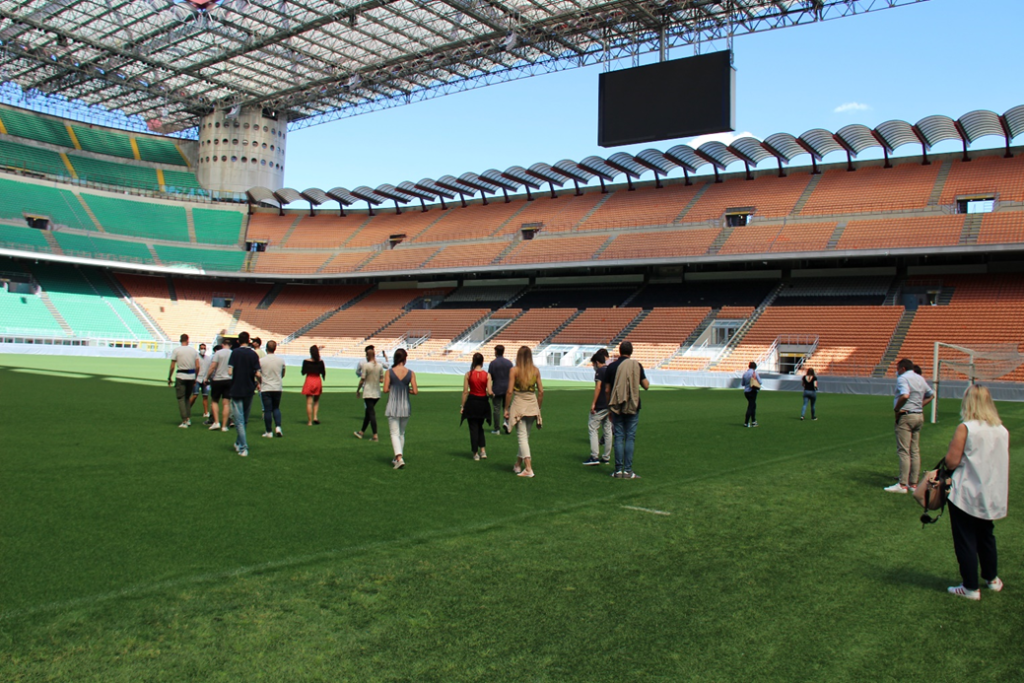
Opened in 1926, San Siro was initially constructed to accommodate 35,000 spectators. Over the decades, it has undergone numerous renovations, significantly increasing its capacity to over 75,000. The stadium is a prime example of exceptional Italian architecture, featuring a distinctive design complete with striking concrete towers and a unique roof that adds to the ambiance during matches. The venue was named after the nearby district of San Siro and later renamed in honour of legendary players Giuseppe Meazza.
Recent Developments
In recent years, discussions regarding the future of the stadium have gained momentum. A significant number of fans and stakeholders are advocating for a renovation to modernise the facilities, while others argue for preserving its historical essence. As of October 2023, plans have been announced for joint redevelopment of both clubs’ home grounds, with the aim of enhancing the matchday experience while respecting the stadium’s rich history. The proposed plans have ignited debates among fans regarding the preservation of traditions versus the necessity for modern facilities.
Significance in Sports and Culture
Beyond football, San Siro has hosted a plethora of cultural events and concerts, making it an integral part of Milan’s social fabric. Artists like U2, Bruce Springsteen, and Paul McCartney have entertained thousands here, solidifying its status as more than just a sports venue. The stadium’s role as a cultural hub reinforces its significance in both the local and international entertainment landscapes.
Conclusion
San Siro Stadium stands as a monument to Italy’s sporting passion and cultural richness. As discussions about its future continue, it remains a focal point for fans and a symbol of pride for Milan. Whether renovations proceed or the stadium is preserved as is, its legacy will undoubtedly continue to influence the world of sports and beyond for years to come. For football enthusiasts, visiting San Siro is not merely about watching a match; it’s about stepping into a slice of history that resonates with the dreams and aspirations of football fans around the globe.