Introduction
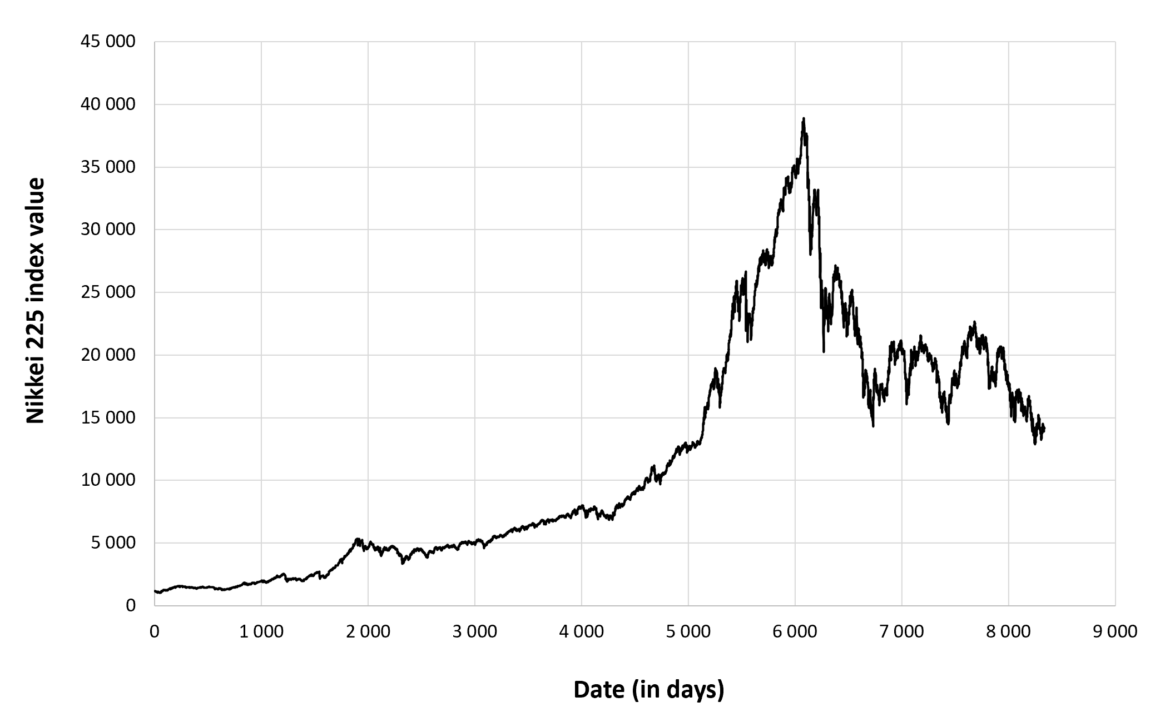
The Nikkei 225, a key stock market index in Japan, measures the performance of 225 leading companies listed on the Tokyo Stock Exchange. As Japan’s oldest and most recognised stock index, it plays a crucial role in assessing the health of the Japanese economy and investor sentiment both domestically and internationally. Understanding the Nikkei 225’s movements is vital for investors looking to navigate the complexities of Asian markets.
Recent Performance
As of recent months, the Nikkei 225 has shown significant volatility influenced by both domestic and global factors. The index closed at approximately 32,000 points in early October 2023, reflecting a gain of about 20% year-to-date. Analysts attribute this growth to several key factors, including strong corporate earnings, a weak yen, and Japan’s increasing focus on digital transformation and sustainable initiatives.
Key Contributors to the Nikkei 225
Major players in the Nikkei 225 include technology giants like Sony and SoftBank, automotive manufacturers such as Toyota and Honda, and financial services companies. These sectors not only contribute to the index’s performance but also reflect broader economic trends in Japan. For instance, recent reports indicate that Japan’s manufacturing sector is recovering post-pandemic, which has positively impacted companies within the index.
Global Factors Influencing the Index
The Nikkei 225 is also affected by global economics, such as changes in US interest rates, international trade policies, and geopolitical tensions. For example, the Bank of Japan’s policy to maintain low interest rates has been a significant factor leading to increased investor confidence in the Japanese market. Moreover, as international investors look for opportunities in Asia, they often turn their attention to Japan, further influencing the Nikkei’s fluctuations.
Conclusion
The Nikkei 225 remains a barometer for investors eager to gauge Japan’s economic performance amid shifting global landscapes. As we move towards the end of 2023, analysts predict that while the index may face headwinds from global uncertainties, strong corporate earnings and Japan’s proactive economic policies may provide stability. Investors should stay informed and consider both domestic developments and international influences that could affect the Nikkei 225 in the future.