Introduction
The UEFA Champions League, Europe’s premier club football tournament, has undergone a significant overhaul to its format for the 2023-2024 season. This change comes amidst ongoing discussions about improving competition and ensuring greater inclusivity for clubs across the continent. As one of the most prestigious and widely followed sporting events globally, the format alteration is of utmost importance, influencing team strategies, fan engagement, and broadcasting revenues.
Details of the New Format
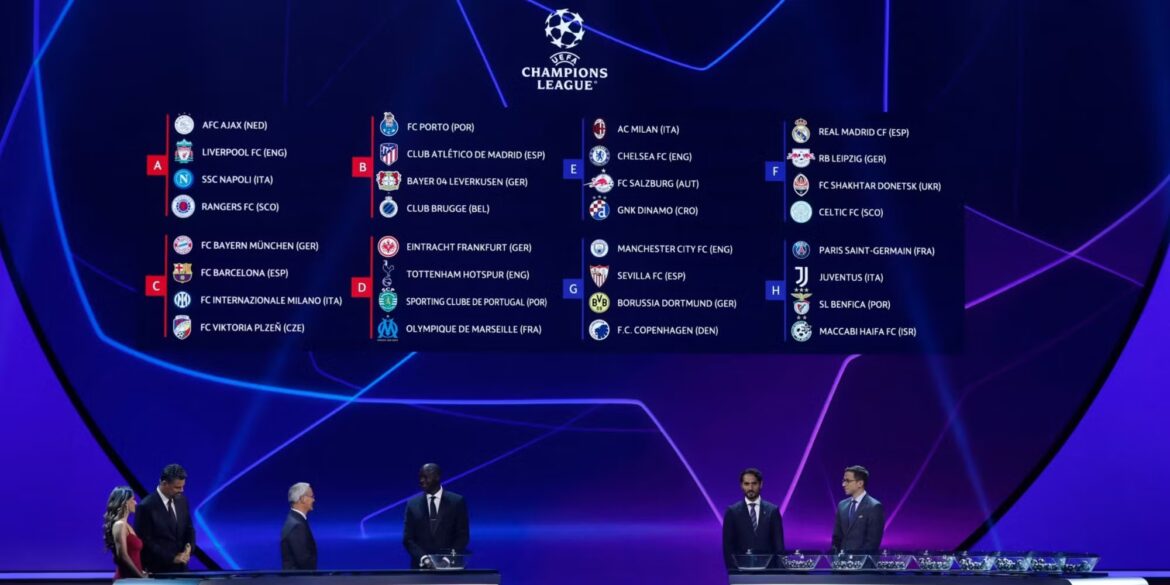
The fundamental shift in the Champions League format entails replacing the traditional group stage with a Swiss-style league format. Instead of the usual 32 teams divided into eight groups of four, the tournament will now feature 36 teams competing in a single league structure.
Each club will play a total of eight matches against a variety of opponents, with four home and four away games. This new system is designed to enhance the quality of matchups, allowing teams to engage with a broader range of opponents from different countries, thus increasing the excitement and unpredictability of the tournament.
The top eight teams in the league standings will automatically qualify for the knockout stages, while teams finishing between ninth and twenty-fourth places will enter a play-off round to secure their spots in the last 16. This adjustment is expected to intensify the competition, maintaining high stakes throughout the group stage.
What This Means for Clubs and Fans
The revised format aims to provide smaller clubs with unprecedented opportunities to compete against elite teams, potentially leading to surprising results reminiscent of fairytale stories that fans cherish. The increase in matches per team could also boost revenue for clubs through additional ticket sales and broadcasting rights.
For fans, the new format promises more diverse matchups and compelling narratives as teams vie for coveted spots in the knockout rounds. The introduction of a league format is expected to keep supporters engaged longer in the tournament, with each match carrying crucial implications for clubs.
Conclusion
As the UEFA Champions League embarks on this exciting new chapter, the implications of its format change will undoubtedly be felt across the footballing world. While the focus will be on delivering thrilling matches and intense rivalries, the long-term impact on club dynamics and fan interaction remains to be seen. Football enthusiasts eagerly await the inaugural season of this reimagined tournament, hopeful that it will indeed elevate the standards of European club football.