Introduction
The Chagos Archipelago, a group of islands in the Indian Ocean, is currently the centre of a significant geopolitical dispute that reflects wider issues of colonialism, sovereignty, and human rights. This area is particularly notable due to its controversial history of UK governance and its impact on the original Chagossian population, forcibly removed in the 1960s and 70s. Understanding this situation is crucial not only for the inhabitants and the UK government but also for international law and relations.
The Historical Context
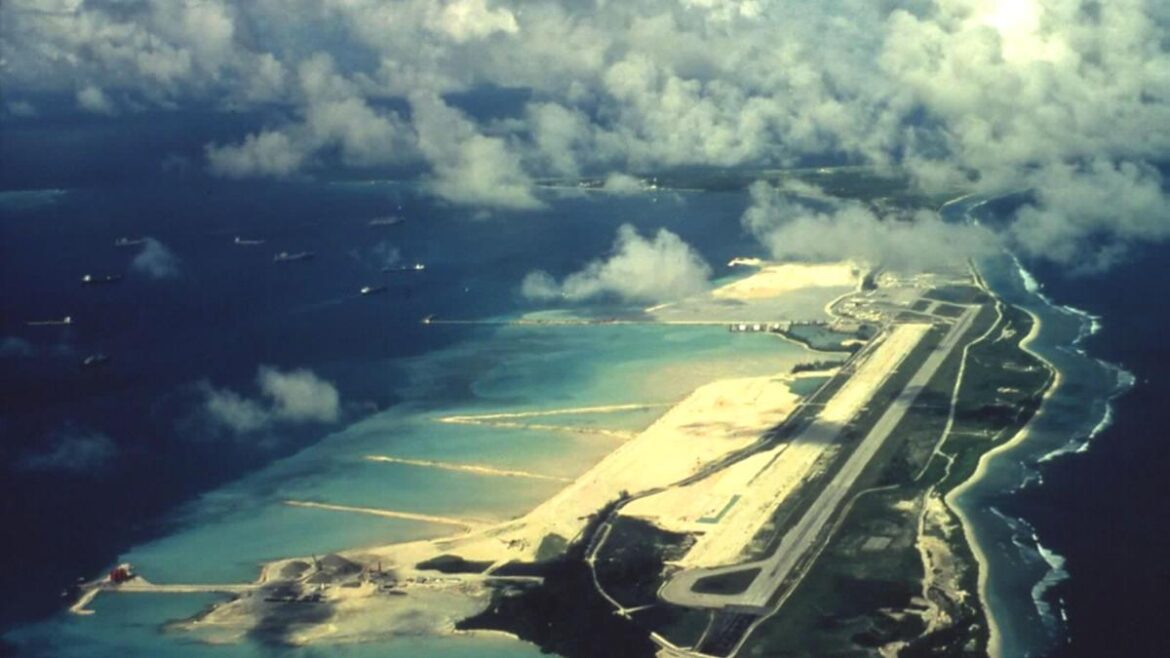
In the 1960s, the UK established the United States military base at Diego Garcia, one of the largest islands in the Chagos Archipelago. To facilitate this, the British government conducted a forced removal of the Chagossian people, ensuring the land remained uninhabited for military purposes. Over 1,500 men, women, and children were expelled, leading to decades of legal battles concerning their rights and claims to return.
Recent Developments
In recent years, the United Nations and various human rights organisations have called for the UK to allow the Chagossians to return home, arguing that human rights conventions are being violated. In 2019, the International Court of Justice (ICJ) ruled that the UK has an obligation to withdraw its colonial administration from the Chagos Archipelago as it is considered decolonisation that is not yet complete. Despite this ruling, the UK government has resisted pressure to grant the Chagossians a right to return, citing national security concerns regarding the military base.
Implications and Future Outlook
The ongoing dispute over the Chagos Archipelago raises significant questions about colonial legacies, international law, and the ethical duties of former colonial powers. As legal pressures mount and the voices of the Chagossian people continue to be organised, there is potential for a shift in policy or public opinion that could alter the status quo. The situation remains fluid, and its resolution could set an important precedent regarding the treatment of displaced populations and colonial territorial disputes.
Conclusion
The circumstances surrounding the Chagos Archipelago serve as a reminder of the complex realities of historical injustices and contemporary geopolitical strategies. As discussions continue, both the UK and its former inhabitants face crucial decisions that could affect thousands of lives and reshape international relations regarding sovereignty and human rights. For those interested in global affairs, the Chagos situation is vital to follow, as it embodies larger trends in decolonisation and human rights advocacy.