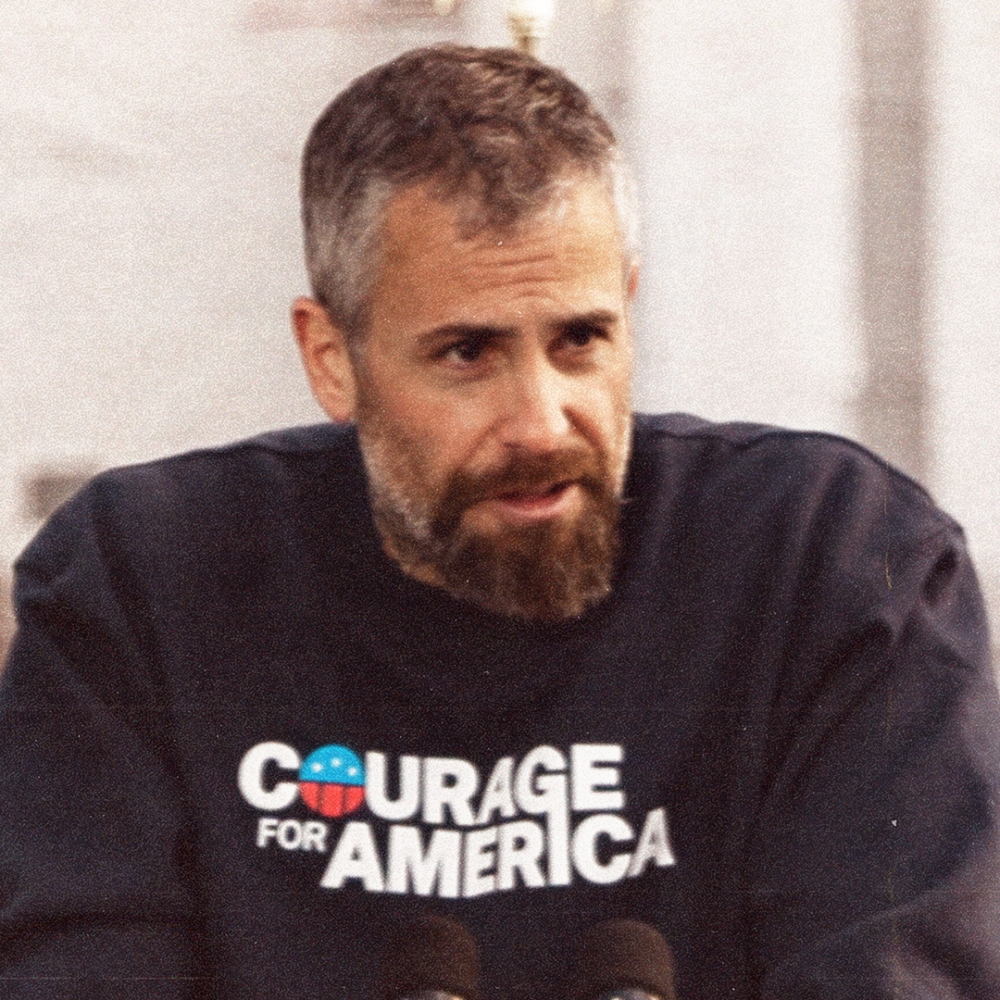
Importance of Michael Fanone’s Experience
Michael Fanone, a former Metropolitan Police Department officer, has become a significant voice in discussions surrounding the events of January 6, 2021. His personal accounts of the Capitol riot have shed light on the violence faced by law enforcement during this historic insurrection. Fanone’s testimony underscores the broader implications for policing, civic responsibility, and democracy in the United States.
Events of January 6th
On January 6, 2021, as a pro-Trump mob stormed the Capitol in an attempt to overturn the 2020 presidential election results, Fanone found himself amidst chaos and brutality. He reported that he was severely beaten and had a stun gun used against him during the violent confrontation. His harrowing experience, shared during House testimony and other public appearances, has prompted national conversations about the risks faced by police officers and the need for reform in addressing extremist violence.
The Aftermath and Advocacy
Since the event, Fanone has actively participated in various forums and discussions to advocate for law enforcement officers who face growing hostility and violence. He has voiced concerns about the lack of support for officers who protect civic duties, calling for better training, mental health resources, and accountability for those who commit violence against them. Fanone’s passionate pleas highlight both the physical and psychological toll that such incidents take on officers and the system as a whole.
Conclusion: Significance of Fanone’s Voice
Michael Fanone’s testimonies and advocacy work have brought to light the profound impact of the January 6 insurrection far beyond the immediate chaos. They reveal the challenges law enforcement faces in a politically charged atmosphere, where their roles are increasingly scrutinised. As Fanone continues to speak out, his experiences serve as an important reminder of the sacrifices made by police officers in protecting democracy. The ongoing dialogue surrounding his experience could pave the way for much-needed reform and support within law enforcement agencies, ensuring that those who serve are equipped to do so safely and effectively.