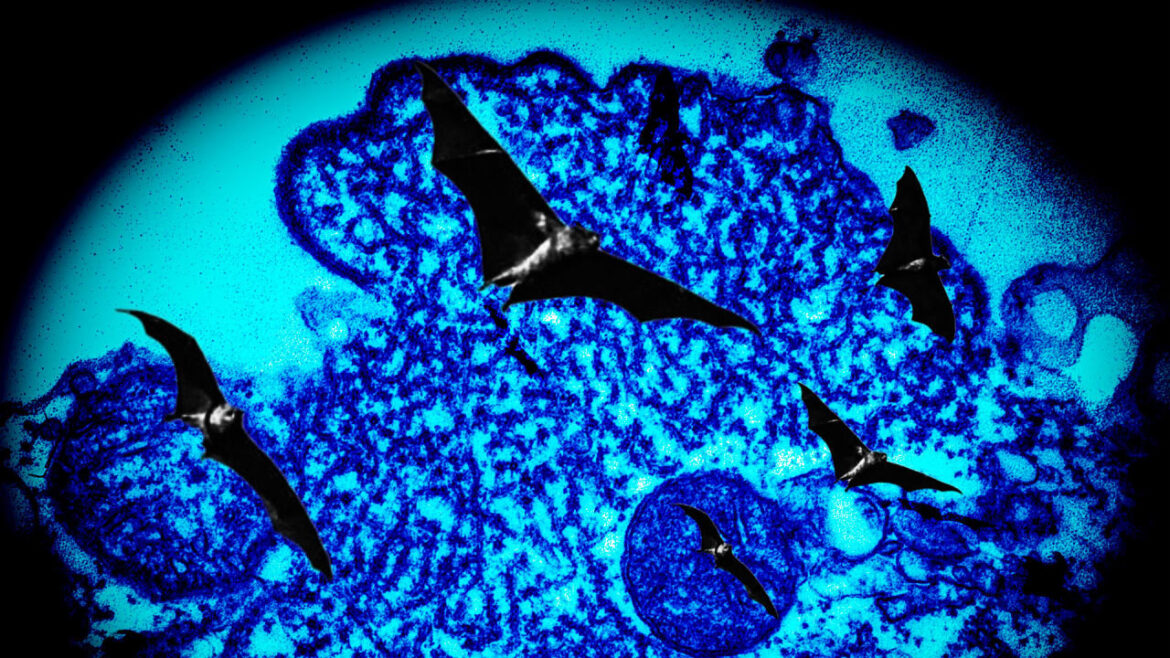
Introduction to Nipah Virus
The Nipah virus (NiV) is a zoonotic pathogen that poses significant threats to both public health and animal health. Originating from fruit bats, the virus can cause severe respiratory illness and encephalitis in humans. Given the past outbreaks, particularly in South and Southeast Asia, understanding the Nipah virus is crucial for global health security.
Recent Outbreaks and Public Health Response
As the world grapples with various infectious diseases, the Nipah virus has once again gained attention due to a recent outbreak reported in Kerala, India. In May 2023, authorities confirmed two cases of Nipah virus, raising alarm among health officials as they scrambled to control the spread. Containment measures included contact tracing, quarantining affected individuals, and public awareness campaigns to educate communities about the risks.
The World Health Organization (WHO) has also closely monitored the situation, providing technical support and guidelines to the Indian government and health ministries in the region. The Nipah virus is primarily transmitted from animals to humans, but human-to-human transmission is possible, making it imperative to act swiftly to limit outbreaks.
Current Research and Future Outlook
Scientific research on the Nipah virus is ongoing, particularly regarding vaccine development and effective treatment options. Institutions and pharmaceutical companies are exploring immunisation strategies that could protect high-risk populations during outbreaks. Recent studies suggest that collaborative global research efforts may yield crucial breakthroughs in controlling the virus.
Conclusion and Significance
The resurgence of Nipah virus cases illustrates the need for heightened vigilance and preparedness in public health. As the world continues to face emerging infectious diseases, investing in surveillance, research, and community education is vital for mitigating outbreaks. The lessons learned from previous Nipah virus outbreaks can inform responses to future public health challenges, emphasising the importance of a coordinated approach among global health organisations and local authorities. Staying informed and proactive is key to safeguarding public health from the ever-evolving threat of infectious diseases.