Introduction
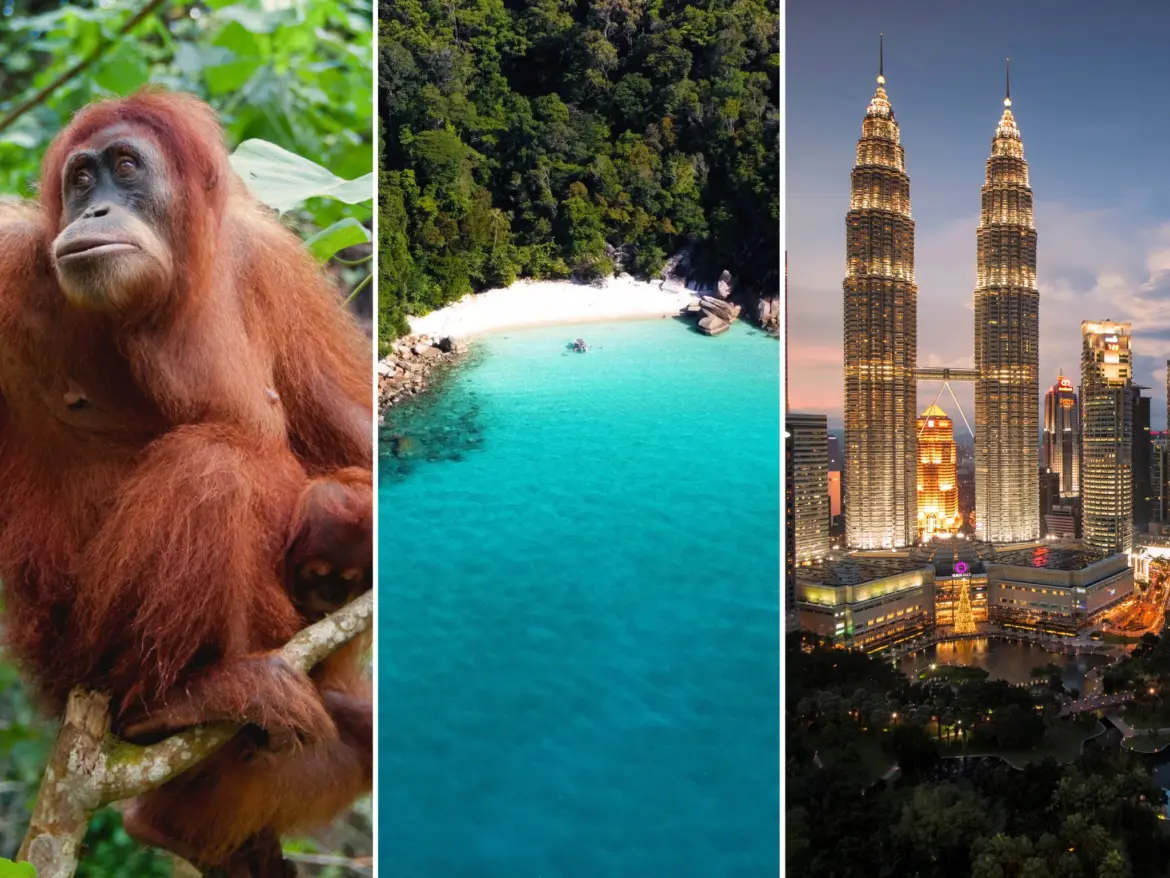
Malaysia, a Southeast Asian nation, is renowned for its diverse culture, rich history, and rapid economic growth. With a population of over 32 million, it is a melting pot of Malay, Chinese, Indian, and indigenous cultures, making it one of the most vibrant countries in the region. This article explores Malaysia’s cultural richness, economic developments, and the significance of these elements on both local and global scales.
Cultural Diversity
The cultural landscape of Malaysia is characterized by its harmonious coexistence of different ethnicities and religions. Festivals such as Hari Raya, Chinese New Year, and Deepavali are celebrated enthusiastically, showcasing the country’s multicultural ethos. According to the Department of Statistics Malaysia, as of 2022, the Malay ethnic group constitutes about 69% of the population, while the Chinese and Indian communities make up approximately 23% and 7% respectively. This diversity is reflected in the nation’s cuisine, festivals, architecture, and traditional arts.
Economic Growth
Economically, Malaysia has been on an upward trajectory, primarily driven by its robust manufacturing and services sectors. The World Bank projects Malaysia’s GDP growth to be around 5.5% in 2023. The nation has also embraced technology, with the digital economy playing a significant role in post-COVID recovery initiatives. Malaysia is a global leader in palm oil production, electrical and electronics, and has also seen growth in tourism, which is expected to rebound significantly as travel restrictions ease.
Current Events
Recently, Malaysia has been focusing on sustainable development objectives, aligning with its aspirations to become a high-income nation by 2025. The government has introduced various initiatives aimed at promoting green technology and resource efficiency. Additionally, in light of the global economic situation, Malaysia’s central bank has implemented policies to stabilise the financial sector and ensure growth while addressing inflation concerns.
Conclusion
As Malaysia continues to evolve, it stands as a testament to the harmony of cultural diversity and economic resilience. The nation’s ability to adapt to global changes while preserving its unique identity is crucial for its future. For readers, understanding Malaysia’s landscape lends insight into a country that is not only an economic player in Southeast Asia but also a cultural bridge connecting diverse communities.