Introduction
Vitamin D is a crucial nutrient that plays an essential role in maintaining overall health and wellbeing. Known as the ‘sunshine vitamin’, it is unique in that the body can produce it in response to sunlight exposure. This vitamin is vital for calcium absorption, bone health, immune function, and has been linked to mental health outcomes. As recent research continues to unveil its importance, understanding vitamin D’s role, sources, and recommended intakes becomes increasingly relevant, especially given the global rise in vitamin D deficiency.
Current Research and Findings
A recent study by the UK National Health Service (NHS) has highlighted that nearly 40% of the population may be vitamin D deficient, particularly during the winter months when sunlight is limited. This deficiency can lead to various health problems, including osteoporosis, cardiovascular diseases, and weakened immune function. Researchers are also delving into the potential link between low vitamin D levels and increased severity of respiratory infections, including COVID-19, suggesting that sufficient levels might contribute to better health outcomes.
Sources of Vitamin D
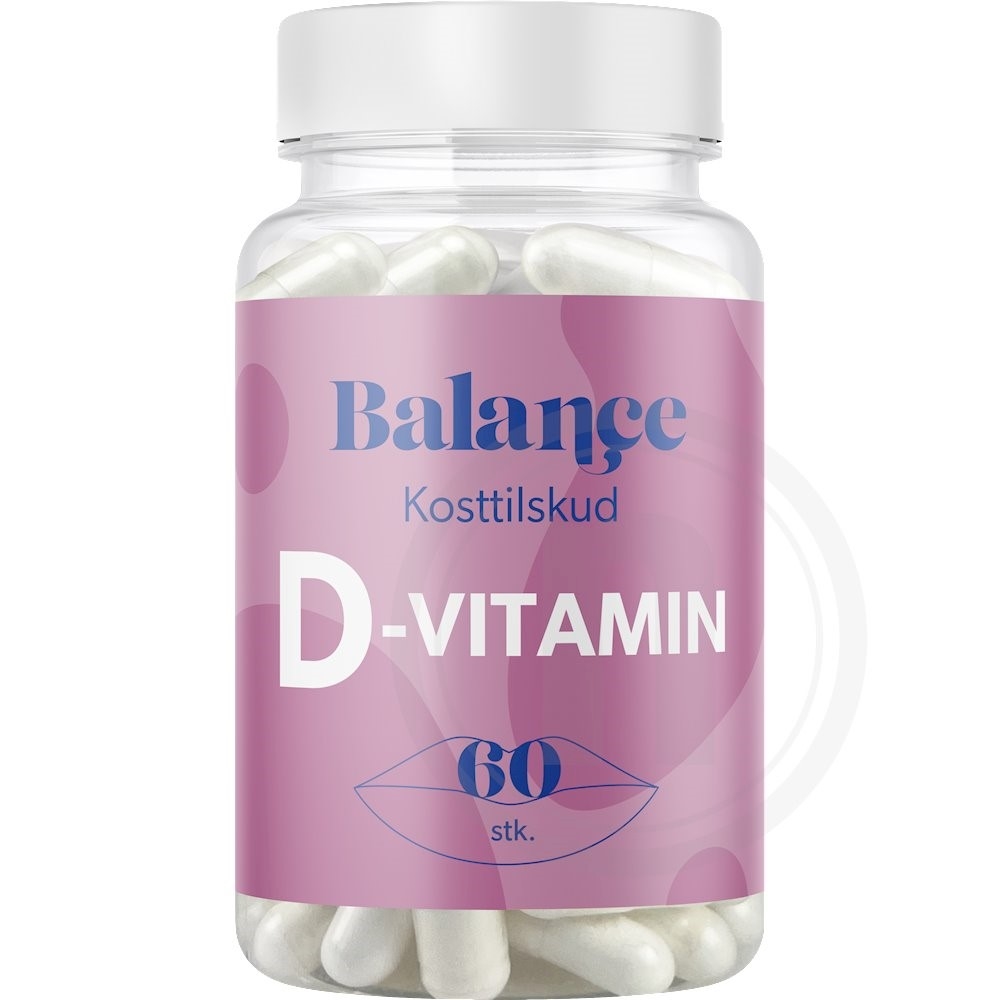
Obtaining adequate vitamin D can be achieved through various means, including natural synthesis from sunlight exposure, dietary sources, and supplementation. Foods rich in vitamin D include fatty fish, fortified dairy products, and egg yolks. However, for individuals not receiving sufficient sunlight, particularly those in northern climates or with limited outdoor exposure, supplements may be necessary. The NHS currently recommends that adults consider taking a daily supplement of 10 micrograms, especially during autumn and winter.
Conclusion
The significance of vitamin D cannot be overstated as it is crucial for many bodily functions. With the growing evidence regarding its deficiency in the population, ensuring adequate intake is essential for maintaining good health. As we head into the winter months, where sunlight is scarce, it is advisable for individuals to evaluate their vitamin D levels and consider dietary changes or supplements. Taking proactive steps to manage vitamin D intake can significantly enhance quality of life, body function, and overall health.