Introduction
The National Grid plays a pivotal role in the United Kingdom’s energy infrastructure, responsible for the transmission of high-voltage electricity from power stations to homes and businesses. Given the increasing focus on renewable energy sources and the urgency to combat climate change, understanding how the National Grid operates is more important than ever. It not only affects daily life but also influences the country’s path towards sustainability and energy security.
Current Events and Changes in the National Grid
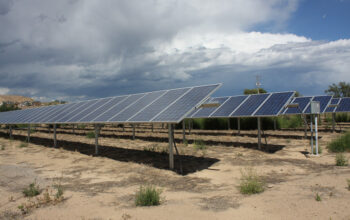
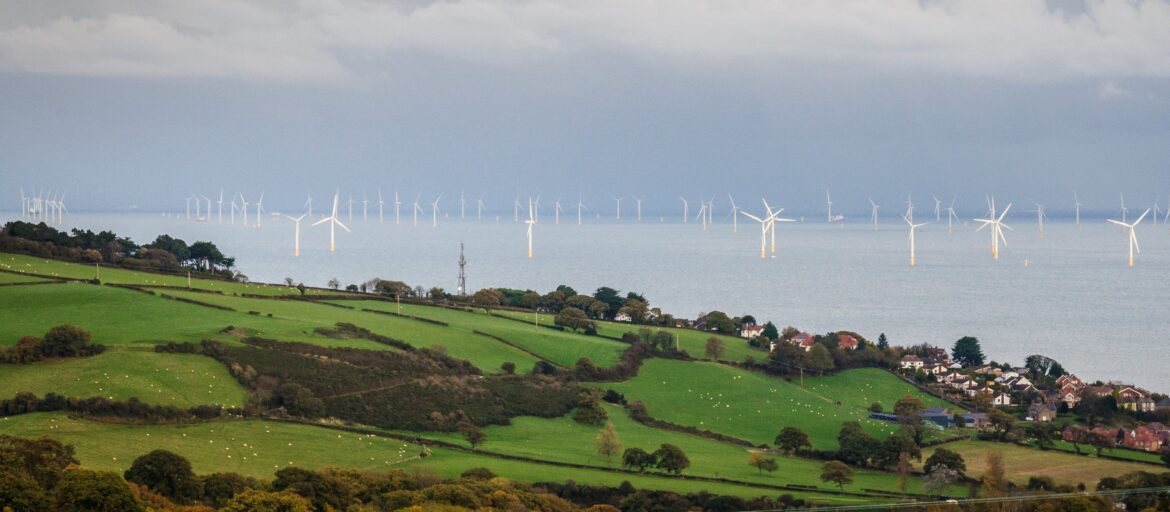
In recent months, the National Grid has faced significant challenges and changes. With a growing number of renewable energy sources, such as wind and solar, being integrated into the power supply, the National Grid must adapt to manage fluctuations in energy generation. For instance, in 2023, the UK recorded its highest ever renewable energy generation, which constituted approximately 70% of the electricity supply on certain days. This increase begs the question of how well the National Grid can maintain stability when faced with such variable sources.
To address these tensions, the National Grid is implementing advanced technologies like smart meters and energy storage solutions. These innovations aim to enhance demand-response strategies, allowing the grid to adjust consumption based on supply levels. In addition, the UK is investing in interconnectors with neighbouring countries, like France and the Netherlands, to facilitate energy sharing and bolster overall grid resilience.
Government Policies and Future Directions
The UK government has set ambitious targets for reducing carbon emissions, with the aim of reaching net-zero by 2050. To support these goals, the National Grid is undergoing upgrades to ensure it can handle the increase in renewable energy. For example, significant investments in infrastructure are being made to modernise transmission lines and bolster capacity.
The government has also launched initiatives aimed at engaging consumers in energy conservation, promoting electric vehicles, and increasing the use of heat pumps, all of which will influence the demand patterns that the National Grid must manage.
Conclusion
The importance of the National Grid in the UK’s energy landscape cannot be overstated. As we move towards a greener future, the ability of the National Grid to adapt and innovate will be crucial in meeting the energy needs of a modern society while contributing to sustainability goals. With ongoing developments and a commitment to technological advancement, the National Grid is set to play a fundamental role in shaping how energy is produced, distributed, and consumed in the coming years.