Introduction
The leadership of Vladimir Putin has significantly shaped both Russian society and global politics in the 21st century.
Since he first took office in 1999, Putin’s policies have sparked international debate, influencing global relations, military engagements, and economic strategies. Understanding Putin’s role is essential for those wishing to grasp contemporary geopolitical dynamics.
Current Political Landscape
As of late 2023, Putin continues to maintain a firm grip on power amid ongoing tensions between Russia and the West, particularly concerning the conflict in Ukraine. The invasion that commenced in February 2022 has resulted in widespread sanctions against Russia, dramatically affecting its economy and international standing.
Recently, reports indicate that Russia’s economy is showing signs of resilience, contrary to initial expectations. The finance ministry stated that while GDP contracted, recent results indicate a rebound, highlighting Putin’s strategic adjustments in response to global pressures. This adaptive approach has kept significant portions of the economy operational, albeit within a restricted framework.
Military and Foreign Relations
Putin’s military strategy has been a focal point of his administration, with the ongoing conflict in Ukraine being a prime example. Russia’s military interventions have raised concerns in neighbouring countries, prompting a reevaluation of defence strategies within NATO. NATO countries have boosted military spending and reinforced their eastern flanks in response to perceived threats.
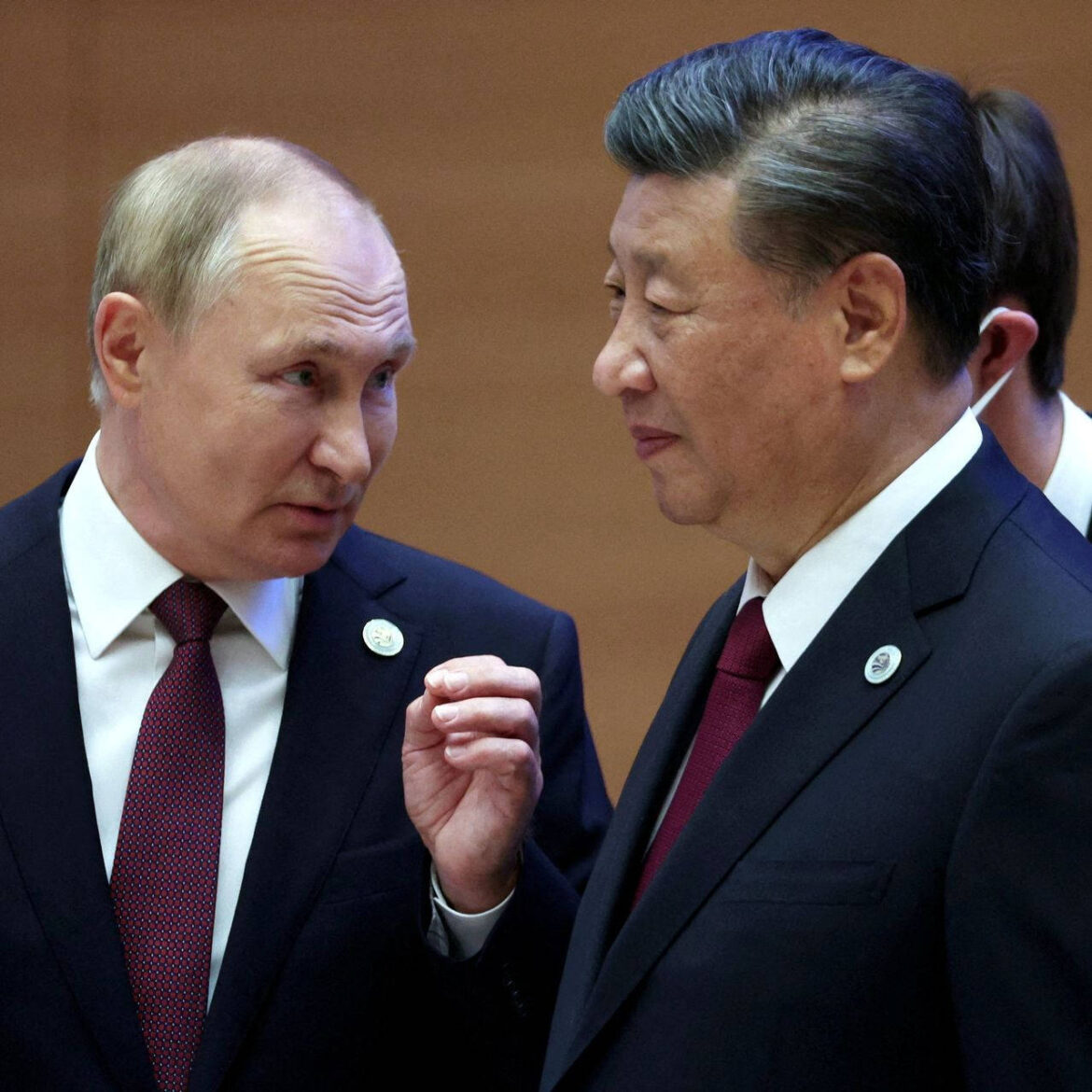
Furthermore, Russia’s foreign relations have shifted, seeking new alliances, especially with countries like China and India, which have grown closer to Moscow as a counterbalance to Western influence. These relationships illustrate a potential realignment of power dynamics on the global stage.
Domestic Policies and Challenges
Domestically, Putin’s government has faced substantial challenges, including public dissent, economic hardship due to sanctions, and social unrest. Recent protests have emerged over various issues, reflecting a populace increasingly discontent within a constrained political environment. Yet, the Kremlin continues to manage dissent effectively through strict control over media and civil society.
Conclusion
Putin’s presence on the global stage remains impactful, as he navigates complex geopolitical challenges while maintaining his leadership authority at home. As we move forward, the implications of his policies and potential shifts in strategy towards Europe, the US, and neighbouring regions will undoubtedly influence international relations. Observers and analysts must closely monitor developments in Russia, as they hold significant consequences not only for local populations but for global stability as a whole.