Introduction
The Nipah virus, a zoonotic pathogen first identified in 1999, has garnered significant attention due to its potential to cause severe disease and outbreaks in humans. With cases reported in various regions, particularly in South and Southeast Asia, understanding its symptoms is crucial for early detection and public health responses.
What is the Nipah Virus?
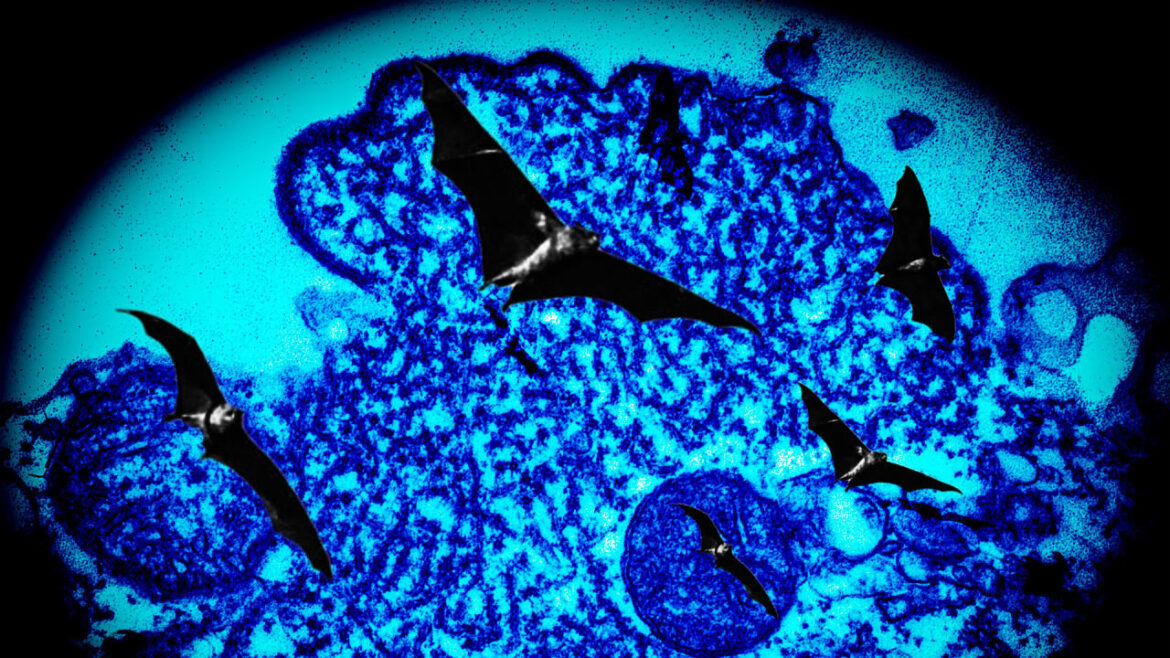
Nipah virus is primarily transmitted to humans from fruit bats, which serve as the natural reservoir. It can also spread through contaminated food or direct contact with infected individuals. Symptoms can range from mild to severe, making awareness essential for healthcare providers and communities.
Common Symptoms
Initial symptoms of Nipah virus infection typically appear within 5 to 14 days after exposure and can resemble those of other viral infections. Common symptoms include:
- Fever
- Headache
- Dizziness
- Cold-like symptoms such as cough or sore throat
- Myalgia (muscle pain)
As the virus progresses, symptoms may escalate, leading to severe outcomes like:
- Encephalitis (inflammation of the brain)
- Seizures
- Coma
Severity and Complications
The disease can progress rapidly, with patients experiencing severe neurological manifestations, including altered mental status and confusion. The World Health Organization (WHO) has reported case fatality rates of 40% to 75%, depending on local capabilities for clinical management and prevention.
Current Situation
As of October 2023, health authorities are on high alert due to sporadic outbreaks reported in Bangladesh and India. Preventive measures include public awareness campaigns about avoiding exposure to fruit bat habitats and consumption of raw date palm juice, which can become contaminated. Vaccines and antiviral treatments are still under investigation, making early diagnosis critical.
Conclusion
Staying informed about the symptoms of the Nipah virus is vital for early intervention in suspected cases. Public health initiatives focusing on education and surveillance, alongside timely medical responses, are essential to manage the threat posed by Nipah virus. Ongoing research is crucial to develop effective treatments and preventive measures, helping to reduce the risk of future outbreaks and their impact on public health.