Introduction
In recent years, autonomous vehicles have transitioned from a futuristic dream to a burgeoning reality, significantly impacting the transportation landscape. Among the pioneers in this field is Waymo, a subsidiary of Alphabet Inc. and the developer of self-driving technology. As cities evolve and the demand for innovative transportation solutions grows, Waymo’s advancements remain relevant and critical to discussions on mobility and safety.
Waymo’s Journey
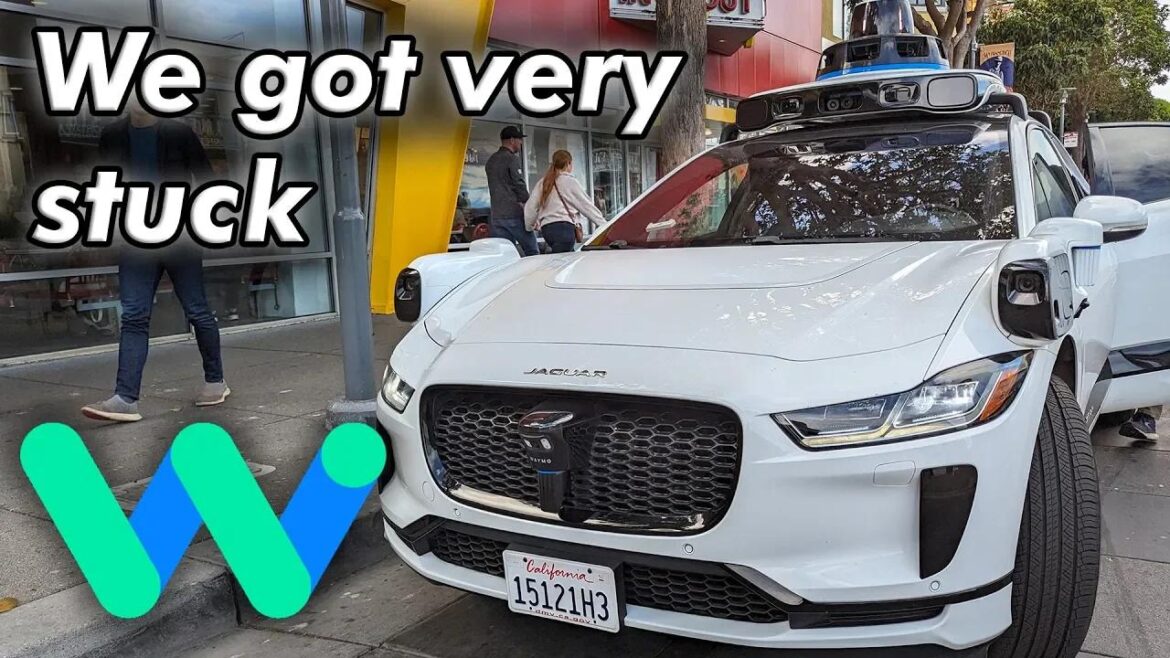
Waymo originated from Google’s self-driving car project in 2009 and has evolved into a sophisticated platform for fully autonomous driving. In October 2022, Waymo expanded its services by launching its robotaxi service in San Francisco, allowing passengers to hail rides in fully autonomous vehicles without a safety driver onboard. This significant milestone represents not only a technical achievement but also a regulatory one, indicating a greater acceptance of self-driving cars in urban environments.
Recent Developments
As of 2023, Waymo has continued to enhance its technology through real-world testing and collaborations. The company has integrated advanced AI systems and machine learning algorithms that enable its vehicles to navigate complex driving scenarios and adapt to changing conditions. Recently, Waymo has also partnered with ride-hailing giant Uber, providing an option for passengers to experience its self-driving rides through the Uber platform. This collaboration aims to expand Waymo’s reach while tapping into Uber’s vast customer base.
Challenges and Considerations
Despite its progress, Waymo faces several challenges in public acceptance and regulatory hurdles. Many consumers remain wary of autonomous technology due to safety concerns. Furthermore, regulatory bodies across different regions are still assessing the implications of widespread robotaxi services. As cities grapple with congestion and environmental impacts, the balance between innovation and public safety will be crucial. Waymo continues to engage in dialogues with city planners and policymakers to help shape the future landscape of urban mobility.
Conclusion
Waymo stands at the forefront of the autonomous vehicle revolution, making strides towards a future where self-driving cars are an integral part of our daily lives. As technology continues to evolve and public perception shifts, the significance of Waymo’s developments cannot be overstated. With ongoing advancements and collaborations, Waymo is not just paving the way for autonomous transit solutions but is also influencing how we think about transportation, safety, and urban infrastructure.