Introduction
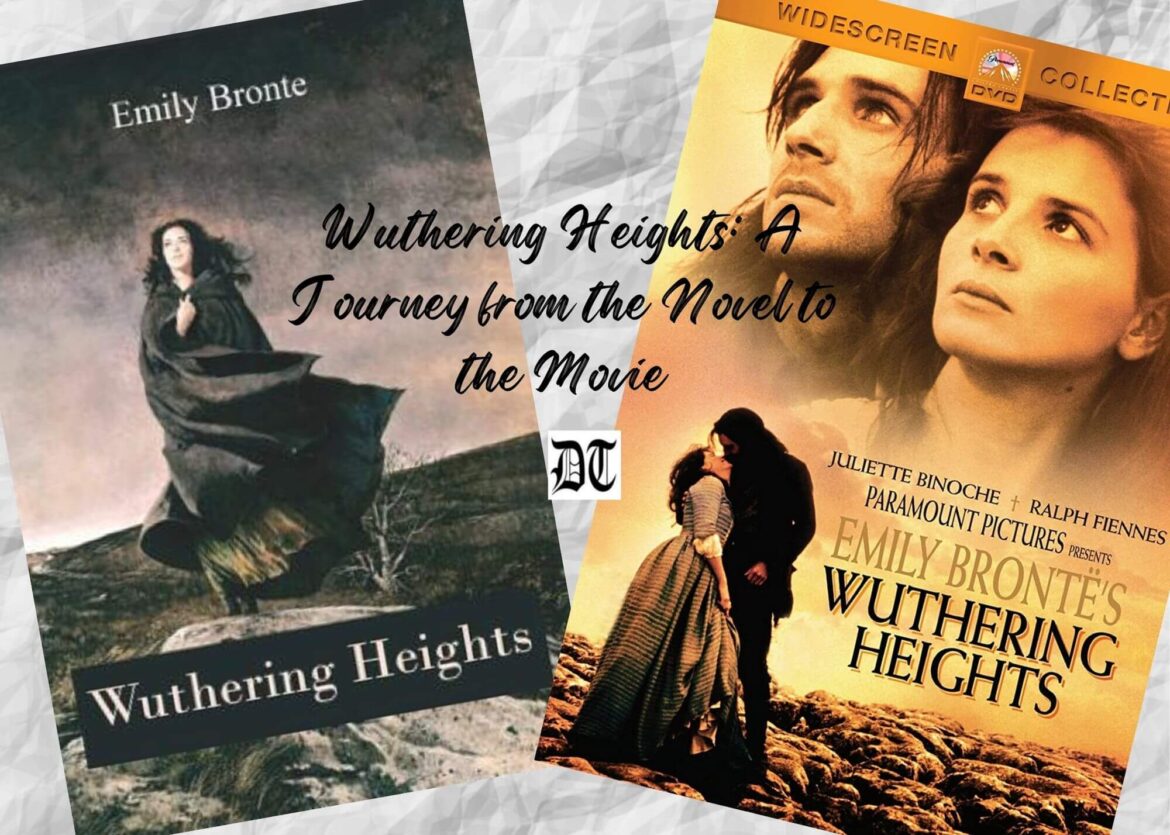
Wuthering Heights, the iconic novel by Emily Brontë, has captivated audiences since its publication in 1847. The turbulent love story between Heathcliff and Catherine Earnshaw has inspired numerous adaptations across various media, particularly film. The significance of these adaptations lies not only in their contribution to film history but also in their role inkeeping Brontë’s classic alive for new generations.
Historical Context of Wuthering Heights Adaptations
The very first film adaptation of Wuthering Heights was released in 1920 and directed by A.V. Bramble, although it is largely considered lost. Over the decades, the tale has been retold in various formats, with notable entries including the 1939 film starring Laurence Olivier and Merle Oberon, which remains one of the most acclaimed versions. This adaptation stood out not only for its star-studded cast but also for its blending of visual and narrative elements that captured the dark, Gothic atmosphere of the novel.
Recent Adaptations
In recent years, filmmakers have continued to take creative liberties with Brontë’s story. The 2011 adaptation, directed by Andrea Arnold, offered a raw and gritty interpretation, focusing on the natural landscapes of Yorkshire and the emotional turmoil of its characters. This version, with its modern sensibilities, aimed to connect a new audience with the haunting themes of love, revenge, and social class distinctions characteristic of Brontë’s work.
Impact on Cultural Landscape
The influence of Wuthering Heights is evident not only in film but also in literature, theatre, and music. It serves as a foundational text in discussions of romanticism and existentialism, making its adaptations essential viewing for those studying these literary movements. In the world of cinema, each new interpretation has provided insights into the evolving societal perspectives on love and morality.
Conclusion
The rich history of Wuthering Heights movie adaptations underscores its lasting appeal and adaptability. As filmmakers continue to reinterpret Brontë’s masterwork, audiences are invited to engage with the emotional depths and complexities of the characters’ relationships. It can be anticipated that future adaptations will further explore novel themes while reminding viewers of the timelessness of the source material. For literature and film enthusiasts alike, the journey of Wuthering Heights on screen remains an intriguing tale of passion and tragedy.