Introduction
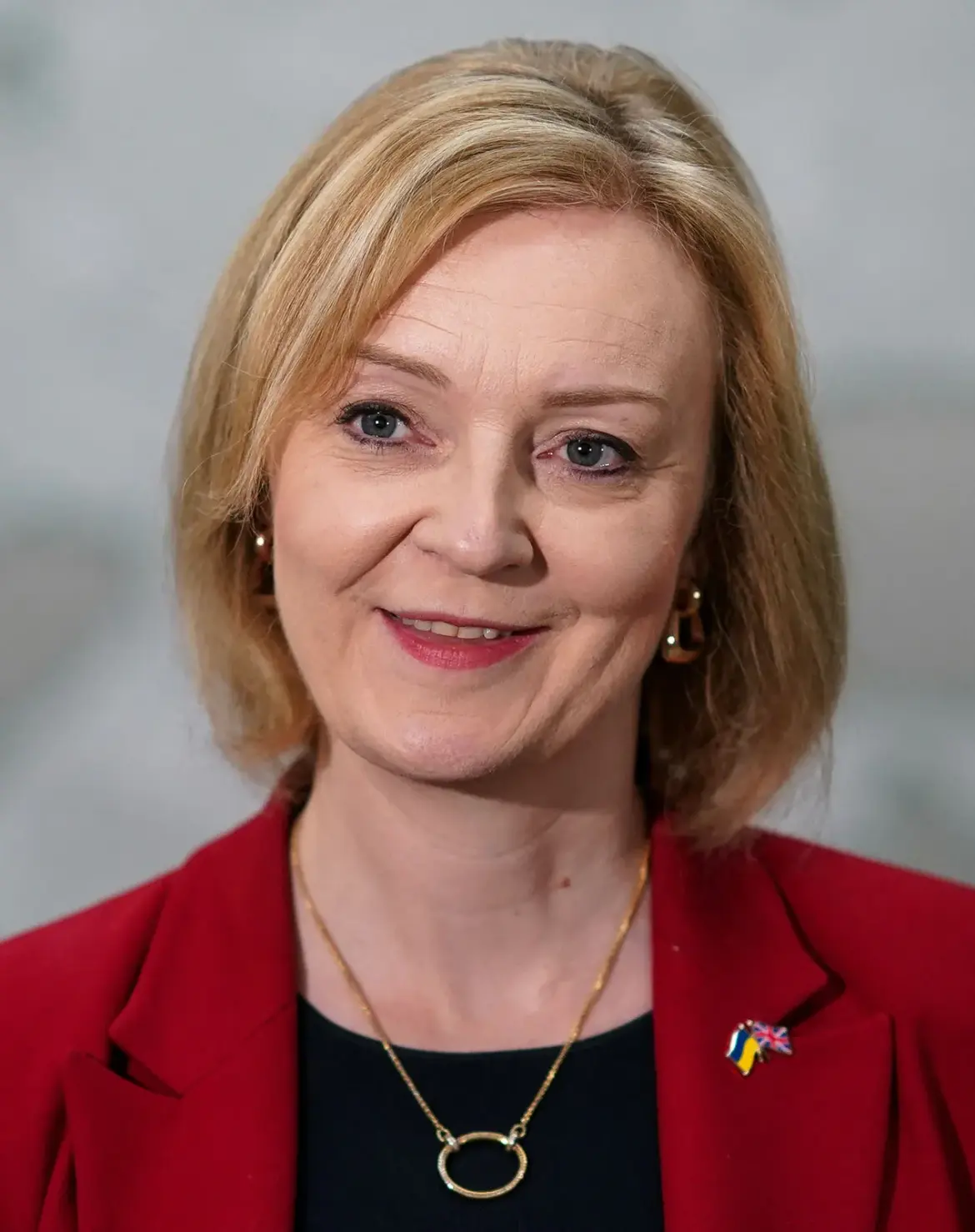
Liz Truss, the former Prime Minister of the United Kingdom, has had a dynamic and often controversial political career. As one of the few female leaders in British history, her impact on UK politics is notable, particularly in terms of economic policies and international relations. With her rise to power and rapid departure, Truss’s tenure has ignited discussions on leadership and governance in turbulent times.
Political Ascendancy
Born on July 26, 1975, in Oxford, Liz Truss studied Philosophy, Politics, and Economics at the University of Oxford. Following her graduation, she worked in the energy and telecommunications sectors before entering politics. She was elected as the MP for South West Norfolk in 2010, and her career quickly gained momentum within the Conservative Party.
Before becoming Prime Minister, Truss held several key government positions, including Secretary of State for International Trade and President of the Board of Trade. Her tenure in these roles showcased her commitment to free trade and her vision for the UK’s economic future post-Brexit.
Prime Ministerial Tenure
In September 2022, Liz Truss ascended to the position of Prime Minister, succeeding Boris Johnson amid internal party strife and a national economic crisis. Her policy agenda focused on growth through tax cuts and deregulation, which was met with both support and criticism from various factions within Parliament and the public. However, her controversial mini-budget revealed vulnerabilities in her economic strategy, which led to financial instability and subsequent backlash from markets.
Just 50 days into her premiership, Truss resigned in October 2022 — the shortest tenure in British history. This rapid decline prompted debates about leadership qualities and the implications of economic policies amidst recession fears.
Conclusion
Liz Truss’s political journey has sparked widespread dialogue regarding the effectiveness of her policies and leadership style. Although her time as Prime Minister was brief, it continues to serve as a case study in political decision-making and economic strategy. Analysts suggest that her experience highlights the complexities of governing in a post-pandemic world, where adaptability and foresight are crucial. As the Conservative Party reflects on its future direction, Truss’s tenure will undoubtedly be a pivotal reference point for both politicians and voters alike.