Introduction
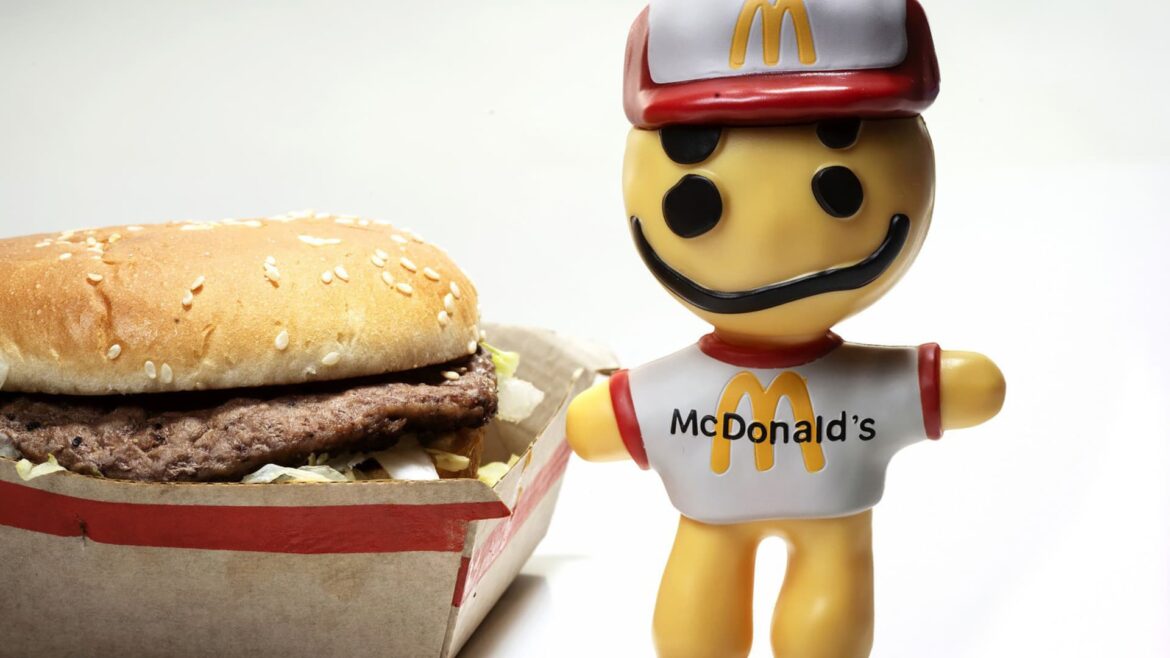
The McDonald’s Happy Meal has become a staple in fast food culture since its inception in the 1970s. Originally designed to appeal to children, it combines food, toys, and a playful experience, marking a significant evolution in family dining. Understanding the impact of the Happy Meal provides insight into consumer behavior, marketing strategies, and the fast food industry’s adaptation to changing demands.
History and Evolution
The Happy Meal was introduced in 1979, initially in the United States. The idea stemmed from the need to create a meal option that catered to children, with a focus on fun and nutrition. The original Happy Meal included a small burger, fries, and a drink, accompanied by a toy. Over the years, the evolution of the Happy Meal saw the introduction of healthier options, incorporating apple slices and milk to address growing health concerns among parents.
Cultural Significance
The Happy Meal has transcended its role as merely a children’s meal; it has become a cultural icon. Through various marketing campaigns, McDonald’s has successfully brandished the Happy Meal as a gateway into the world of McDonald’s for children. The toy included in the meal has often been a major driving force, featuring popular franchises like Disney, Star Wars, and more recently, Pokémon. This has turned the Happy Meal into a collectible item for many children and families. According to recent data, the introduction of themed toys often leads to a significant uptick in sales.
Current Developments
In recent months, McDonald’s has continued to adapt the Happy Meal to meet contemporary needs. The brand has launched initiatives to ensure that toys are environmentally friendly and is increasingly focused on nutritional balance. In 2023, McDonald’s announced efforts to reduce plastic use by introducing paper bags for toys and providing plant-based meal options. Additionally, the company is integrating technology, allowing customers to order Happy Meals through its app which provides a more interactive experience.
Conclusion
The McDonald’s Happy Meal represents more than just a meal; it embodies a significant aspect of childhood and family dining experiences. As McDonald’s evolves and adapts to new health standards and consumer needs, the Happy Meal will likely continue to play a pivotal role in the fast food landscape. Looking ahead, it’s probable that this iconic meal will further embrace sustainable practices while maintaining its fun and nostalgic charm that has captivated generations.