Introduction
The campaign for Women Against State Pension Inequality (WASPI) has gained significant attention in recent years, highlighting the injustice faced by women born in the 1950s who experienced a sudden increase in their state pension age. This issue is crucial as it not only affects the financial well-being of thousands of women but also raises broader questions about gender equality and social justice within the UK pension system.
The WASPI Campaign
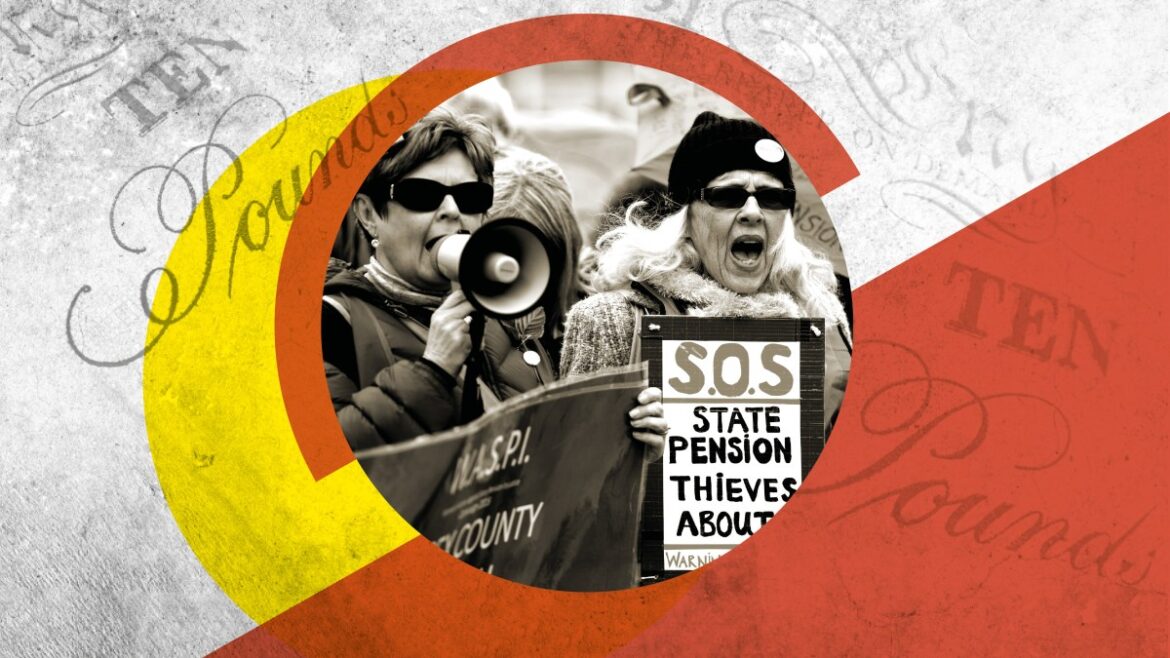
The WASPI campaign was launched in 2015 to address the grievances of women who were not adequately notified of changes to their state pension age, which increased from 60 to 66. Many women relied on the original pension age to plan their retirement, and to receive little to no notice of this significant change has left many in financial distress. As of now, it is estimated that around 3.8 million women have been adversely affected, leading to calls for compensation.
Recent Developments
In recent months, there have been discussions within Parliament regarding the possibility of compensating WASPI women. Various political parties have shown differing levels of support for compensatory measures. In a recent debate, MPs acknowledged the hardships faced by these women, yet concrete solutions remain elusive. A petition demanding fair compensation has gathered widespread support, indicating strong public sentiment surrounding the issue.
Additionally, legal action has been considered, with some women seeking judicial review of the government’s handling of the pension age changes. They argue that the lack of proper communication and the abrupt changes constitute a breach of their rights.
The Significance of the Issue
The WASPI situation represents a significant moment in addressing historical injustices in the UK pension system. As the government grapples with recovery from the COVID-19 pandemic and rising living costs, it faces increased pressure to rectify pension inequalities. A fair resolution for WASPI women could set a precedent for how pension rights are approached in the future, highlighting the need for transparency and fairness in the adjustment of state pensions.
Conclusion
The ongoing struggle for pension compensation for WASPI women highlights the broader challenges of gender equality in the finance and retirement sectors. While discussions are ongoing, the path to resolution remains complex. However, it is critical for both citizens and policymakers to continue advocating for fairness and transparency in pension distributions to ensure that every individual is treated equitably. As the government considers its next steps, the futures of millions of women hang in the balance, underscoring the urgent need for justice in the pension system.