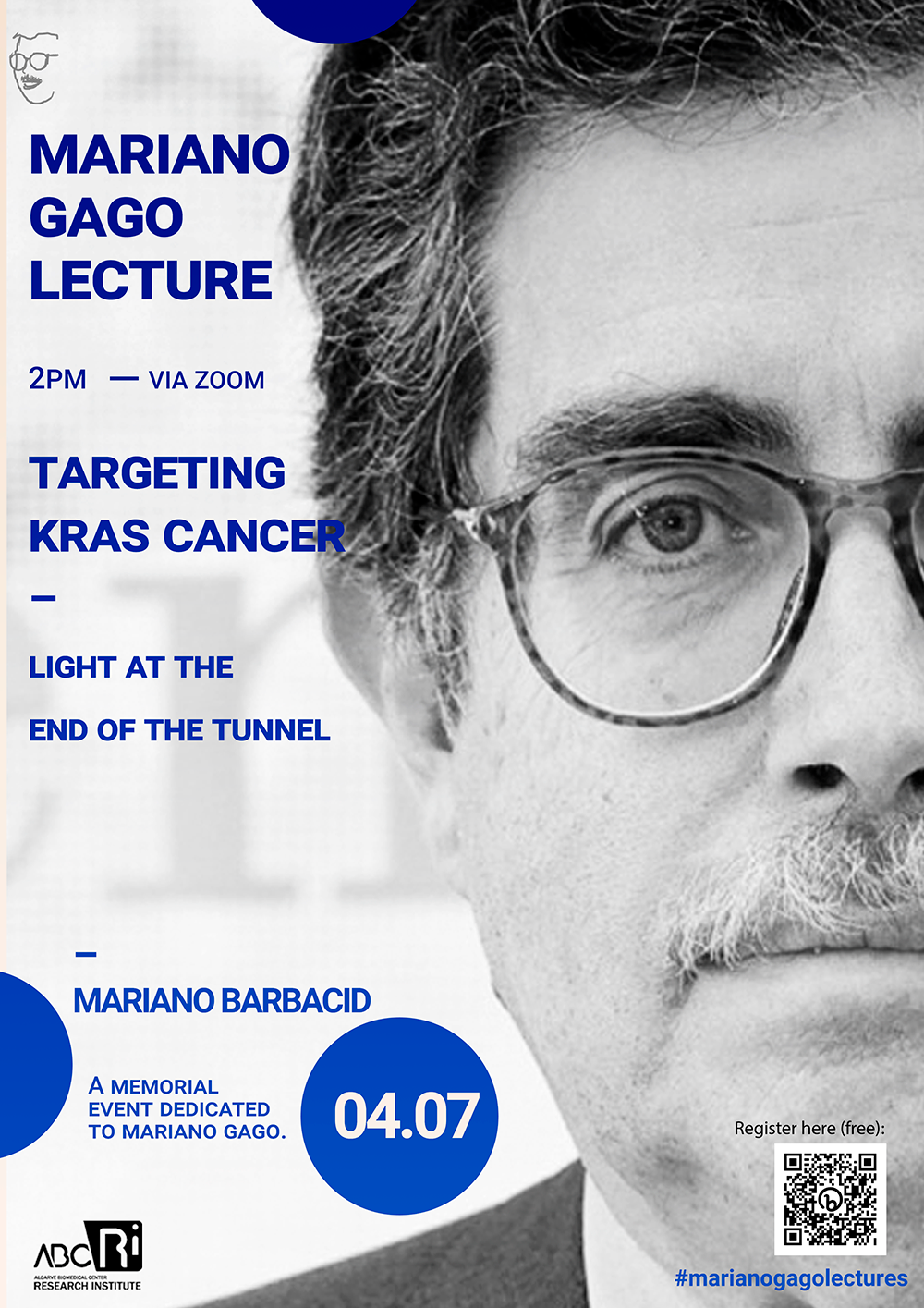
Introduction
Mariano Barbacid is a distinguished Spanish oncologist and biochemist whose work has significantly advanced the field of cancer research. His groundbreaking discoveries have paved the way for targeted cancer therapies. Understanding Barbacid’s contributions is crucial, as he represents the forefront of scientific innovation in combating one of humanity’s deadliest diseases.
Key Contributions
Barbacid’s most notable achievement came in the early 1980s when he was part of a research team that identified the first oncogene, a gene that has the potential to cause normal cells to become cancerous. This discovery laid the foundation for many cancer treatment strategies that are in use today. He later isolated the Ras oncogene, which plays a central role in cell division and growth, making it a critical target for cancer therapies.
His research has not only influenced academic circles but has also translated into practical applications in clinical settings, particularly in the development of targeted drugs for various cancers. Phosphatidylinositol 3-kinase (PI3K) inhibitors and other therapies are a direct result of insights gained from Barbacid’s work.
Recent Developments
Recently, Barbacid has shifted his focus towards the role of the tumour microenvironment in cancer evolution. His team has been investigating how neighbouring cells influence the behaviour of cancer cells, which could lead to more effective therapies that consider the entire ecosystem of the tumour. In a study published in leading scientific journals in 2023, Barbacid’s research highlighted how altering the communication between cancer cells and their microenvironment could hinder tumour growth.
Impact on Future Research
The significance of Barbacid’s work extends beyond immediate applications; it lays the groundwork for future research in personalised medicine. As scientists continue to understand the genetic and environmental factors contributing to cancer, Barbacid’s research encourages a more nuanced approach to treatment, emphasising the need for tailored therapies based on individual genetic profiles.
Conclusion
Mariano Barbacid’s relentless pursuit of knowledge and innovation has had a profound impact on cancer research and treatment. As the scientific community continues to evolve, Barbacid’s insights into oncogenes and the tumour microenvironment will remain vital in guiding future research directions. For readers, this underscores the importance of supporting cancer research initiatives as they bear the potential to save countless lives through continued advancements in treatment methodologies.