Introduction
Wordle, the simple yet addictive word puzzle game, has taken the world by storm since its acquisition by The New York Times in January 2022. In an era where digital games rise and fall in popularity, Wordle stands out, captivating players with its straightforward format and daily challenges. This has made Wordle not just a game but a cultural phenomenon, fostering a community of word enthusiasts eager to share their daily results.
Background and Acquisition
Initially developed by software engineer Josh Wardle as a personalised gift for his partner, Wordle quickly gained traction among family and friends. By late 2021, the game attracted significant attention on social media platforms, leading to its acquisition by The New York Times for an undisclosed seven-figure sum. The Times aimed to leverage Wordle’s popularity to bolster its online subscriber base, aligning with its strategy to offer engaging, interactive content.
Gameplay and Engaging Features
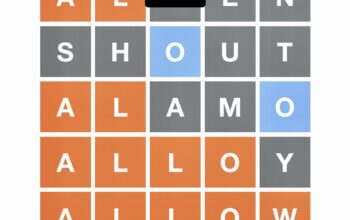
The mechanics of Wordle are simple: players have six attempts to guess a five-letter word, receiving real-time feedback on their guesses. Correct letters in the right position are marked in green, those in the wrong position are yellow, and incorrect letters are greyed out. This straightforward structure not only entices seasoned puzzle solvers but also invites newcomers to engage easily.
Impact on Social Interaction
One of the most notable aspects of Wordle is its impact on social interaction. Players share their results on platforms like Twitter and Facebook, often showcasing their guess patterns using emoji grids. This sharing has fostered a sense of camaraderie and healthy competition among friends and family, as they strive to solve the daily Wordle.
Future of Wordle
As of 2023, Wordle continues to flourish under The New York Times, which has integrated the game into its product suite. The Times plans to expand the game’s reach by offering additional word games and variations in the future. With plans to engage younger audiences, it is likely that they will introduce multiplayer formats or themed challenges, further solidifying Wordle’s role in the gaming landscape.
Conclusion
The success of Wordle reflects the evolving landscape of digital gaming and its ability to create community connections. For The New York Times, Wordle serves as more than just a game; it is a strategic asset in attracting and retaining subscribers. As it continues to grow, it will be interesting to see how Wordle adapts to meet the demands of its audience while maintaining the charm that made it a viral sensation.