Introduction
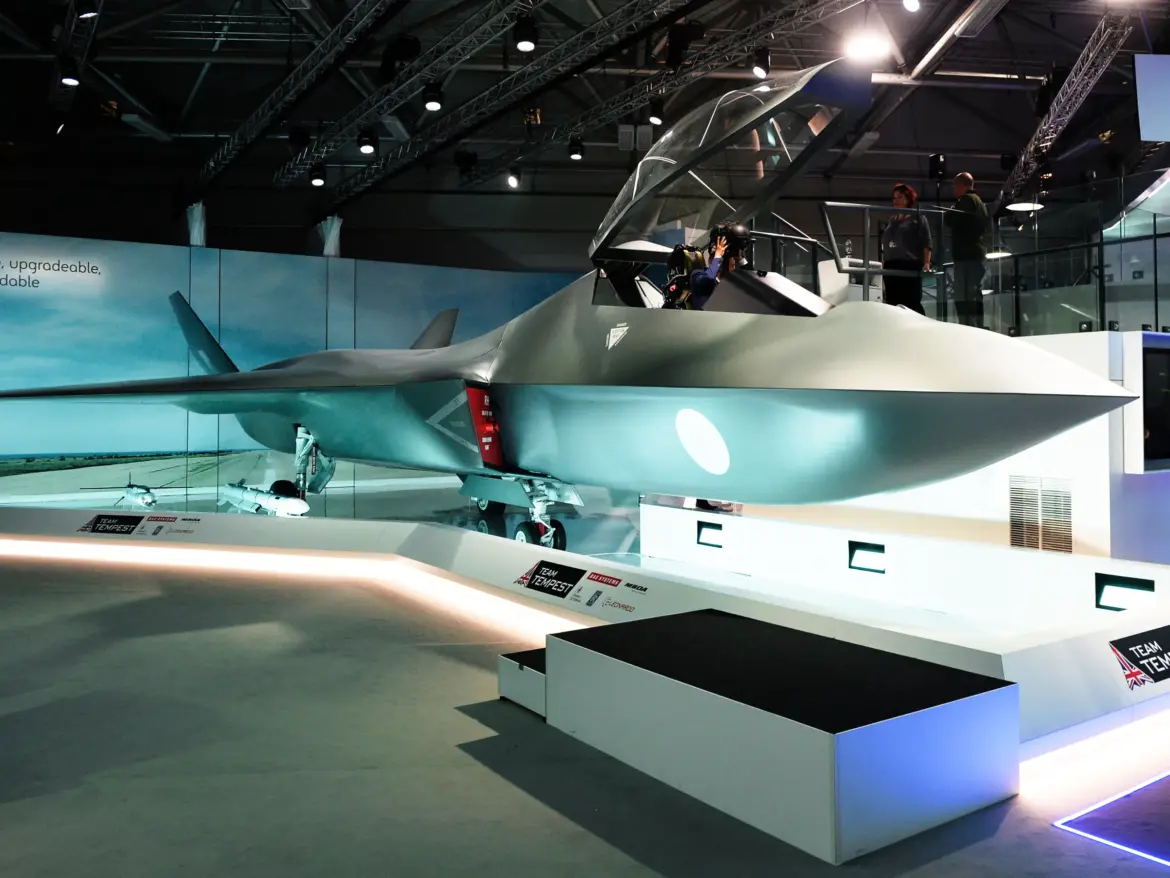
The Tempest Fighter Jet is a next-generation combat aircraft currently under development in the UK. A collaborative venture involving the UK Ministry of Defence and several major aerospace companies, including BAE Systems and Rolls-Royce, the Tempest is poised to redefine the landscape of aerial warfare. As global security dynamics evolve, investing in advanced military technology has become increasingly important to ensure national defence capabilities.
Recent Developments
In recent months, there has been significant progress in the Tempest programme. The aircraft is set to incorporate cutting-edge technologies such as artificial intelligence, advanced weapons systems, and enhanced stealth features. This capability is designed to maintain air superiority in complex operational environments. During the Defence and Security Equipment International (DSEI) trade show held in London in September 2023, officials showcased the latest prototypes and technologies associated with the Tempest project, capturing the attention of global military experts and attendees.
One notable advancement is the integration of a digital backbone that connects air and ground assets, allowing for seamless information sharing and improved situational awareness for pilots. Moreover, the aircraft is being designed to operate alongside unmanned aerial vehicles (UAVs) and other platforms, ensuring operational flexibility in future combat scenarios.
Strategic Importance
The Tempest Fighter Jet is not just a technological marvel but also carries significant strategic implications. The UK aims to maintain its position as a leading military power amidst rising international tensions and evolving threats. The completion of the Tempest programme aligns with the UK’s Integrated Review and Defence Command Paper, which highlights the need for modern, agile, and technologically advanced force structures.
Besides enhancing national security, the Tempest programme also supports jobs and economic growth in the defence sector. It is expected to create and sustain thousands of jobs, benefiting both the skilled workforce and the broader economy.
Conclusion
In conclusion, the Tempest Fighter Jet represents a major leap forward in combat aviation technology, with implications that extend beyond military applications. As we move closer to its expected operational debut in 2035, continued investment and development will be crucial to ensuring the UK’s strategic objectives are met. The successful implementation of this programme is likely to influence global air combat strategies and may set new standards for future military aircraft.