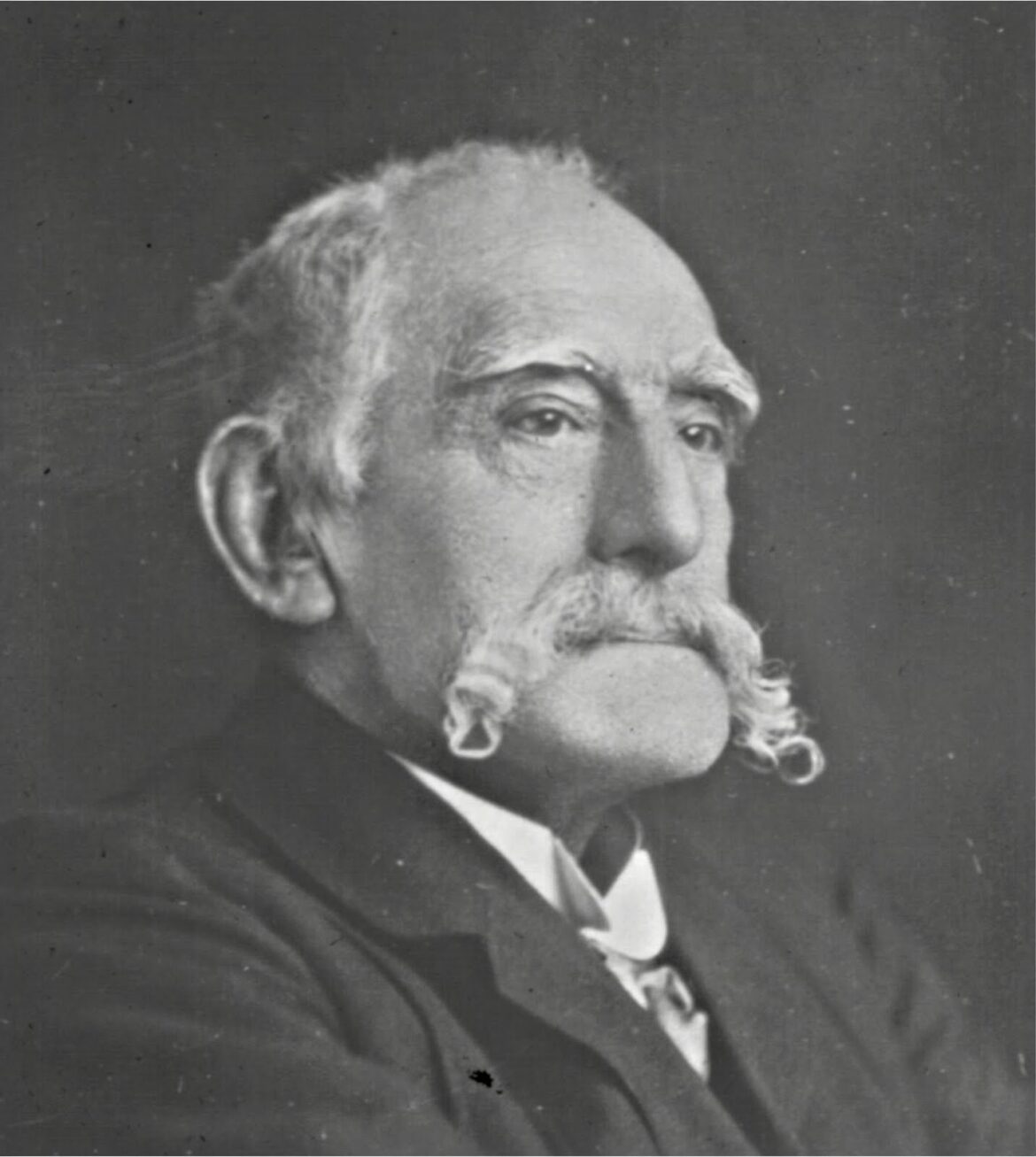
Introduction to Henry Wickham
Henry Wickham was a British botanist and plant collector whose work played a pivotal role in transforming the agricultural landscape of the tropics in the late 19th century. His most notable contribution was the introduction of rubber trees to the plantations of Southeast Asia, which had a transformative impact on the global economy and the industrial revolution.
The Life and Times of Henry Wickham
Born in 1846 in Kent, York, Wickham had an early interest in botany and plant cultivation. This passion propelled him to explore the Amazon rainforest in the late 1800s, where he collected seeds of the Pará rubber tree (Hevea brasiliensis). His journey proved hazardous but valuable as the rubber trade was rapidly gaining importance at that time due to the demand for rubber in the growing industrial sectors.
The Great Rubber Seed Heist
In 1876, Wickham embarked on a mission that would change the course of rubber production forever. Acting under the instruction of the British government and the Royal Botanic Gardens, he successfully smuggled over 70,000 seeds of the rubber tree back to Britain. The authorities recognised the strategic importance of rubber as an economic resource for the Empire. Wickham’s efforts were critical during a time when Brazil held a monopoly on rubber production.
Impact on Global Agriculture and Economy
Upon return, Wickham distributed these seeds throughout Asia, particularly in British colonies such as Malaysia and Indonesia. The successful planting of these trees led to the establishment of vast rubber plantations. By the early 20th century, Southeast Asia became the world’s leading producer of rubber, significantly affecting global trade and agriculture. The consequences were profound, altering economic trajectories and creating wealth for plantation owners while also leading to complex socio-economic issues within local communities.
Conclusion: Wickham’s Lasting Legacy
Henry Wickham’s contributions to rubber cultivation not only reshaped agricultural practices but also highlighted the intricate connections between botanical research and global economics. His legacy continues to inform modern discussions on sustainable agriculture and ecological impacts. In an era where environmental consciousness is key, Wickham’s story serves as a poignant reminder of the lasting effects of colonial enterprises on natural resources and local societies. As we evaluate the sustainability of current agricultural practices, it is essential to reflect on historical events like those instigated by Wickham, which have shaped our world in both positive and negative ways.