The Importance of Fuel Prices
Fuel prices play a crucial role in the economy, influencing transportation costs, consumer spending, and inflation rates. Recent fluctuations in fuel prices have sparked discussions and concerns among consumers and policymakers alike. As the world continues to recover from the pandemic and geopolitical tensions persist, the dynamics of fuel pricing are more relevant than ever.
Current Fuel Price Trends
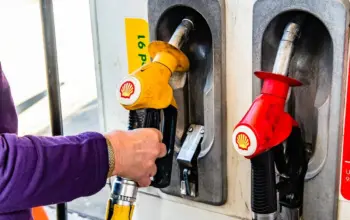
As of October 2023, fuel prices in the UK have seen a significant increase over the past few months. According to data from the UK’s Department for Business, Energy & Industrial Strategy (BEIS), the average price of petrol has risen to £1.65 per litre, while diesel has reached approximately £1.80 per litre. These hikes can be attributed to rising crude oil prices, which recently peaked due to supply chain issues and increased global demand.
Global Influences
Several factors are influencing fuel prices not only in the UK but also globally. Ongoing geopolitical tensions, particularly in oil-producing regions, have contributed to market uncertainties. The Organisation of the Petroleum Exporting Countries (OPEC) has also recently decided to cut production, which further exacerbates supply concerns. Additionally, the impact of the Russia-Ukraine conflict continues to play a significant role in the global oil market, creating ripples that affect prices worldwide.
Impact on Consumers and Industry
The rise in fuel prices is affecting everyday consumers and industries significantly. Transportation costs are soaring, leading to higher prices for goods and services. Taxi and delivery services are also feeling the strain, prompting some companies to reconsider their pricing structures to accommodate these changes. Families are adjusting their budgets as the cost of commuting and travel rises, putting additional financial pressure on households.
Government Response
In response to the rising fuel prices, the UK government has been urged to take action. Some proposals include temporary fuel duty cuts or financial assistance to help low-income families cope with the increasing costs. While there has been discussion, no definitive measures have been implemented yet.
Conclusion
As fuel prices continue to rise, both consumers and businesses are navigating the financial implications of these changes. The situation remains fluid, with various factors at play. Observers expect continued volatility in fuel prices, emphasizing the importance of staying informed about market trends and government actions. For consumers, understanding these trends can help in budgeting effectively as the economic landscape evolves.