Introduction
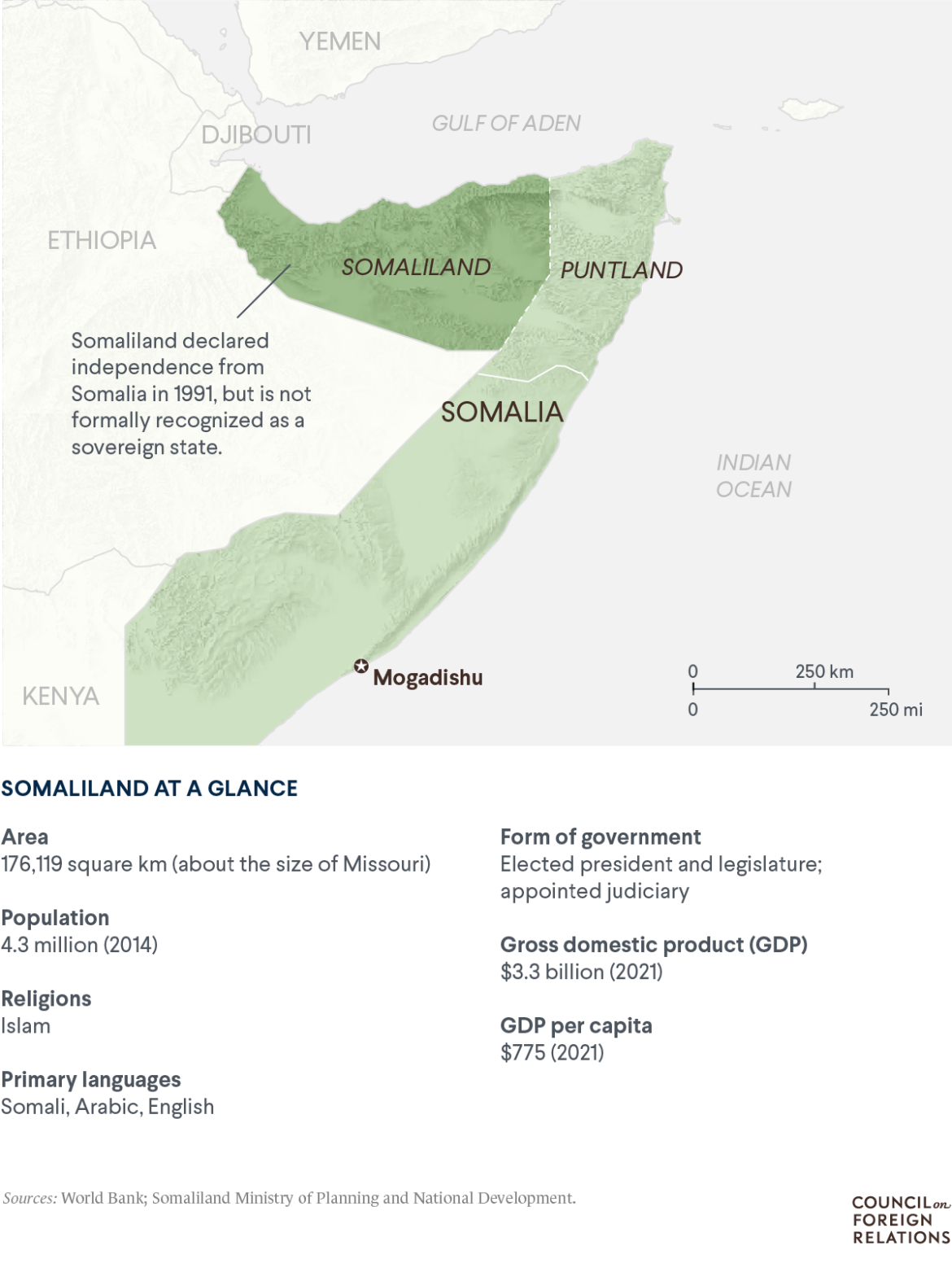
Somaliland, a self-declared republic that split from Somalia in 1991, stands out as a beacon of stability in a region plagued by conflict and humanitarian crises. Its unique political structure, a combination of traditional clan leadership and democratic governance, has allowed it to maintain relative peace and develop its institutions despite being unrecognised by the wider international community. Understanding the significance of Somaliland’s stability is crucial, as it offers insights into possible frameworks for peace and governance in similarly turbulent regions.
Historical Context
Somaliland declared independence from Somalia in the early 1990s after a brutal civil war that left much of Somalia in disarray. This break was primarily driven by years of oppressive rule and the aspirations for self-governance. Since then, Somaliland has forged its own path, establishing a parliamentary system, conducting regular elections, and fostering a sense of national identity.
Current Developments
In recent years, Somaliland has faced several challenges but has continued to demonstrate resilience. In 2021, the region held local elections that were widely praised for their transparency, marking a significant step for democratic governance. Additionally, the government has focused on developing infrastructure, promoting education, and enhancing economic opportunities—vital components for ensuring long-term stability. Despite ongoing economic challenges and the pressures from neighbouring Somalia, Somaliland’s commitment to peace continues to draw international attention.
International Relations
Somaliland’s struggle for international recognition remains a critical issue. Although it operates independently, its lack of formal recognition limits its access to foreign aid and international trade agreements. However, Somaliland has managed to establish unofficial relations with several countries, hosting diplomatic offices and participating in regional trade agreements. The focus on international partnerships has become more pronounced, especially as concerns grow regarding regional security threats, such as piracy and terrorism.
Conclusion
As Somaliland continues to navigate its path toward international recognition, the region’s experience offers valuable lessons about governance, resilience, and the pursuit of peace in complex environments. The ongoing political stability, economic initiatives, and commitment to democratic principles suggest that Somaliland could serve as a model for other regions emerging from conflict. Observers remain hopeful that increased global engagement will further enhance Somaliland’s development and stability, encouraging neighbouring regions to seek similar paths toward peace and self-governance.