Introduction
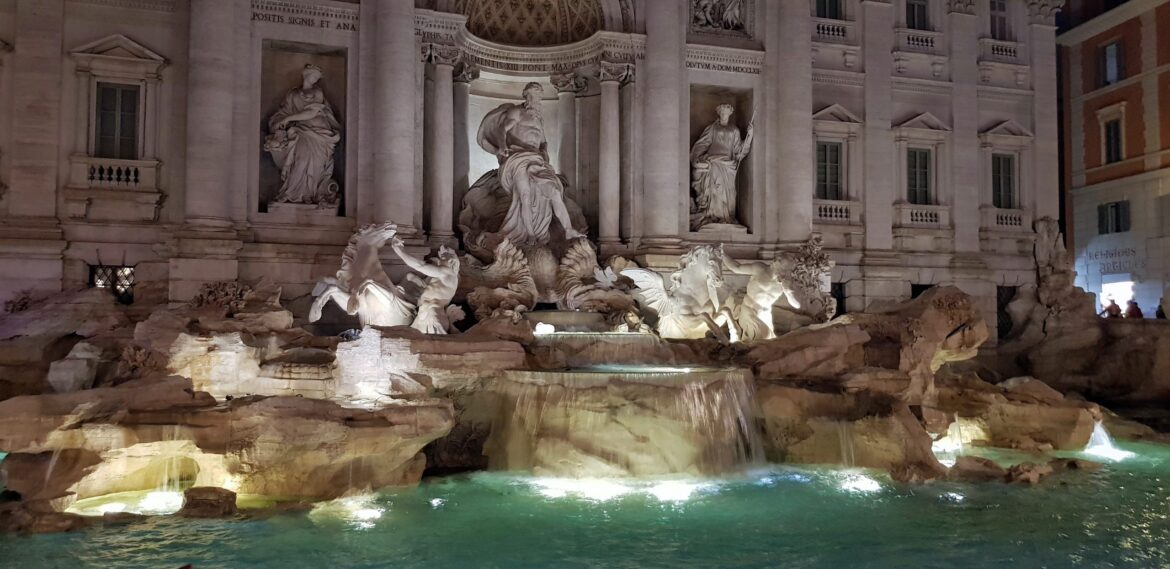
The Trevi Fountain, a magnificent Baroque masterpiece located in the heart of Rome, is one of the most famous fountains in the world. With its stunning sculptures and intricate design, it attracts millions of visitors each year. Its significance extends beyond mere aesthetics; it embodies the artistic heights of the Baroque period and serves as a critical cultural landmark for Italy. Recent restoration efforts have ensured that this iconic structure remains a highlight for tourists and locals alike.
Historical Background
The Trevi Fountain’s origin dates back to ancient Rome when it served as the terminus of the Aqua Virgo aqueduct, which supplied water to the city. The fountain was commissioned in 1732 by Pope Clement XII and completed in 1762, under the design of architect Nicola Salvi. The fountain depicts Oceanus, the god of the sea, flanked by statues representing abundance and health. Its grandeur makes it a quintessential example of the Baroque style that defined much of European art in the 17th and 18th centuries.
Recent Restoration Efforts
In recent years, the Trevi Fountain has undergone significant restoration work, with the latest project commencing in 2014 and concluding in 2015. The restoration, which cost approximately 2.2 million euros, was funded by the luxury Italian fashion brand Fendi. This project not only cleaned the fountain’s marble and repaired damage but also ensured the integrity of its intricate sculptures. The restoration has been hailed as a success, bringing the fountain back to its former glory and mitigating the effects of pollution and environmental wear.
Visitor Experience
Today, the Trevi Fountain continues to be a must-visit destination for tourists from around the globe. Visitors are encouraged to toss a coin into the fountain, a tradition believed to guarantee a return to Rome. Interestingly, an estimated €3,000 is collected each day, which is donated to charity, supporting local projects aimed at aiding the impoverished in Rome.
Conclusion
The Trevi Fountain is more than just a stunning visual feast; it is a complex symbol of Rome’s rich history, artistic prowess, and the community’s spirit. As restoration efforts continue to preserve such landmarks, it remains vital for future generations to enjoy the beauty and cultural relevance of the Trevi Fountain. With ongoing maintenance, we can ensure that this iconic treasure will continue to mesmerise visitors for centuries to come.