Introduction
The Nipah virus outbreak has emerged as a significant public health concern, particularly in the regions of South Asia. Known for its high mortality rate and potential for zoonotic transmission, the Nipah virus poses a serious threat to communities. Recent developments surrounding the outbreak have raised alarms and highlighted the urgent need for research and containment efforts.
Current Situation
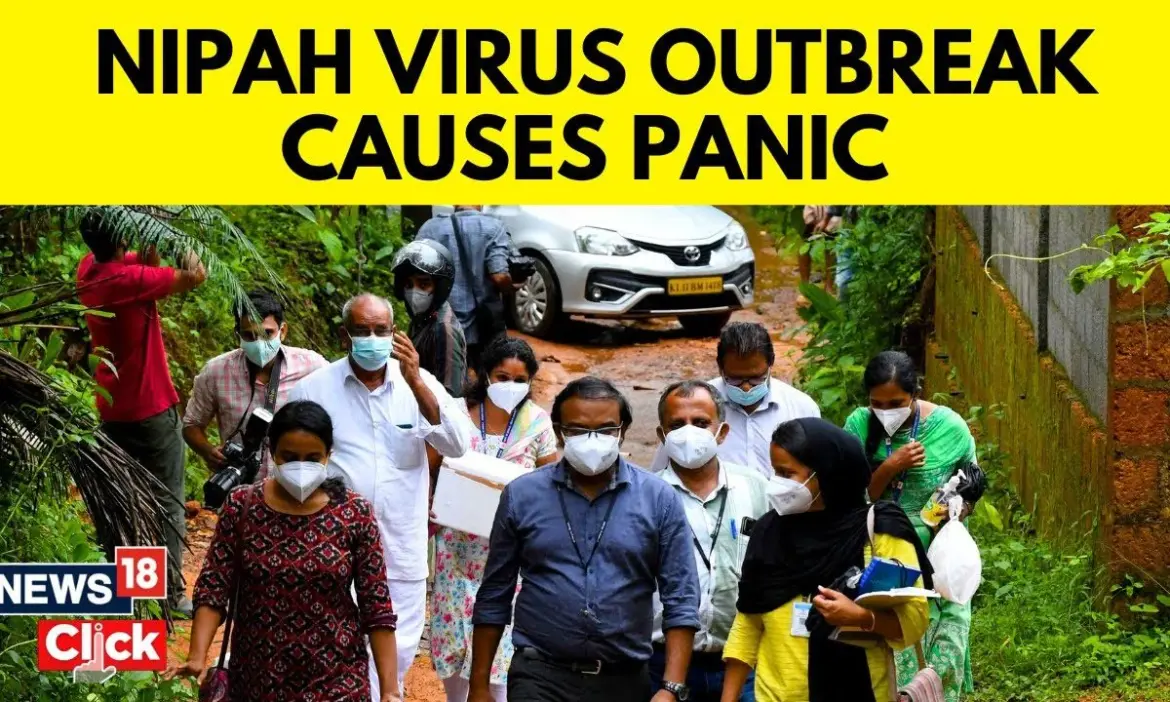
As of October 2023, a new outbreak of Nipah virus has been reported in the Indian state of Kerala. Authorities have confirmed several cases leading to two fatalities and a number of individuals under observation. Local health officials are conducting active surveillance to identify contacts of those infected and implementing preventive measures in affected areas.
Transmission and Symptoms
The Nipah virus is primarily transmitted from animals to humans, with fruit bats being identified as the natural hosts. Human-to-human transmission has also been recorded, mainly through close contact with infected individuals. Symptoms typically appear within 5 to 14 days and may include fever, headache, dizziness, and in severe cases, acute respiratory distress and encephalitis.
Government Response
In response to the outbreak, the Kerala government has initiated measures to curb the spread of the virus. This includes launching awareness campaigns, enhancing hospital preparedness, and restricting movement in high-risk areas. The Chief Minister has assured that the health department is fully equipped to handle the situation with ongoing research and collaboration with national health agencies.
Public Health Implications
The Nipah virus outbreak highlights the importance of robust public health systems and rapid response mechanisms. Health experts are urging individuals to remain vigilant, avoid contact with sick animals, and ensure good hygiene practices. Monitoring and research into the virus’s transmission pathways will be crucial in preventing future outbreaks.
Conclusion
The situation regarding the Nipah virus outbreak is evolving, and it remains vital for the public to stay informed about health advisories from local authorities. Ongoing efforts to manage and contain the outbreak are paramount to reducing the risk to communities. The collective response from health authorities and the public can greatly influence the trajectory of this outbreak, emphasizing the need for vigilance as new developments arise.