Introduction
Banjul, the capital city of The Gambia, serves as a vital economic and cultural centre for the country. Located on an island at the mouth of the Gambia River, Banjul is not only the administrative heart of The Gambia but also a confluence of rich history and vibrant culture. Understanding Banjul’s significance is essential for grasping the overall landscape of The Gambia.
Historical Context
Banjul was founded in 1816 as a British colony and has since evolved significantly. Originally named Bathurst, the city was established to serve as a base for the Royal Navy and to combat the illegal slave trade. The city was renamed Banjul in 1973, reflecting its local heritage and reinforcing national identity.
Current Developments
Recent years have seen substantial development activities in Banjul aimed at enhancing infrastructure and boosting tourism. The government, in collaboration with various international organisations, is investing in improving transportation systems, healthcare facilities, and educational institutions. Notable projects include the ongoing construction of a new ferry terminal to improve passenger and cargo transport across the Gambia River.
Additionally, Banjul’s economy is largely driven by trade, tourism, and fishing. The popular Albert Market is a bustling hub for locals and visitors alike, offering a diverse selection of goods and serving as a testament to the city’s vibrant economic activity.
Cultural Significance
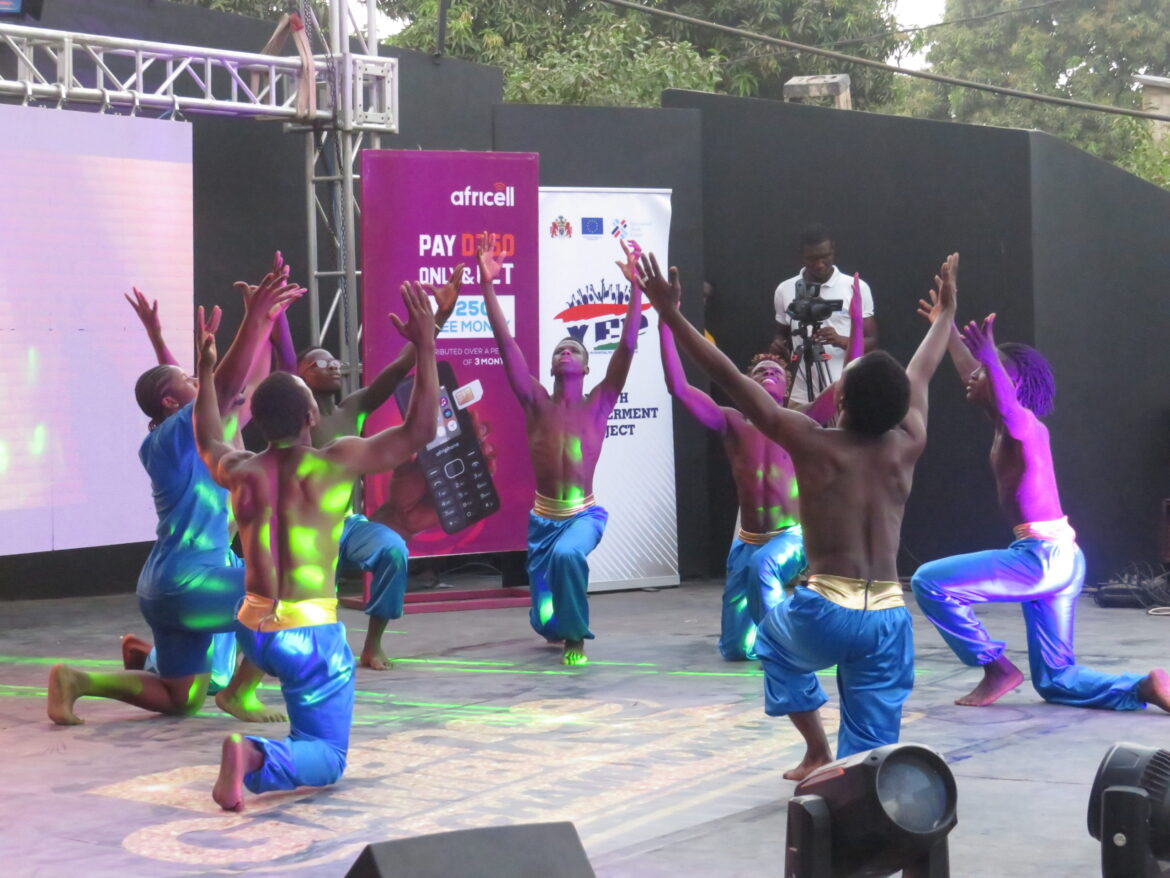
Banjul is renowned for its cultural offerings, with numerous festivals and events celebrating the local heritage. The Kankurang Festival, for instance, is a significant event that showcases traditional dance and masquerade, attracting many visitors each year. Furthermore, Banjul’s National Museum, which houses an extensive collection of artefacts, plays a crucial role in preserving and promoting Gambian culture.
Conclusion
In summary, Banjul is a city rich in history and culture, playing a central role in the socio-economic landscape of The Gambia. As it continues to develop, the city remains a pivotal location for understanding Gambian identity and heritage. With ongoing improvements and cultural activities, Banjul is poised to enhance its attractiveness as a destination for both tourists and investors, contributing positively to the overall growth of the nation.