Introduction
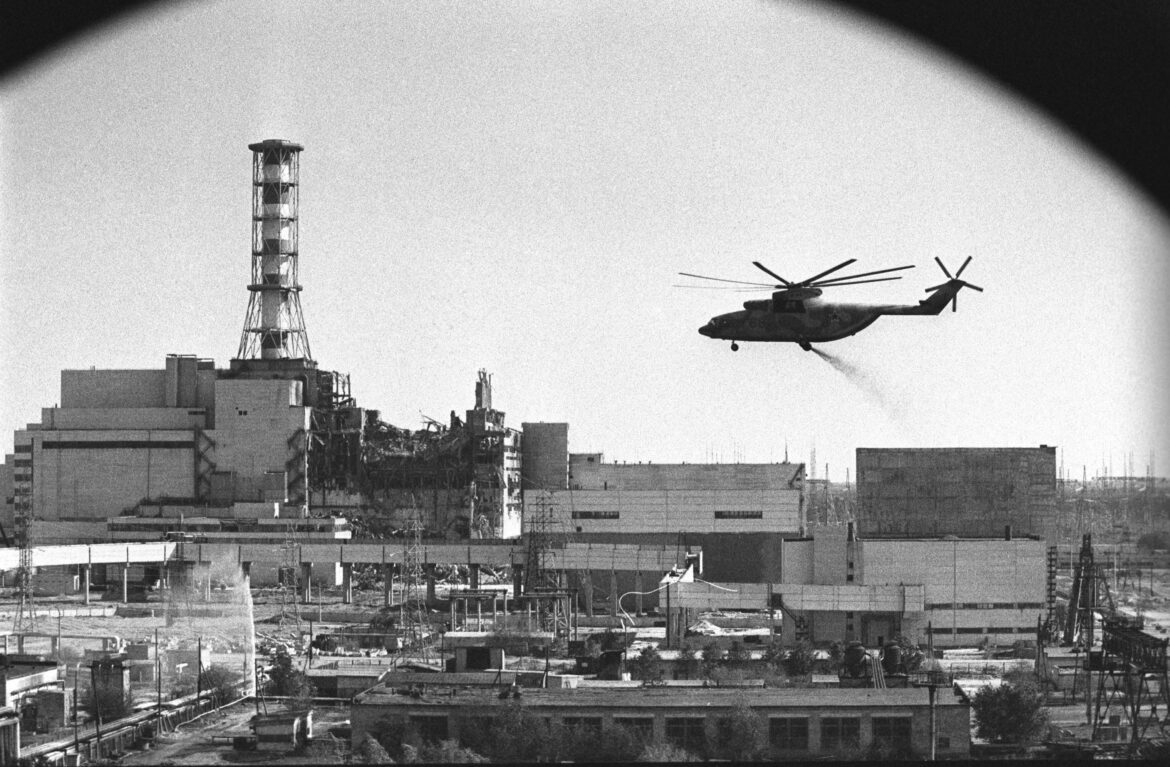
The Chornobyl disaster, which occurred on April 26, 1986, remains one of the worst nuclear accidents in history. Understanding its legacy is crucial, as it continues to have significant implications for nuclear safety, environmental health, and governmental policies around the globe. The incident not only reshaped public perception of nuclear energy but also highlighted the challenges of disaster management and long-term recovery in affected regions.
The Disaster Unfolds
On the night of the explosion at Reactor No. 4 of the Chornobyl Nuclear Power Plant in Soviet Ukraine, a routine safety test went catastrophically wrong. A combination of flawed reactor design and operator error led to an uncontrollable reaction, causing a catastrophic explosion. This released large quantities of radioactive particles into the atmosphere, which spread over much of Europe.
Immediate aftermath efforts included the evacuation of over 100,000 residents from the surrounding towns, mainly Pripyat, which was just a few miles away from the power plant. Despite the evacuation, many emergency responders and plant workers were exposed to high levels of radiation, leading to acute radiation sickness and long-term health problems.
Long-Term Impact
The fallout from the Chornobyl disaster has had lasting effects on the environment, including contamination of soil and water. The area around the plant, known as the Exclusion Zone, is still largely uninhabitable due to radiation levels. However, it has become a site of research on radiation’s health effects and has also attracted eco-tourism, with visitors curious about the remnants of the abandoned towns and the resilience of nature.
Health studies have shown an increase in thyroid cancer among those exposed to iodine-131 from the accident, especially in children. The long-term psychological and social effects on evacuees cannot be overlooked either, many of whom still face trauma related to the rapid loss of their homes and communities.
Conclusion
The Chornobyl disaster serves as a stark reminder of the potential perils associated with nuclear energy and the need for stringent safety measures. As discussions around nuclear power resurgence globally, lessons learned from Chornobyl are essential in shaping future policies and ensuring the safety of communities. Enhanced regulations, improved technology, and a commitment to clear communication will be vital in supporting the management of existing power plants and in the consideration of future nuclear projects. As we reflect on this tragedy, it is critical to maintain awareness and vigilance to prevent similar disasters in the future.