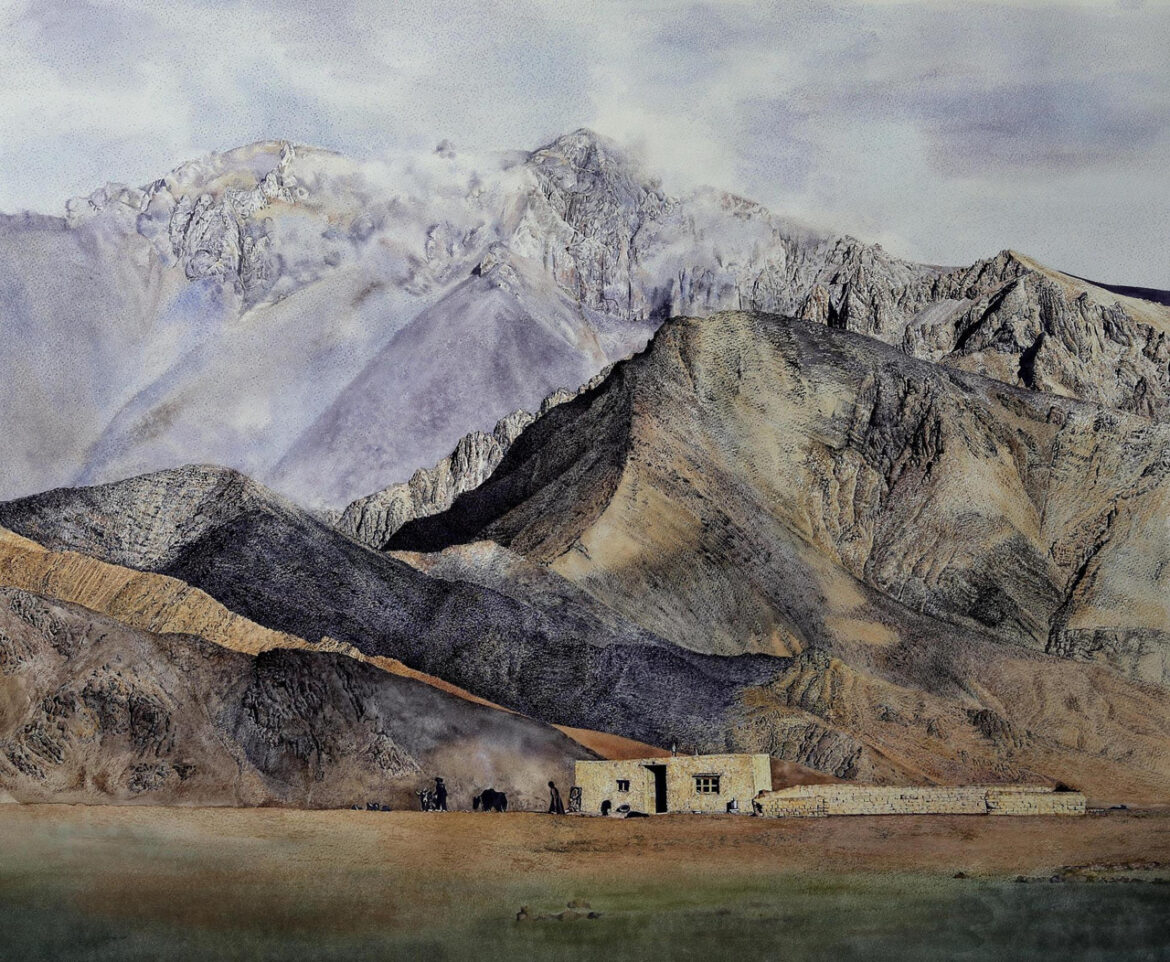
The Importance of Tibet
Tibet, often referred to as the ‘Roof of the World’, holds significant cultural, spiritual, and geographical importance. Situated in Central Asia, it is renowned for its stunning landscapes, unique cultural heritage, and historical significance. As an autonomous region of China, Tibet has been at the centre of geopolitical discussions, raising concerns over cultural preservation, human rights, and environmental sustainability.
Cultural Heritage
The cultural richness of Tibet is characterized by its Tibetan Buddhism which plays an integral role in the lives of its people. The traditional practices, festivals, and vibrant art forms reflect the deeply-rooted spirituality that guides Tibetan society. The Potala Palace, a UNESCO World Heritage Site, symbolizes Tibetan Buddhism’s glory and remains a pivotal pilgrimage site for many who follow the faith.
Current Challenges
In recent years, Tibet has faced numerous challenges. Reports indicate a growing concern over cultural assimilation policies implemented by the Chinese government, which some argue erode the Tibetan identity. Restrictions on religious practices and freedom of speech have also been highlighted by international human rights organizations. Protests and calls for autonomy have emerged from both within the region and by Tibetan expatriates across the globe.
The Environmental Impact
Moreover, environmental issues are critical in Tibet, often referred to as the water source of Asia due to its extensive glaciers and rivers. Climate change poses a significant threat, with rising temperatures resulting in glacial melting, which could impact water supply to millions downstream in countries like India and Bangladesh. There are ongoing efforts by environmental groups to advocate for sustainable practices to mitigate these effects.
Significance for the Global Community
Tibet’s unique position as a cultural and ecological centerpiece makes it a focal point for discussions on human rights, environmental conservation, and cultural heritage. As global awareness continues to grow, the need for dialogue surrounding Tibet’s autonomy and preservation of its identity becomes increasingly vital. In upcoming years, it is anticipated that international attention on Tibet will heighten, prompting calls for more protective measures for its culture and environment.
Conclusion
Tibet stands at a crossroads between its ancient traditions and the pressures of contemporary socio-political dynamics. The global community’s response and engagement with Tibet’s situation will play a crucial role in determining its future. Understanding Tibet is not merely an academic exercise; it is imperative for fostering respect for cultural diversity and human rights worldwide.